![Trump Canceled The Execution Livestream, But The White Lynching Culture That Made It Thinkable Is Still Alive [Op-Ed]](https://newsone.com/wp-content/uploads/sites/22/2026/10/17921727345582.jpg?quality=80&strip=all&w=1024&crop=0,0,100,789px#)




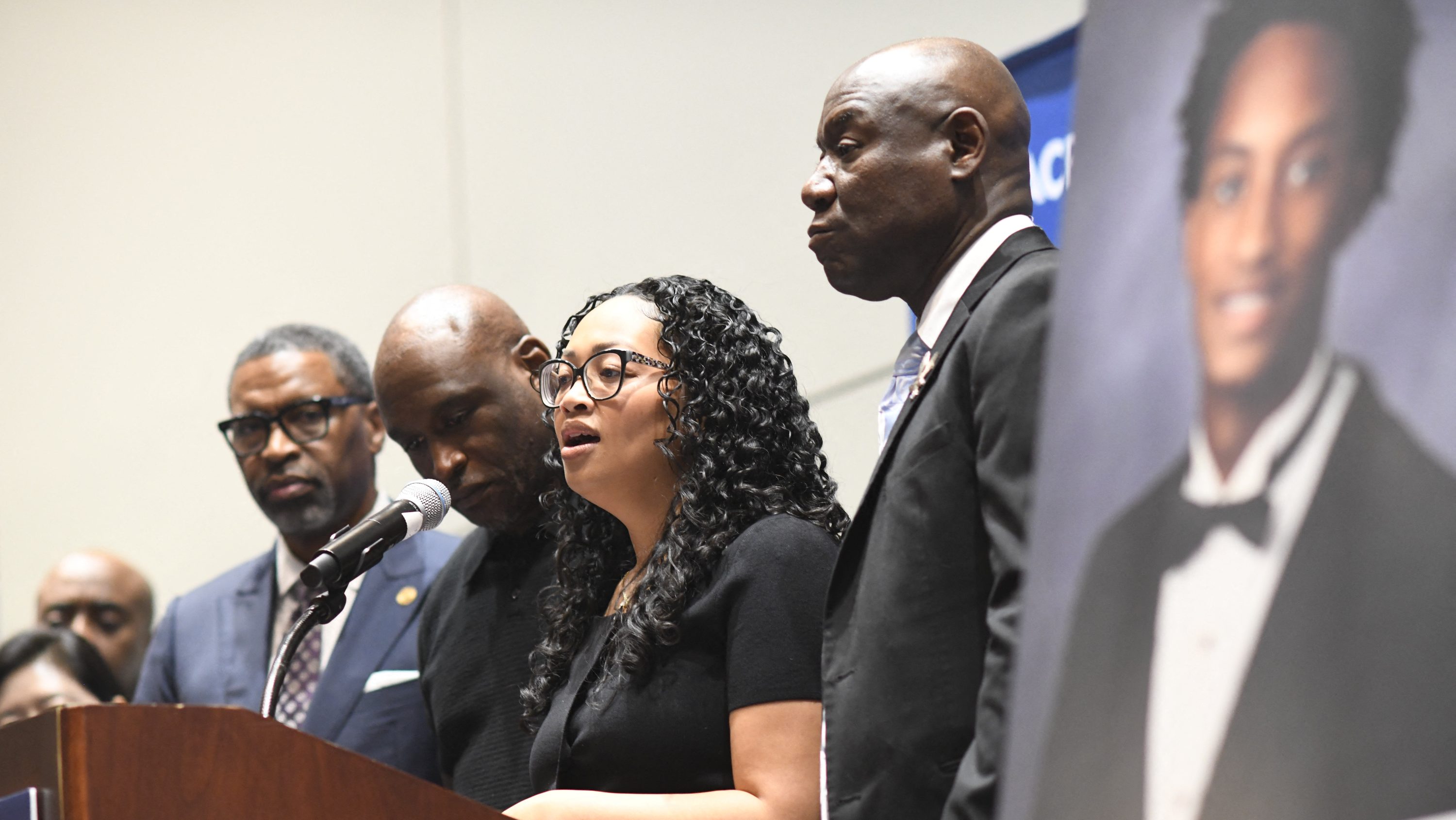











Young Black Men’s Suicide Rates Surpasses Young White Men’s For The 1st Time On Record



New data from the Centers for Disease Control and Prevention (CDC), obtained by Capital B News, reveals a troubling trend: suicide rates are rising rapidly within the Black community. According to the figures, Black Americans experienced a 53% increase in suicide deaths between 2014 and 2024, a rate of growth more than ten times faster than that of white Americans and more than double the increase seen among Latino and Native American populations.
Particularly alarming is the impact on Black boys and young men. Black males between the ages of 16 and 29 are now dying by suicide at higher rates than their white counterparts. While white men remain nearly twice as likely to die by suicide across all age groups, the disparity shifts dramatically among younger populations. The crisis reaches its peak among Black men ages 20 to 24, whose suicide death rate stands at 31.9 per 100,000 people, the highest of any age group.
Mental health professionals say these numbers reflect a growing crisis fueled by unresolved trauma, social pressures, and insufficient mental health support. Brandon Jones, a mental health professional who works with young Black men, said the numbers reflect an accumulation of unresolved pain in individuals searching for answers, help, and guidance, most likely for the first time.
“We’ve had these key political situations and social pushes that have affected us as a collective,” Jones told Capital B News in an interview published June 15. “Young Black people are feeling a trauma response that is leading to people wondering, ‘Do I want to keep living in a world that is treating me [poorly] in this situation?’”
Jones added that awareness of mental health has grown significantly, but the tools to respond to that awareness have not kept pace. When Black Americans do seek help, they are disproportionately more likely to receive care through emergency departments rather than from mental health professionals who are equipped to provide personalized, ongoing support. To make matters even worse, a lack of affordable healthcare can make accessing the right mental health provider challenging.
Geographic Trends Reveal Access Challenges
While more than one in four Black men who died by suicide in 2024 lived in Georgia, Texas, or Florida, the highest suicide rates among Black men were concentrated in smaller states with relatively smaller Black populations, the CDC’s latest data noted.
States such as Utah, Kansas, Colorado, and Oregon reported some of the highest death rates. Experts noted that these regions often have fewer culturally competent mental health providers, making it more difficult for Black residents to access care that understands and addresses their unique lived experiences.
Historical Challenges and Persistent Disparities
The Black community has long faced unique and ongoing challenges, including systemic racism, economic inequality, intergenerational trauma, and cultural expectations that often encourage individuals to “stay strong” regardless of emotional hardship. These factors have collectively contributed to mental health struggles that frequently go unaddressed.
For generations, many Black Americans have been conditioned to suppress emotional pain and persevere through adversity without seeking help. While resilience has often been celebrated as a survival mechanism, the cost of carrying unresolved trauma has become increasingly evident.
As previously reported, data from the 2021 National Survey on Drug Use and Health (NSDUH) highlighted a significant treatment gap. Although 21% of Black Americans reported experiencing a mental health condition, only 39% received treatment. By comparison, 52% of non-Hispanic White Americans who experienced mental health concerns received care.
Gender disparities also reveal important nuances. In 2021, the suicide rate among Black males was more than four times higher than that of Black females. Yet among high school students, Black female students were nearly twice as likely to attempt suicide as their male peers in 2023, signaling different mental health challenges that require targeted interventions.
The Role of Social Media and Digital Exposure
Jones believes social media may also be contributing to worsening mental health outcomes among young Black men. Platforms that connect young people and provide access to conversations about therapy, mental health, and trauma can also expose them to a constant stream of distressing content. Young users are often inundated with videos of police violence, war, social unrest, and highly curated portrayals of success and happiness. For some, these messages can reinforce feelings of inadequacy, isolation, or hopelessness.
Jones explained that the same platforms that normalize mental health discussions can also deepen emotional distress when users lack the support systems needed to process what they see.
“If you don’t have the language or support to process that, it can start to feel like there’s no place for you here,” he said.
A Trend Years in the Making
The current crisis did not emerge overnight.
CDC data shows that after increasing steadily between 2000 and 2018, age-adjusted suicide rates among non-Hispanic White Americans declined from 18.1 deaths per 100,000 people in 2018 to 16.9 in 2020. During the same period, suicide rates among Black and Hispanic populations continued to rise, reaching 7.8 and 7.5 deaths per 100,000 people, respectively, by 2020.
Notably, Between 2011 and 2021, suicide among Black Americans increased by 58%, becoming the third leading cause of death for Black youth ages 15 to 24 in 2020. The trend persisted in 2022, when suicide remained the third leading cause of death among Black children, adolescents, and young adults ages 10 to 24, according to the Office of Minority Health.
Firearm-related suicides followed a similar pattern. While firearm suicide rates among white Americans declined between 2018 and 2020, rates among Black and Hispanic populations continued to increase.
These trends flag something critical — longstanding disparities in mental health care access, economic opportunity, and the lack of safe community support systems may be contributing to worsening outcomes among communities of color. In order to stop suicides rates from climbing among Black men and the Black community as a whole, action is needed now more than ever.
Breaking the Stigma and Expanding Access to Care

Addressing this crisis requires both cultural and systemic change. One of the most important steps is normalizing conversations about mental health within the Black community. Mental health challenges are often burdened by stigma and misconceptions that frame emotional vulnerability as weakness rather than a normal part of the human experience. Open discussions about anxiety, depression, grief, and trauma can help dismantle these barriers and encourage individuals to seek support before reaching a crisis point.
Creating safe, affirming spaces within families, friend groups, schools, churches, and community organizations can play a powerful role in improving mental health outcomes. Checking in on loved ones, sharing personal experiences, and encouraging honest conversations can help reduce isolation and foster connection.
Equally important is expanding access to affordable and culturally competent mental health care. Many Black individuals report feeling misunderstood or dismissed by providers who lack cultural awareness or fail to recognize how racism and systemic inequities affect mental health. Increasing the visibility and availability of Black therapists, counselors, and wellness practitioners can help build trust and improve treatment outcomes.
Organizations such as Therapy for Black Girls, Black Men Heal, and the Boris L. Henson Foundation have emerged as important resources, helping connect individuals with culturally relevant support and reducing barriers to care.
SEE MORE:
‘Wellness In Black Life’ Panel Focuses On Black Men’s Health
The Color Of Health: Changing The Narrative Around Mental Health In The Black Community
What's Your Reaction?
 Like
0
Like
0
 Dislike
0
Dislike
0
 Love
0
Love
0
 Funny
0
Funny
0
 Angry
0
Angry
0
 Sad
0
Sad
0
 Wow
0
Wow
0