












FDA Egg Recall: See If You’ve Been Exposed To Salmonella

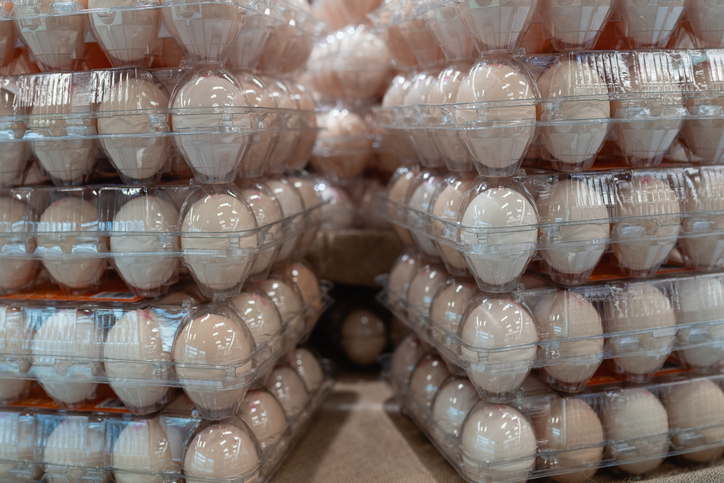
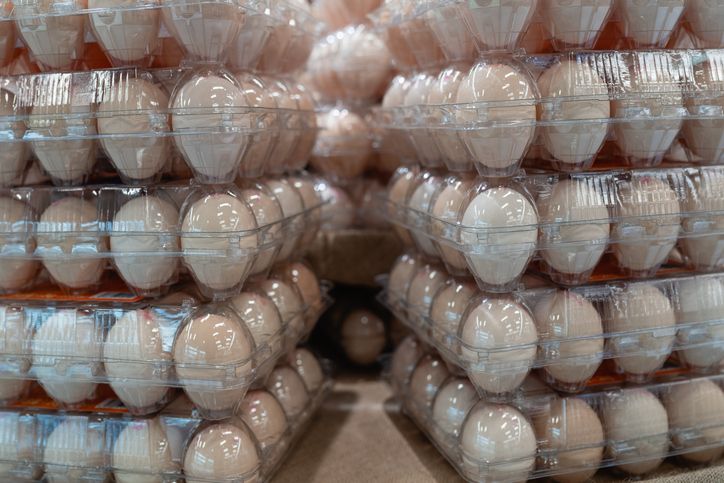
A recall affecting nearly 1.6 million cartons of eggs has been assigned to the United States Food and Drug Administration’s most serious risk category.
The recall was initiated due to concerns about potential Salmonella Enteritidis contamination. On Wednesday, the FDA categorized this as a “class 1,” which is “a situation in which there is a reasonable probability that the use of or exposure to a violative product will cause serious adverse health consequences or death.”
The new class 1 designation was included in the agency’s enforcement report for the existing recall.
The FDA explained that it often categorizes a recall well after the initiating firm announces it; therefore, it should not necessarily be viewed “as an expansion or change” to the firm’s initial recall.
The FDA said, “Firms often initiate voluntary recalls and provide public statements or notifications as part of their commitment to protecting consumers, which may occur well before the FDA completes its classification process and subsequently posts to this report.”
Midwest Poultry Services of North Manchester, Indiana, first initiated its egg recall in july announcing that over 1.5 million white and brown cage-free eggs were potentially contaminated with the Salmonella enteritidis bacterium. These eggs were produced between June 6 and July 3 of this year, with the latest sell-by date as August 17, 2026.
The eggs were produced in Texas but shipped to multiple locations through the South and Southwest, including food service retail outlets in Arkansas, Louisiana, New Mexico, and Mississippi.
The egg products that have been recalled are listed in Wednesday’s enforcement report. Midwest Poultry Service previously urged consumers not to eat eggs and to return them to the place of purchase for a refund.
As of late july no illnesses have been reported in connection with the recalled eggs.
Here’s what you should know about Salmonella infection
According to the CDC, symptoms begin to show anywhere between six hours and six days after swallowing the bacteria. Stomach cramps, vomiting, fever, and diarrhea are common.
Those who believe they were infected are urged to go to a healthcare provider, especially if they are among the most vulnerable groups or if symptoms worsen to include: bloody diarrhea or diarrhea that lasts for more than 2 days, a fever over 102 degrees, frequent vomiting that prevents ingestion of liquids, and any sign of dehydration.
More severe illnesses linked to Salmonella include arterial infections, infection in the heart, and arthritis.
SEE ALSO:
Cyclospora: Could Deadlier Foodborne Illnesses Follow?
FDA Says Taylor Farms Lettuce Was A False Positive For Cyclospora
Everything You Need To Know About The Cyclospora Outbreak
RFK Jr. Says Cyclospora Outbreak Is ‘Under Control’ Lol, Sure Dog
Taylor Farms Supplied The Lettuce Taco Bell Is Getting Blamed For
Taylor Fresh Foods Recalls Jalapeño Products Due To Salmonella Concerns
What's Your Reaction?
 Like
0
Like
0
 Dislike
0
Dislike
0
 Love
0
Love
0
 Funny
0
Funny
0
 Angry
0
Angry
0
 Sad
0
Sad
0
 Wow
0
Wow
0