







Trump Kills Biden-Era SAVE Program. What Will This Mean For HBCUs?


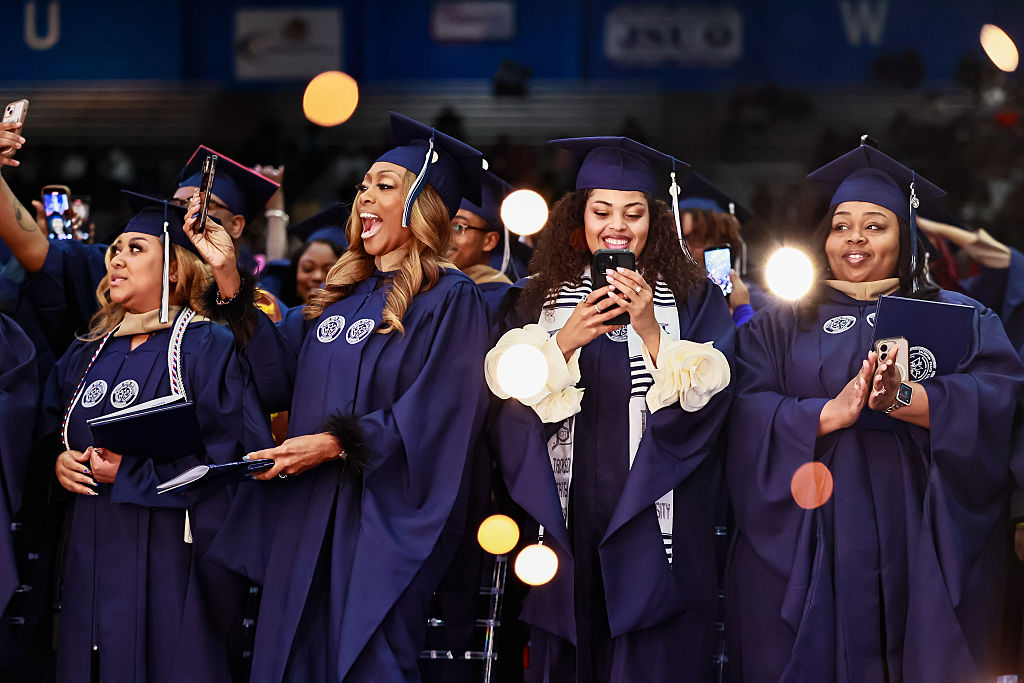
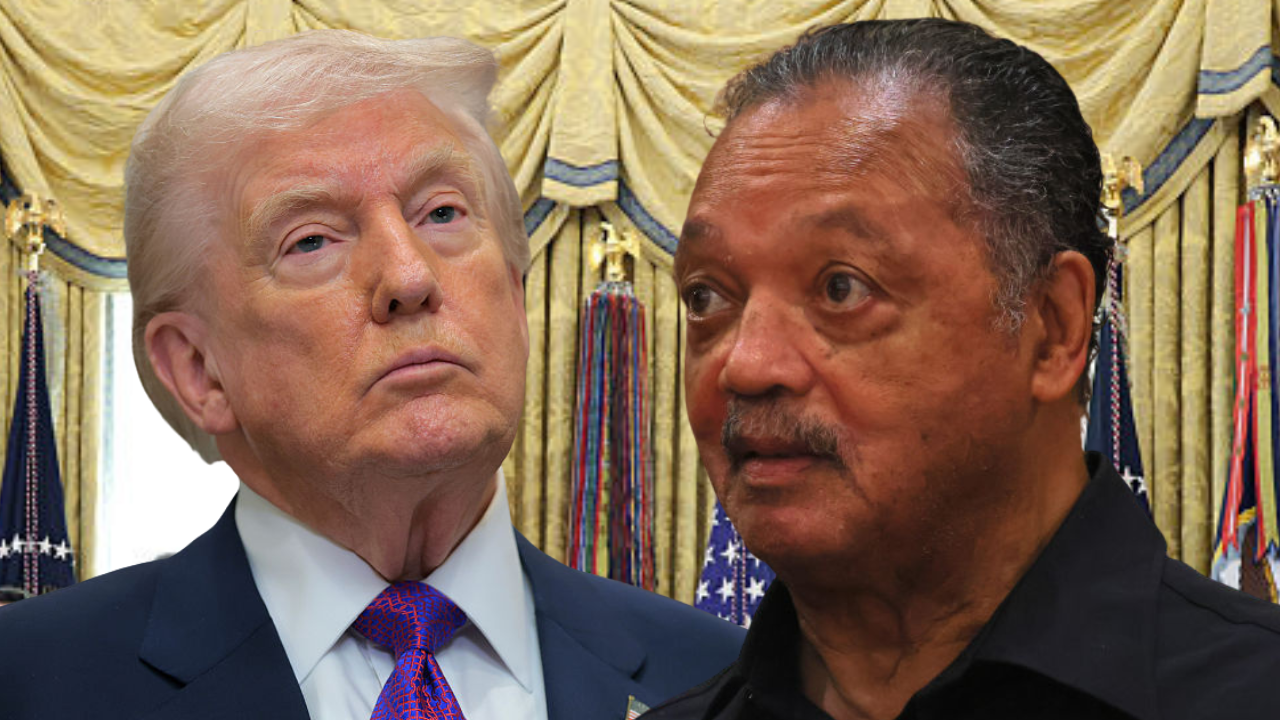
Former President Joe Biden’s signature student loan repayment plan is officially dead.
With little fanfare, the Trump administration announced this week that it would end the SAVE program, eliminating a critical source of relief for millions of borrowers whose balances were finally stabilizing after years of compounding interest. In the coming months, officials are also expected to start imposing new caps on federal student loans, beginning as early as July. Taken together, these moves reshape who can afford college at all—and who will be punished long after they leave it.
Seen together, these moves form a closed economic circuit: restrict access to higher education on the front end, then tighten the vise on those already inside the system. The result is not efficiency or savings, but enforced scarcity that will fall hardest on Black borrowers who borrow more, earn less after graduation, and repay longer.
In this framework, debt once again is the policy muscle of a racist administration and a tool of social control. The Trump administration calls these changes “reform.” But in reality, they amount to economic warfare carried out by narrowing the future while pretending it’s about the law.
For HBCUs, this is not a technical policy dispute. It is a direct threat to their students, enrollment pipelines, and long-term viability.
SAVE mattered because it finally acknowledged a truth HBCUs have always lived with: Higher education for Black students is overwhelmingly financed through debt. HBCU students borrow more than their peers, not because they are reckless, but because they come from families systematically denied generational wealth. SAVE lowered monthly repayments, sometimes to zero, and stopped balances from ballooning due to compounding interest. For many HBCU graduates, it was the difference between a manageable future and lifelong financial punishment.
Now that protection is gone.
At the same time, capping federal student loans shrinks the number of students who can realistically enroll. For HBCUs, where federal aid is not supplemental but foundational, borrowing limits are not abstract numbers. They determine whether students enroll full-time, attend part-time while working multiple jobs, stop mid-semester, or never make it through the door.
Enrollment is the first fault line.
When students cannot borrow enough to cover tuition, housing, and basic living costs, attrition follows. Fewer first-year enrollments turn into fewer sophomores, fewer graduates, and less tuition revenue for institutions that already operate with smaller endowments and narrower margins than predominantly white colleges and universities. Financial instability compounds, not because HBCUs are mismanaged, but because they are expected to function without the structural support afforded to other institutions.
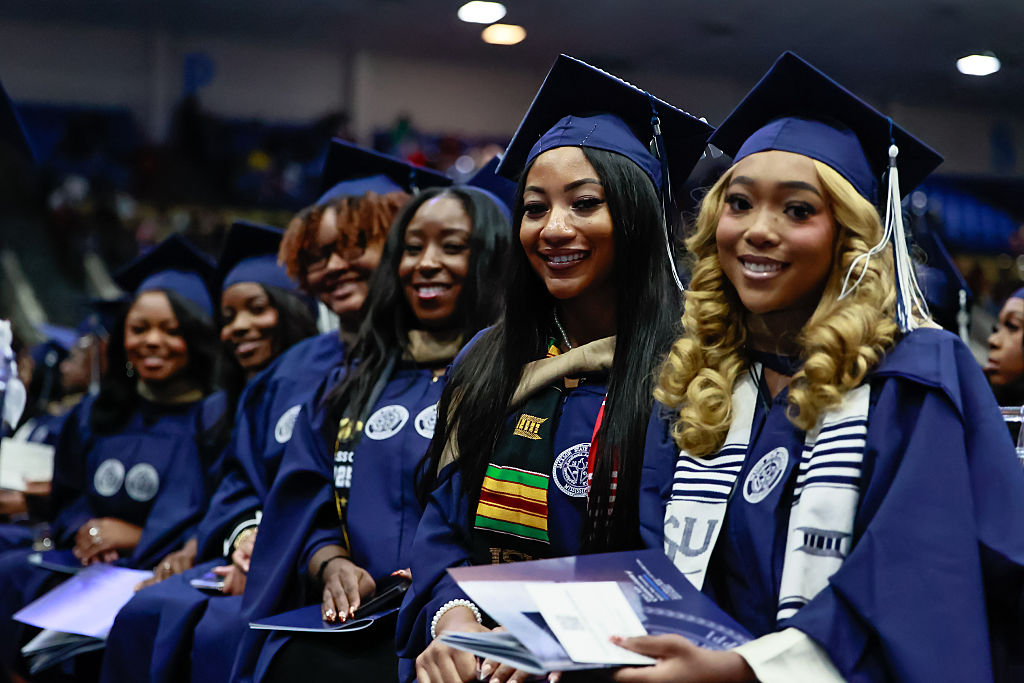
Then comes the second blow: the weaponization of outcomes.
HBCU graduates already leave school with higher average debt loads and wage penalties rooted in labor-market racism rather than skill or performance. When repayment protections like SAVE disappear, default risk rises, not because graduates are irresponsible, but because the math no longer works. Those defaults are then used to discredit the institutions themselves. Loan repayment statistics become talking points. Debt burdens become evidence. The narrative flips from “systemic underfunding” to “institutional failure.”
It’s an old trick. Starve institutions, then blame them for the consequences of starvation.
This pressure reshapes recruitment, too. Families considering HBCUs are now forced to weigh not just educational quality, but long-term financial punishment. Without SAVE, college looks less like an opportunity and more like a gamble, one whose downside is borne entirely by the student. Fear suppresses aspiration long before applications are submitted, and that fear operates unevenly.
Wealthier families can absorb risk. They can co-sign, pay down balances, or intervene if things go wrong. Black families systematically denied wealth do not have that cushion. When the state withdraws repayment protections, the message is unmistakable: if you fall, you fall alone. That message quietly but effectively narrows the pipeline into higher education itself.
Debt policy also functions as institutional discipline.
As repayment becomes harsher and enrollment riskier, HBCUs face increased pressure from policymakers and funders to demonstrate “responsibility.” Too often, that word means retreating from the mission. Workforce pipelines are rewarded over liberal education. Compliance is incentivized over critique. Silence becomes a survival strategy. Debt policy thus doesn’t just discipline students, it disciplines institutions that have historically produced Black journalists, teachers, scholars, lawyers, and organizers.
And this is where the strategy reveals itself most clearly.
Trump does not have to attack HBCUs outright to weaken them. He doesn’t have to defund them in headline-grabbing ways or publicly challenge their legitimacy. He can economically starve them by dismantling the conditions that allow their students to enroll, persist, and survive after graduation. It’s quieter than direct assault, and far more effective.
When loan caps shrink access, fewer students get through the door. When SAVE disappears, graduates are punished for having entered at all. The institution is never named, but it absorbs the damage anyway. Enrollment slips. Stop-outs rise. Defaults increase. Outcomes look worse on paper. Media narratives harden. Funders hesitate. Accreditors circle. And eventually, someone declares the institution “failed,” as if gravity were an accident.

This is structural sabotage, not blunt force.
It follows a familiar American playbook: don’t make Black institutions illegal, just make them unaffordable. Don’t ban them, just make them unsustainable. Don’t attack them directly, just attack the people who rely on them, then blame the institution for serving those people in the first place. Because the harm is indirect, outrage is harder to mobilize. There’s no single villainous act to point to. Just policy tweaks, legal language, and budget math that conceal the cruelty behind the process.
Bureaucracy is the weapon. Economic pressure does the work that open hostility once did out loud.
At a deeper level, this is about power. HBCUs remain dangerous not because of what they cost, but because of what they produce: Black intellectual infrastructure. They cultivate people trained to interrogate history, media, law, policy, and economics through lenses that challenge white dominance. Shrinking access to education while punishing survivability after graduation is an indirect way to weaken that ecosystem without ever admitting intent.
Student debt, after all, governs more than finances. It dictates who can take risks, who can leave abusive jobs, who can organize, strike, relocate, buy homes, start families, or say no. When debt becomes unmanageable, compliance becomes survival. That reality matters not just for borrowers, but for the institutions that educate them.
The Trump administration will frame the dismantling of SAVE as a matter of legality, fiscal discipline, or reform. But for HBCUs, the meaning is unmistakable. This is economic warfare waged through policy design rather than overt attack. It narrows futures while pretending to balance budgets.
What makes this moment especially dangerous is how quietly it’s unfolding. There is no declaration against HBCUs. No ban. No announcement of closures. Just a steady erosion of access, affordability, and protection until survival itself becomes the fight.
Right now, HBCUs don’t have the luxury of pretending this is a temporary policy wobble. They have to act as if the federal landscape they’ve relied on will remain hostile and design responses accordingly, without surrendering their mission or dignity.
What follows is not a list of fixes for a problem HBCUs created. It is a set of defensive strategies against a policy regime designed to exhaust them.
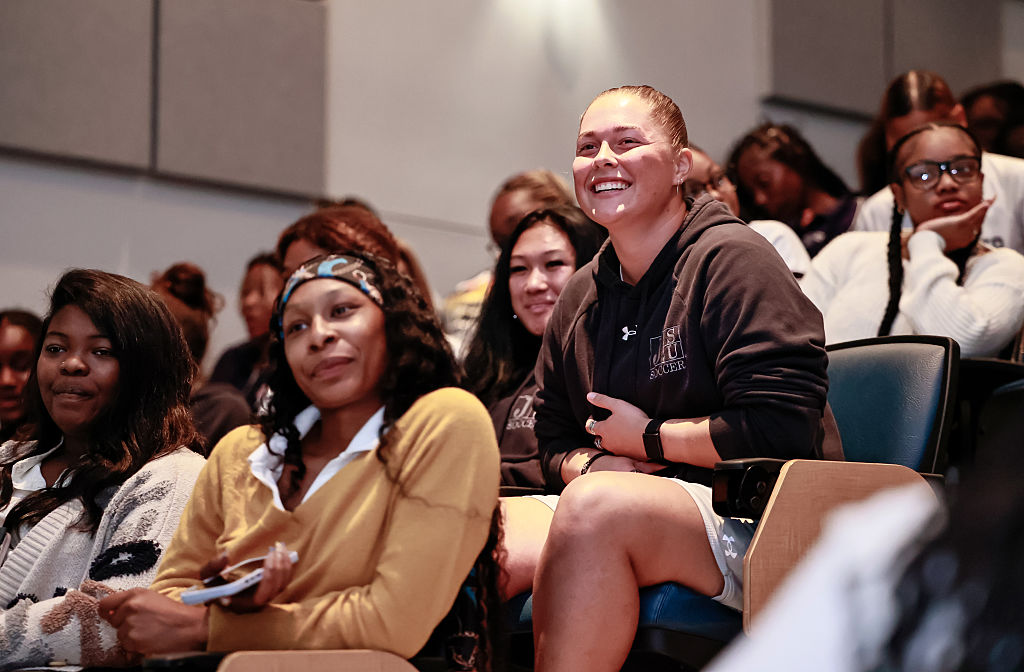
First, HBCUs need to clearly and publicly name what is happening. Silence will be misread as consent. These institutions cannot afford to talk about “student loan changes” in neutral language while their enrollment pipelines are being constricted and their graduates are being set up for longer-term financial punishment. Presidents, boards, alumni associations, and faculty leaders have to frame this as an access crisis and an institutional survival issue, not merely an individual borrower problem. If the story becomes “HBCUs struggle with outcomes,” rather than “HBCUs are being economically boxed in,” the narrative war is already lost.
Second, HBCUs need to treat enrollment and retention as both political and logistical priorities. That means redoubling efforts to keep students enrolled once they arrive, not through exhaustion or moral appeals, but through structural support. Emergency microgrants, flexible payment plans, stop-out reentry pathways, and aggressive financial counseling must become core infrastructure, not side programs. Every student retained is not just a tuition line; it’s resistance to a policy design that depends on attrition.
Third, institutions need to build aggressive coalitions rather than operate in isolation. HBCUs should not be fighting this as individual campuses. State systems, national HBCU associations, civil rights organizations, labor groups, borrower advocacy groups, and legal organizations must be aligned, publicly and repeatedly. Fragmentation is precisely what makes this kind of economic warfare effective. Collective action changes the political math, even if it doesn’t yield immediate reversals.
Fourth, HBCUs must challenge outcome-based narratives before they harden. Loan default rates, repayment timelines, and earnings statistics are about to be used more aggressively as measures of institutional worth. HBCUs cannot allow those numbers to circulate without context. They need to proactively publish data that shows structural inequities in borrowing, labor-market discrimination, and underfunding, and insist that policymakers and accreditors engage honestly with causation, not just correlation. Otherwise, the blame will be misplaced by design.
Fifth, alumni engagement has to shift from symbolic pride to material protection. This moment calls for alumni to fund scholarships, emergency aid, fellowships, and retention funds, not just buildings, homecoming weekends, or branding. Alumni who made it out before the debt leash tightened need to understand themselves as part of the defense infrastructure now. Intergenerational support is how institutions survive prolonged political hostility.
Sixth, HBCUs need to protect their intellectual mission, even under pressure to “be practical.” As debt tightens, funders and legislators will push HBCUs to narrow their offerings, emphasize immediate workforce pipelines, and deemphasize journalism, history, political science, philosophy, ethnic studies, and other humanities majors. That would be a strategic mistake. The very thing this policy regime is trying to weaken is Black intellectual production. Preserving it is not indulgence, it’s the point.
Finally, HBCUs must think long-term, not just semester-to-semester. Economic starvation works by forcing institutions into reactive survival mode until they lose the ability to imagine future-oriented strategy. Planning for hostile federal policy means diversifying revenue streams where possible, strengthening endowments ethically, expanding philanthropic partnerships without compromising the mission, and demanding more aggressive state-level investment. It also means preparing students honestly for the financial terrain they’re entering, without discouraging them or lying.
What HBCUs need most right now is not panic, but clarity. They are not failing. They are being tested by design. The institutions that survive will be the ones that refuse to internalize policy violence as institutional inadequacy, and instead organize, narrate, and protect themselves accordingly.
This moment is not just about SAVE or loan caps. It’s about deciding whether Black educational infrastructure will be quietly starved into compliance, or defended with all the seriousness owed to these institutions that have always done more with less, and are now being punished for it.
Dr. Stacey Patton is an award-winning journalist and author of “Spare The Kids: Why Whupping Children Won’t Save Black America” and the forthcoming “Strung Up: The Lynching of Black Children In Jim Crow America.” Read her Substack here.
SEE ALSO:
‘Big Beautiful Bill’ Is An Attack On Black Education
Kirsten West Savali And Dr. Stacey Patton Define The Purpose Of The Bison ONE Newsroom
What's Your Reaction?
 Like
0
Like
0
 Dislike
0
Dislike
0
 Love
0
Love
0
 Funny
0
Funny
0
 Angry
0
Angry
0
 Sad
0
Sad
0
 Wow
0
Wow
0