






Timeline: The History Of The Montgomery Bus Boycott

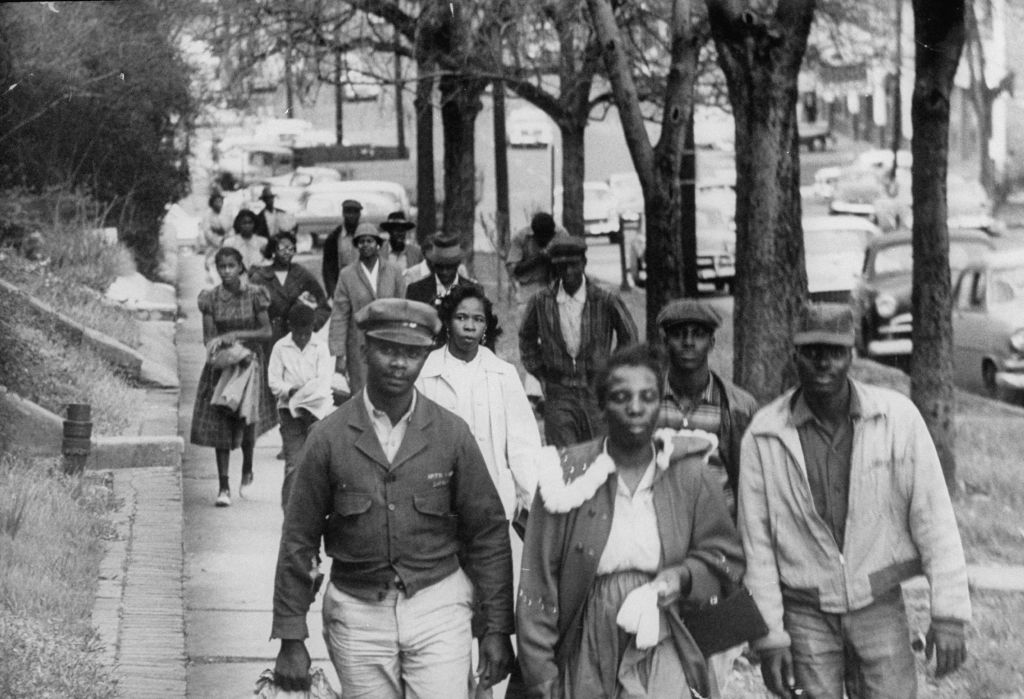

Dec. 5, 1955, marks the anniversary of the Montgomery Bus Boycott, one of the most pivotal moments in the American Civil Rights Movement. It demonstrated how collective action, strategic planning, and unwavering courage can transform a nation. What began as a local protest against racial injustice soon evolved into a 13-month struggle that gained international attention, propelled new leaders into the national spotlight, and established nonviolent mass protest as a defining tool in the fight for equality. The following timeline traces the key events that shaped the boycott from its earliest roots to its lasting legacy.
RELATED: The Real Story Behind Rosa Parks’ Bus Ride And What’s Often Overlooked
1946 – The Women’s Political Council begins work to dismantle segregation on buses.
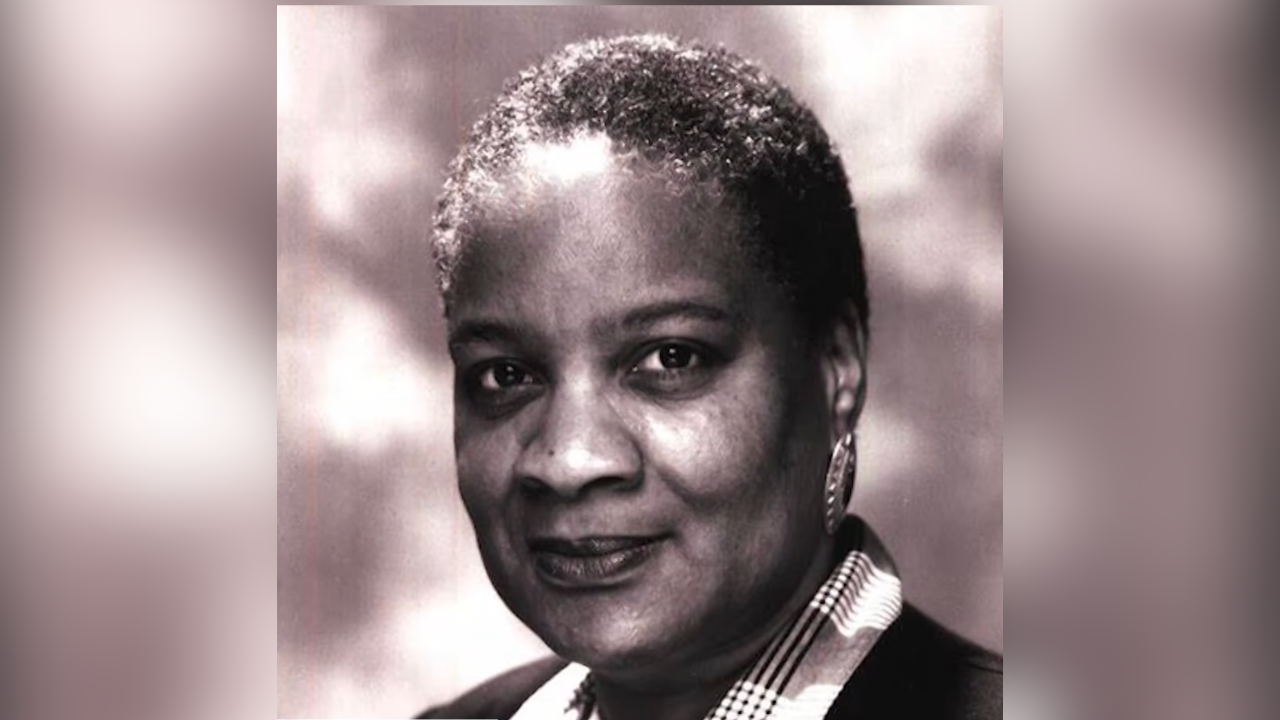
According to Stanford University, the groundwork for the Montgomery Bus Boycott started long before Rosa Parks refused to give up her seat. In 1946, the Women’s Political Council (WPC), a group of Black professionals, began focusing on discrimination on Montgomery’s bus system. Their activism intensified by March 1954, when members met with Mayor W. A. Gayle and demanded changes such as an end to forcing Black riders to stand over empty seats, the elimination of the practice requiring them to pay at the front and re-enter from the rear, and equal stopping patterns in Black neighborhoods. When no changes followed, WPC president Jo Ann Robinson restated these concerns in a letter sent on May 21, 1954, warning, “There has been talk from twenty-five or more local organizations of planning a city-wide boycott of buses.”
What's Your Reaction?
 Like
0
Like
0
 Dislike
0
Dislike
0
 Love
0
Love
0
 Funny
0
Funny
0
 Angry
0
Angry
0
 Sad
0
Sad
0
 Wow
0
Wow
0