





The Loudest Voices Are Wrong About The Protect College Sports Act [Op-Ed]

![The Loudest Voices Are Wrong About The Protect College Sports Act [Op-Ed]](https://newsone.com/wp-content/uploads/sites/22/2026/09/17900997412319.jpg?quality=80&strip=all&w=1024&crop=0,0,100,683px#)

Having a platform to speak out is cool, but it’s meaningless if your actions contradict your words.
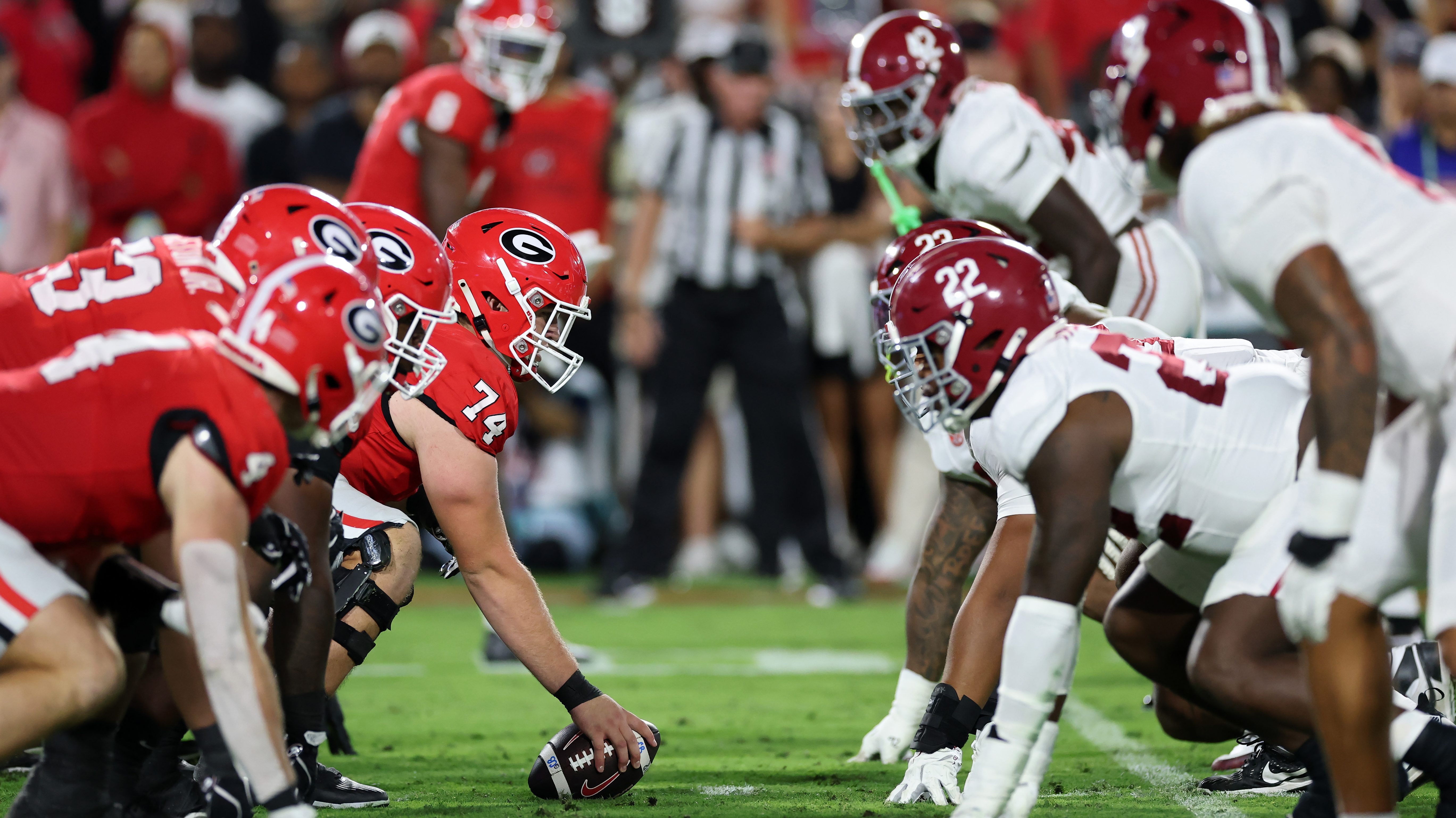
As they so often do, politics and sports have intersected at a moment when college athletics are on the precipice of change, as bipartisan legislation nears becoming law. The “Protect College Sports Act” is a bill that attempts to regulate, set rules, and stabilize the wild world of college sports, which has only gotten crazier in the Name, Image, Likeness (NIL) era. However, for all the positives in the proposed legislation, there are jarring negatives that cannot be ignored.
For instance, the same “student-athletes” who drive revenue-generating sports for their schools will not be allowed to form unions, and their earnings will also be capped. At its core, the legislation isn’t just anti-capitalistic; it’s anti-American. The irony is that the bill would limit how much money college athletes can make at a time in which the leader of our current administration is rewriting the books on capitalism.
And who supports this?
Deion Sanders.
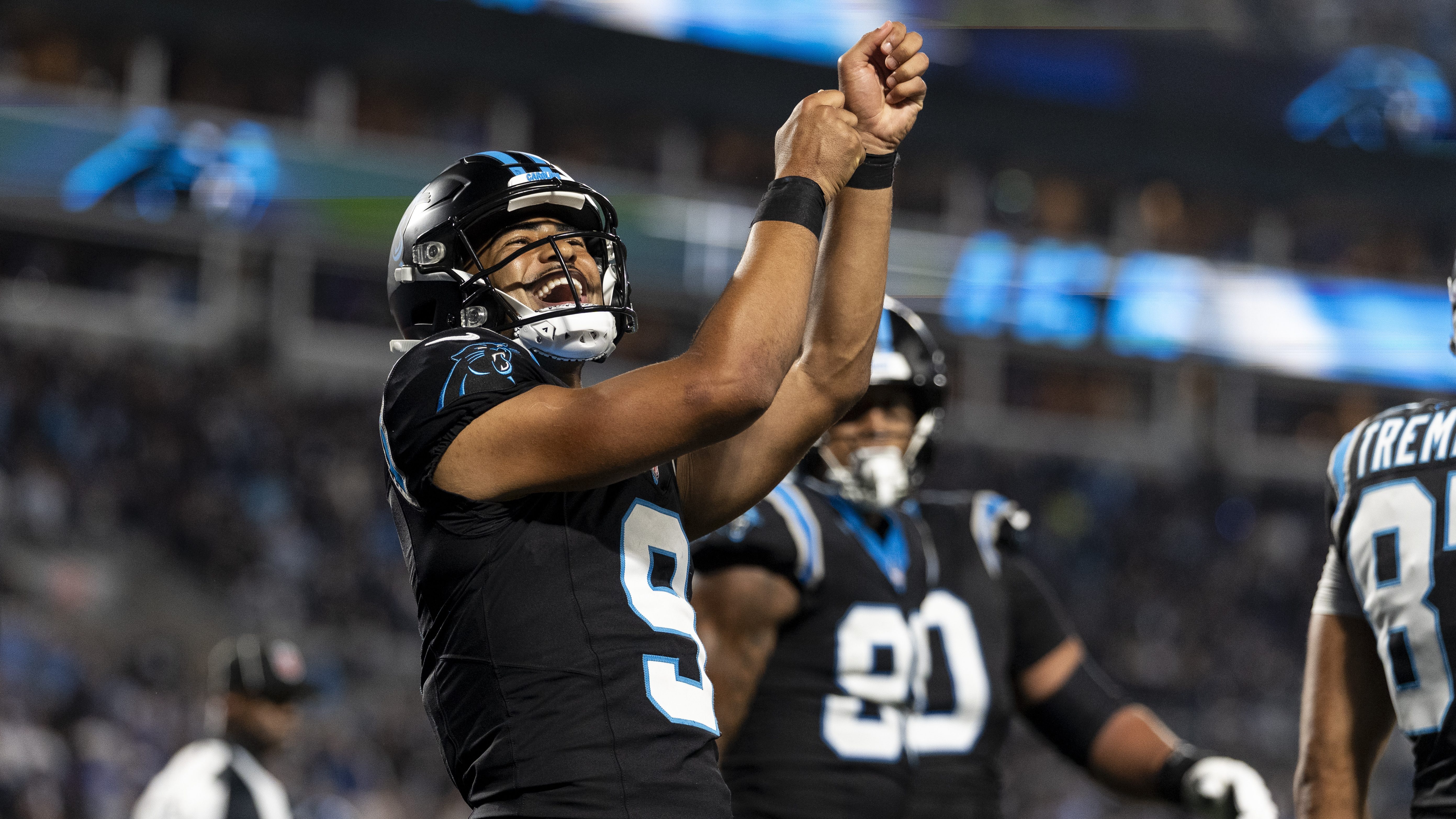
Yes, the man who once made a song titled “Must Be The Money,” and who has a son who is currently on trial for bankruptcy, has suddenly sided with those who want to limit how much young Black athletes can potentially make — but only after his other son, Shedeur Sanders, has already concluded his college career.
“As a coach and father, I’m helping the next generation find their spotlight. That’s why I support the Protect College Sports Act,” Sanders claimed in a video he recently filmed endorsing the bill. However, when asked about the clip, Sanders said, “I shot it, and that was it. I haven’t thought about it since,” again demonstrating a lack of concern for the consequences of his actions.
The discussion surrounding the “Protect College Sports Act” has intensified in recent weeks, particularly when ESPN gave Republican Senator Ted Cruz, a co-sponsor of the bill, almost 10 minutes on “College GameDay” to advocate for its passage. The network chose not to have a student-athlete on set to offer an agreeing or opposing opinion, similar to how this administration has repeatedly and purposely kept college athletes out of these discussions during Trump’s second term.
“There are serious consequences to what ESPN chose to do,” sports commentator Bomani Jones explained on a recent episode of his podcast. “What they did was flatly wrong, and it is possible that it will contribute to limiting the ability of players to cash in, their chance to cash in in this life. I think those are pretty dire consequences, and I think that there should be a pretty loud uproar about that.”
“The players have so little leverage and ability to speak for themselves in this case,” he added. “As is always the case when it comes to these matters, there is no place where the players get to sit down and be taken seriously when it’s time to talk about this. It just doesn’t happen.”
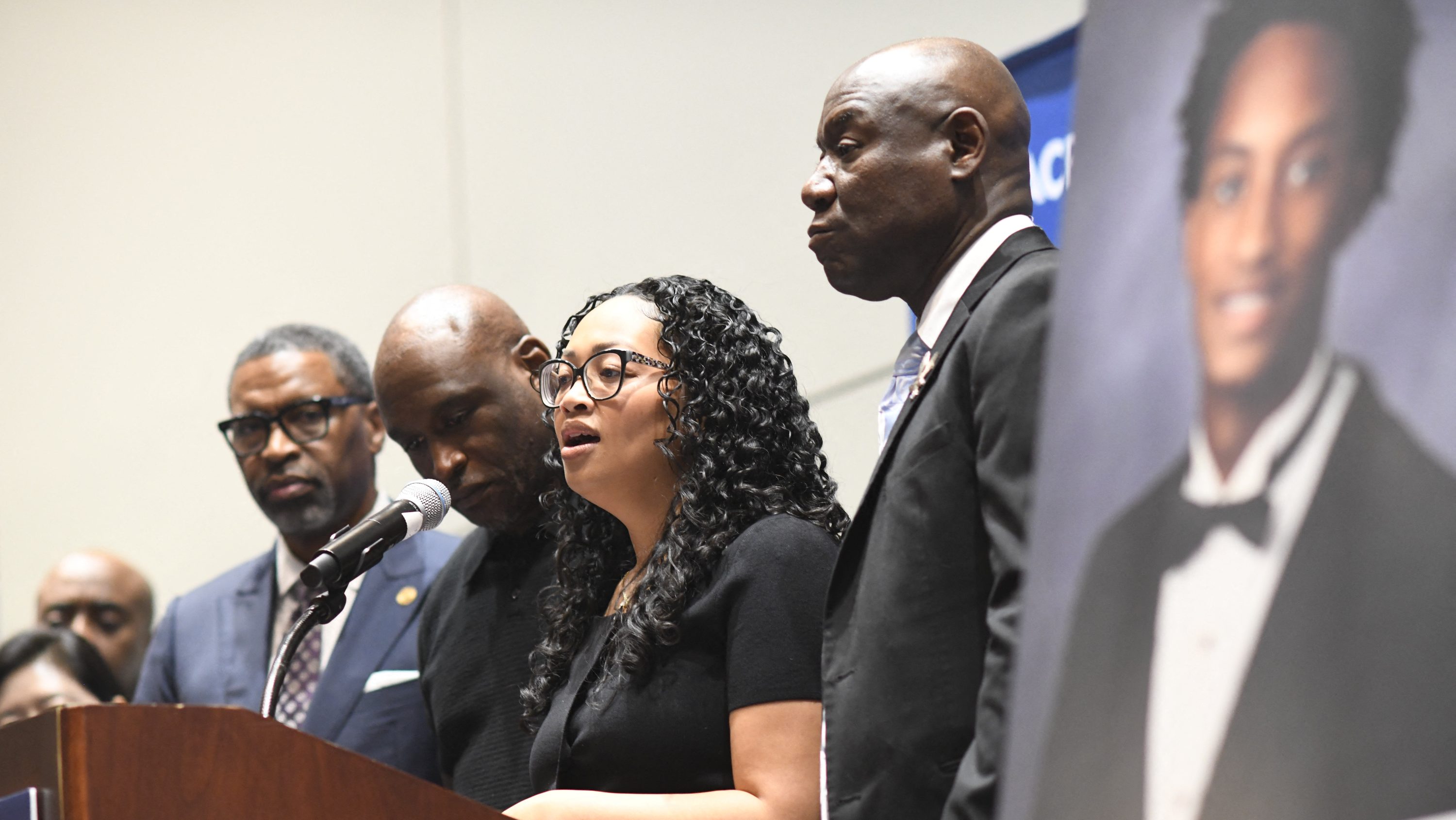
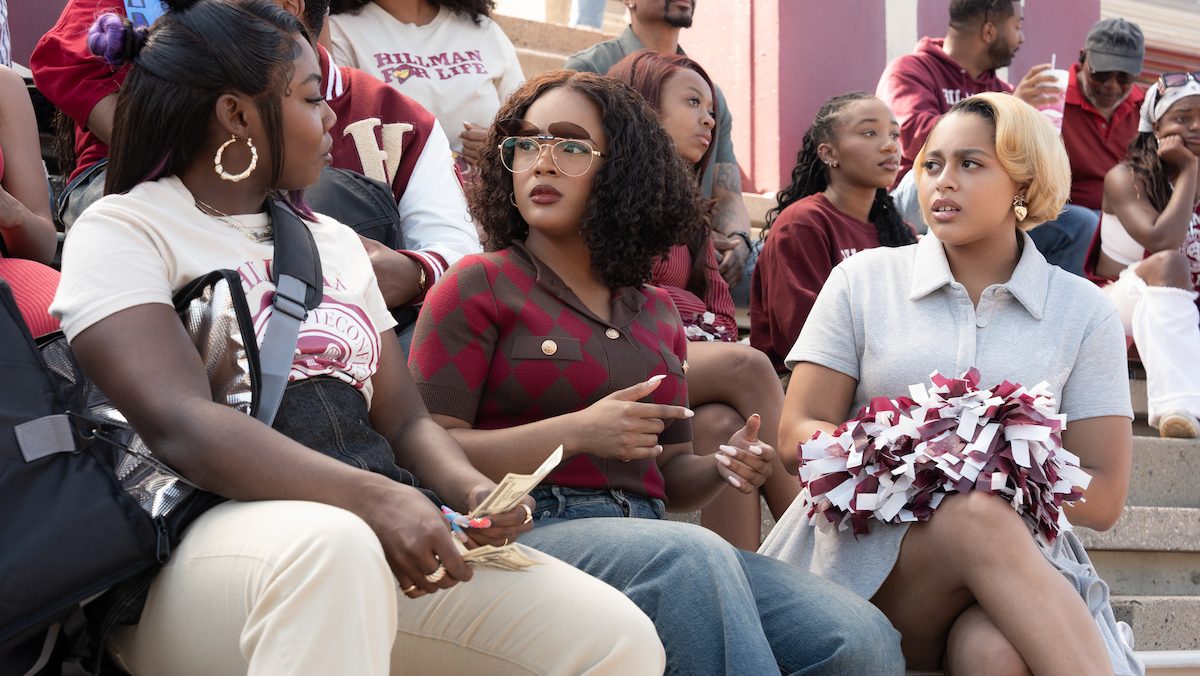
In the days that followed, supporters of the bill conveniently trotted out an HBCU student-athlete who was in favor of the legislation to speak at a press conference, while NAACP President & CEO Derrick Johnson was featured on ESPN’s “SportsCenter” to give a retort to Cruz’s appearance, stating, “You have coaches that have been doing this for decades now, and unfortunately, the players did not have the same rights. Now that players have rights, they’re saying it’s unstable,” said Johnson, referring to the alleged “chaos” in college sports.
Neither Cruz, Johnson, nor Sanders possess the qualifications to be among the loudest voices in this debate, as their positions either serve their interests or underscore their unfitness to address the issue, regardless of their opinions. Just a few months ago, Johnson was calling for an ill-advised boycott of SEC and ACC sports and programs due to them being located in states that are attacking voting rights. Without having any real plan for how the boycott would work for Black student-athletes and fans, the boycott never took shape, as the “movement” has already hit a wall.
The situation surrounding the Protect College Sports Act reveals a paradox. We now see that bipartisan legislation can happen in our current political climate when elected officials want to collaborate. Unfortunately, this collaboration is focused on issues that will disadvantage current and future student-athletes — particularly Black ones — who are/will become constituents.
Recently, Sen. Cory Booker took to the floor to oppose a bill that seems likely to become law. He stated, “It is doing all kinds of things to stop players from earning money, putting bureaucracy between them and the possibilities,” he explained.
“But it does nothing to affect coaches. So, in other words, it’s treating college athletes like a different class. Meanwhile, coaches’ salaries-often, in most states, the highest-paid people in their state governments are the basketball or the football coach. Their salaries continue to skyrocket, with close to 15 coaches right now having almost a quarter of a billion-dollar buyouts for their contracts. And yet, we’re moving at rocket speed where most of the members of this haven’t gotten the final bill yet.”
As a Black United States Senator who played college football at Stanford before the NIL era, Booker is a qualified candidate to speak on the issue. His background and qualifications give him a credibility that a football coach like Deion Sanders or an organizational leader like Derrick Johnson don’t have.
Remember, being Black doesn’t automatically make someone culturally qualified to speak on certain subjects. Having a permanent invitation to “The Cookout” may provide access, but it doesn’t guarantee you a place on the stage or at the microphone.
Carron J. Phillips is an award-winning journalist who writes on race, culture, social issues, politics, and sports. He hails from Saginaw, Michigan, and is a graduate of Morehouse College and Syracuse University. Follow his Substack to keep up with more of his work.
SEE ALSO:
Must Be The Money: The Real Issue With The Protect College Sports Act [Op-Ed]
Buffalo Bills Decision To Erase OJ Simpson Is Understandable
What's Your Reaction?
 Like
0
Like
0
 Dislike
0
Dislike
0
 Love
0
Love
0
 Funny
0
Funny
0
 Angry
0
Angry
0
 Sad
0
Sad
0
 Wow
0
Wow
0
![Trump Didn’t Win The Nobel Peace Prize, So He’s Helping Smear The Woman Who Did [Op-Ed]](https://newsone.com/wp-content/uploads/sites/22/2026/10/17915758433969.jpg?quality=80&strip=all&w=1024&crop=0,0,100,683px#)