





Mike Wise meant every word

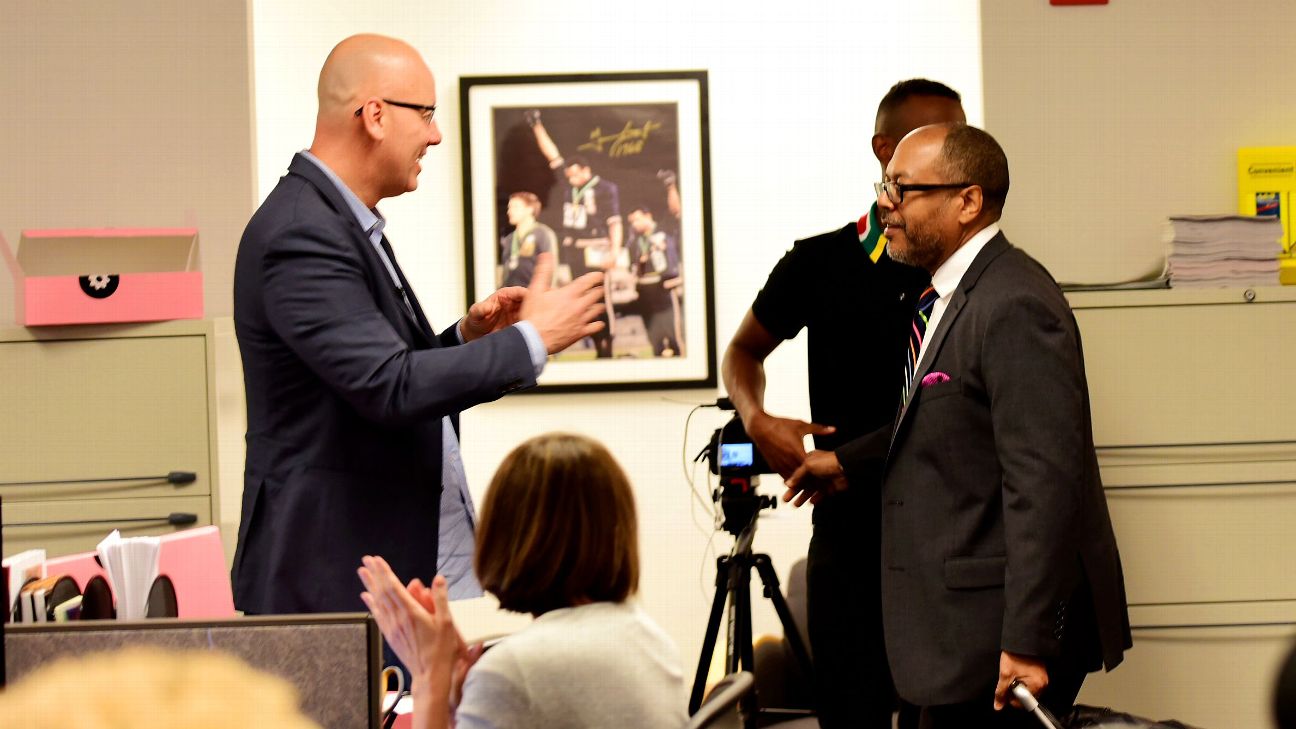
Waking up Wednesday morning, I heard the news about my friend and former colleague Mike Wise. I didn’t contact anyone in sports first. It was my friend — really, a brother — Trevon.
One of our core life memories involved Mike.
Trevon was shocked. Hearing about death and heartbreak these days isn’t uncommon. In the last week alone, our world has mourned the passings of Dan Hicks, the soundtrack to so many iconic Sundays on golf courses, and Fred Mitchell, the Chicago Tribune’s first Black sportswriter. And now Mike.
Naturally, Tre’s first thoughts, like mine, went to his wife and kids and how the rest of their lives have already begun. And how suddenly tragedy so often strikes — especially for a guy who had an emotional post on Veterans’ Day just last week, and on a video featuring my son a week before that.
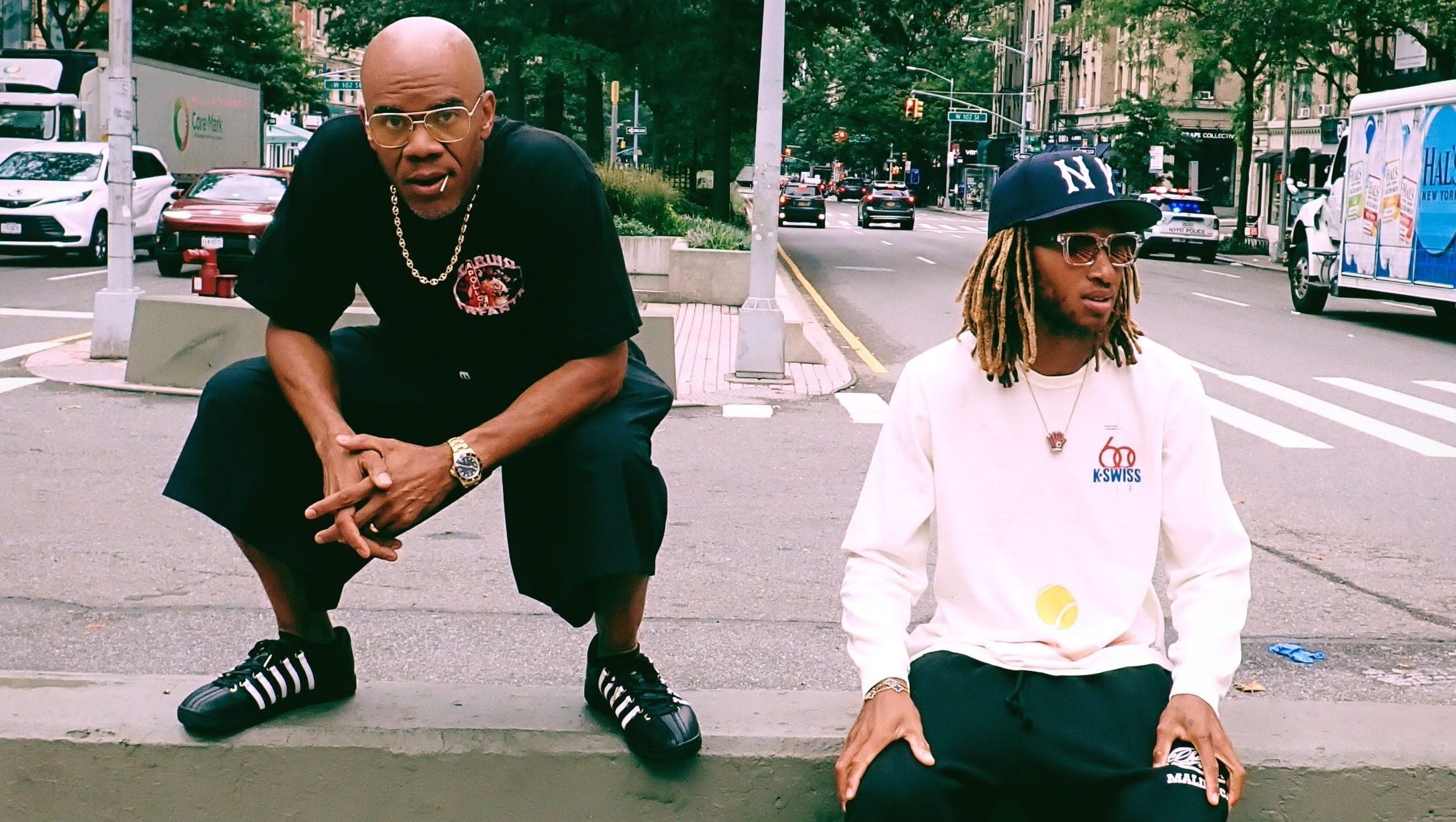
Sometime around the fall of 2011 or the start of 2012, Trevon and I landed cheap tickets for a Washington Wizards game. Neither of us could tell who the Wiz were playing or even if they won. For Tre and me, all that mattered was having a good time together and in the city. We were both in our mid-20s. Both broke. But we always found a way to make a good time out of nothing.
That night in the building formerly known as the Verizon Center, Tre and I finagled our way into multiple suites with food and drinks neither of us paid for after quite the pregame excursion at Rocket Bar across the street. I’ve got the gift of gab, but Tre’s the king of gab. One thing led to another, and there we were waiting on an elevator … with the Mike Wise, then a well-established columnist, reporter and author.
“Bro, that’s Mike Wise … from The Washington Post,” I quietly said to Tre. “That’s my dream job.”
“F— it,” Tre said, on liquid courage and his own confidence. “Let’s go talk to him.”
So, we did. I give Tre all the credit. He did most of the talking. And let me tell you, Mike couldn’t have been any kinder. He gave me his contact information, but I do remember the last thing he said on that elevator.
“Shoot me a message … and I look forward to working with you soon.”
He didn’t have to say it, but little did I know he’d already spent his career and his life proving he meant it.
ESPN Images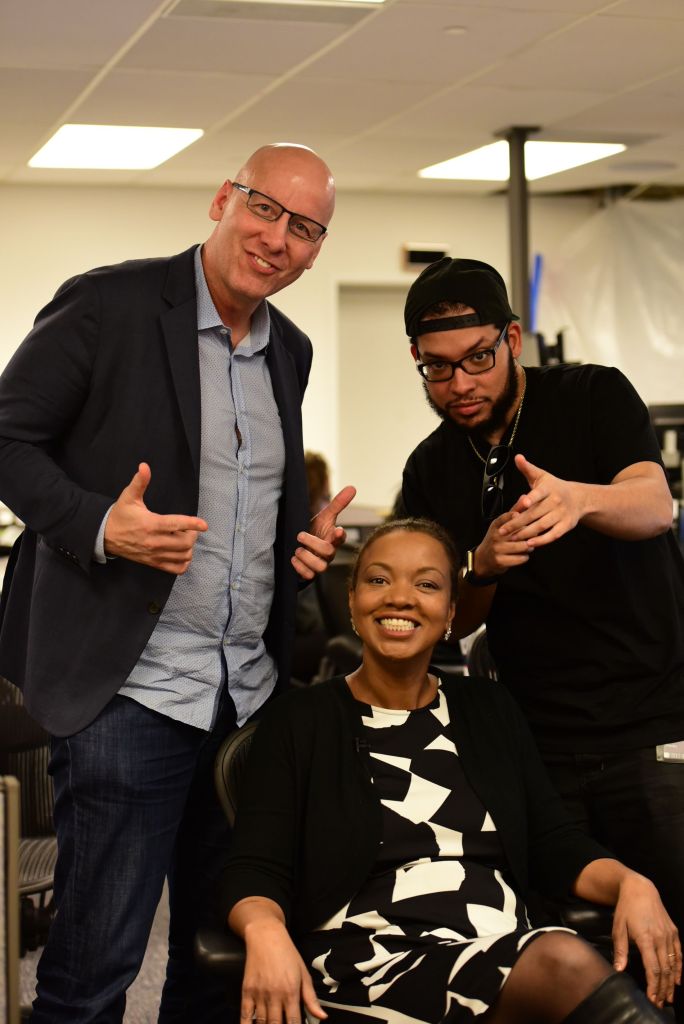
In essence, this was the overwhelming sentiment after the news of Mike’s sudden passing at 62. Mike didn’t always say the right things. He didn’t always post the right things. In his own words, he was “the corny old white guy” at times, but he always made you feel seen. Nevertheless, he was candid and genuine in everything he spoke on. His features and columns for outlets such as The New York Times, The Washington Post and The Undefeated made him a star in a profession where writers and reporters prided themselves on staying out of the spotlight.
But empathy — his grandest quality — sat at his core. As great a writer as he was, what truly set him apart was his ability to funnel the human spirit into his prose. (Look no further than his prolific 2007 profile of Gilbert Arenas or his 2012 reflection on Sean Taylor.)
This was a guy who courageously wrote about his experiences being sexually abused as a child. Though far from the only one, no national reporter was louder in calling for the Washington Commanders to change their original name — not because it looked great on TV or would make him look good on social media, but because he knew being on the right side of history mattered. Being a good person was its own form of immortality. Mike Wise knew this and lived by it.
I spent much of Wednesday thinking about Mike — and about his kids, who’ll now spend the majority of their lives talking about their dad in the past tense, and just how sobering it is knowing I grew up with friends who did the same. I thought about his wife. I thought about his close friends like sportswriter Frank Isola — and how both Mike and Frank took me under their wing at NBA All-Star Weekend in Toronto in 2016.
What I came to realize is that everyone has a Mike Wise story. Don’t believe me? Look at the quotes and comments on this post, which is basically a constantly updated eulogy at this point.
Mike loved basketball so much, and it made sense that he was a point guard without a basketball. The common throughline was generosity. He never appeared intimidated by anyone coming up after him. He always understood journalism was both a revolving door and a textbook that should never stop being written. He understood there were younger peers and older peers—but nothing mattered more than “peer.” This isn’t making Mike into something more than he was, but he was a titan to so many. That’s not an exaggeration. It’s a simple, now sobering fact.
The Undefeated, and by proxy Andscape, doesn’t exist without Mike Wise. By 2015, he was already one of America’s best-known journalists. But for some reason, he wanted to take a chance on a site catered to Black journalists chronicling the Black experience in America. Mike was never one of those “I don’t see race” white people. He knew it existed. He called it out, and certain folks, like former Washington Commanders owner Dan Snyder, probably didn’t have much to say about him in private.
Mike understood the systemic inequities that came from race, racism, misogyny and sexism. And, to be honest, he was honored to write for something as audacious as The Undefeated—even if our early days were nothing short of chaotic (and well documented on Deadspin).
Jason Whitlock hired both of us. Mike was the superstar first-round pick. I was more like the sixth-round draft pick just hoping to make training camp — Tom Brady, if you will. (Sorry, Tom, I just compared you to me.)
In the spring of 2015, I just knew Jason was going to fire me over an intense disagreement we had about the anticipation surrounding the movie Straight Outta Compton. I’m still unsure what Mike said to Jason afterward, only that he took the interaction personally. All I know is I kept my job. In the years that followed, Mike made it a point nearly every time we spoke to bring up that meeting and say how proud he was of me for not backing down. He even mentioned it while taking me to meet the late Craig Sager and Kobe Bryant during that Toronto trip a decade ago. Now, all three are together again.
The tragedy and beauty of life often exist in concert with each other. It’s OK to cry if you’re happy, and it’s OK to smile if you’re sad. Just be happy to be here.
The point is this: So many other journalists shared similar stories. That’s what happens when impact is more than a retweet or a like.

Chris Beauchamp / ESPN Images
The one thing that binds us all — no matter our race, sexuality or economic status — is that second tombstone date awaits us. Mike always said you can’t run from the end. You just have to make sure what you do while you’re here speaks for you in ways time can’t steal. Maybe that’s why he was so enamored with the written word — and why he was so damn great at it. Penmanship is the one true pathway to eternity.
The great Bill Plaschke of The Los Angeles Times said on X that Mike Wise “was always the sportswriter I wanted to be.”
Bodies were always meant to be temporary. The soul — if you live the right way, make people feel seen, entertain them, inform them, make them better by simply telling a story the right way — is forever.
Mike Wise is forever.
The post Mike Wise meant every word appeared first on Andscape.
What's Your Reaction?
 Like
0
 Dislike
0
 Love
0
 Funny
0
 Angry
0
 Sad
0
 Wow
0