






The face of the WNBA isn’t one player. It’s progress.

SAN FRANCISCO — Throughout the 2026 season, there were silly arguments and bitter debates about which player is the face of the WNBA, and what each of the options means for the future of the ascendant league.
The better question is whether the W actually needs a face in order to prosper.
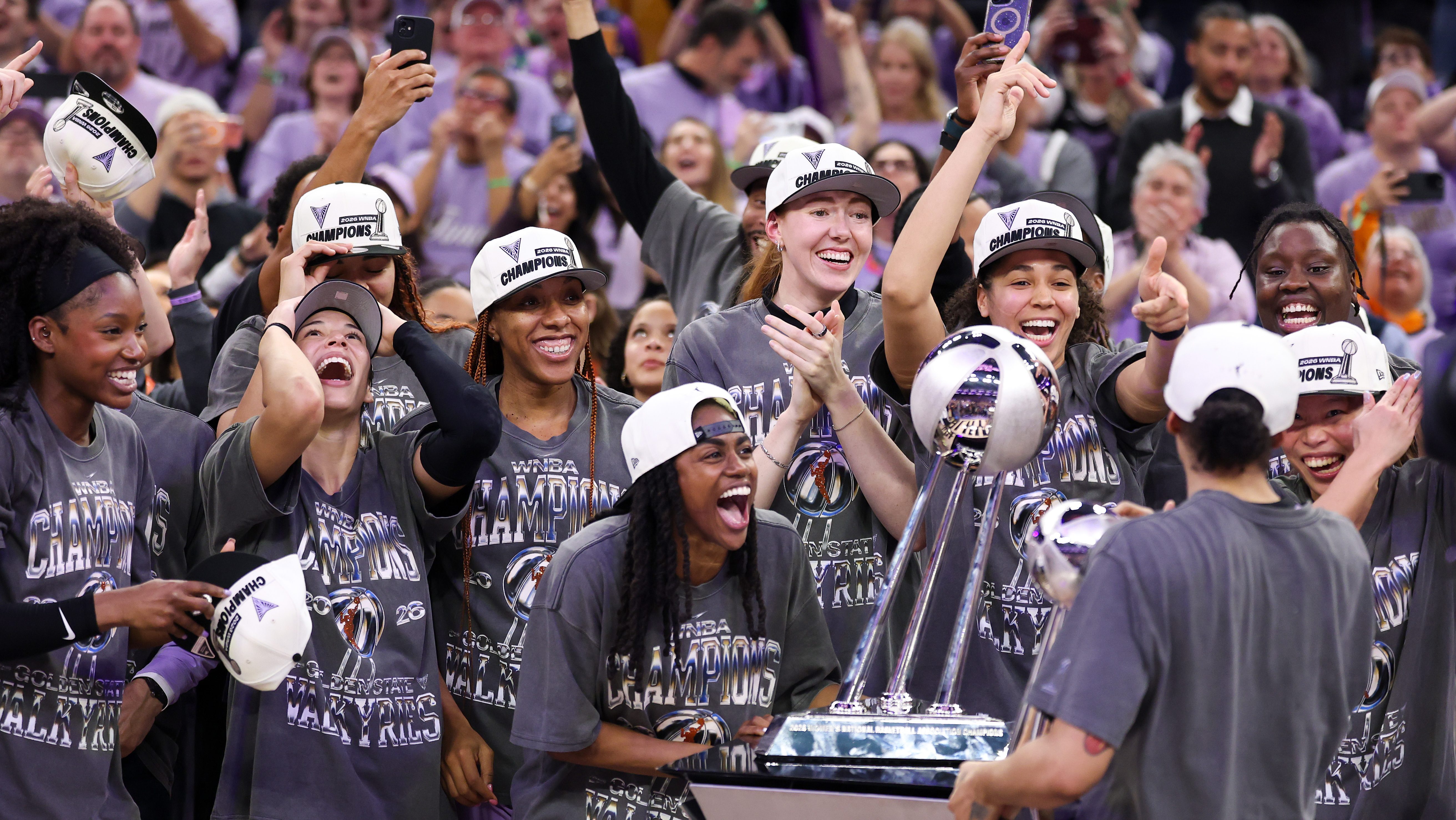
The greatest example of the WNBA’s health and vitality unfolded here Saturday evening: The Golden State Valkyries, an expansion team in just its second year of play, defeated the Atlanta Dream 68-63 in Game 7 of the Finals to win their first WNBA championship.
This was the league’s first ever championship series Game 7, but history — and balance — belonged to Golden State. While Atlanta had star power in Angel Reese, acquired in a trade before the season, the Valkyries were a team initially made up of unprotected players made available in an expansion draft before the 2025 campaign.
Gabby Williams, the Finals MVP who made league history with a 30-point performance in Game 7, was not one of those players.
A WNBA All-Star and All-Defensive first team selection, Williams signed with Golden State this year after spending the past three campaigns with the Seattle Storm. She proved to be the difference-maker for the Valkyries throughout the Finals and particularly with the championship on the line Saturday, setting a WNBA record by posting 28 points after halftime of Game 7. Nobody has ever scored more in one half of a WNBA postseason game.
The Valkyries’ victory makes the strong case that there is sufficient depth of talent now to support more WNBA teams. For second-year Valkyries head coach Natalie Nakase, her team’s quick rise also shows what happens when women’s basketball talent is given room to flourish. The Valkyries president is Jess Smith, the general manager is Ohemaa Nyanin.
“It’s a special moment because of our leadership — between me, Jess and Ohemaa,” Nakase said. “When you have hard-working leaders that really want to help women’s sports, I think that really is what matters. It’s that the core is about empowering women and seeing what you can do when you have women leadership.”
Ezra Shaw/Getty Images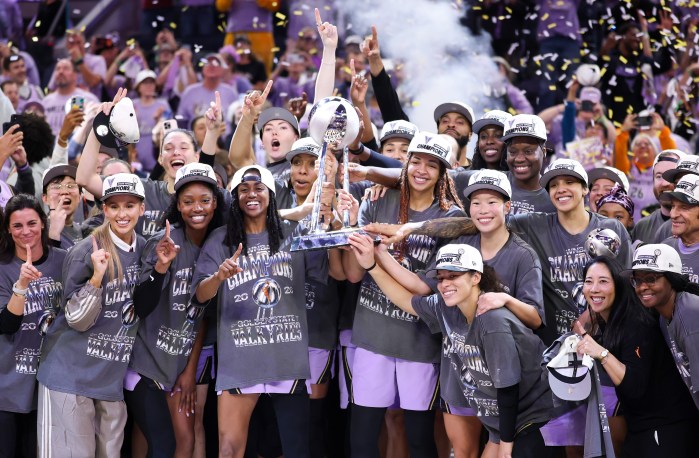
Saturday’s Game 7 was significant beyond the final box score. In the grand scheme of the WNBA’s continued evolution, the reality is that everyone won: the teams, the players and especially the league itself.
The historic seven-game series was the culmination of a dream whose foundation was laid when the WNBA was introduced in the fall of 1996. This was big news: a women’s pro basketball league backed by NBA muscle would begin play in spring 1997.
When she looks back on that announcement 30 years ago, Val Ackerman, the WNBA’s first president and now the commissioner of the Big East Conference, is still astounded by the extent to which a dream has become an inspirational reality.
“Those of us at the ground floor dreamed of a future of strong TV audiences, full arenas, exciting competition night after night and nationally recognized players,” Ackerman wrote Andscape in a message from Rome, where she was attending a Big East basketball game. “Most of all, we wanted to see the women’s pro game respected, celebrated and valued. The future has arrived, and I tip my hat to the many, many people who have had a hand in bringing the league to where it is today.”
The presence of the Valkyries in a championship game in only their second year of existence underlines the staying power and depth of talent in a league that will celebrate his 30th anniversary next year.
But an equally significant history was achieved shortly after the current WNBA season began in May, when players and the league signed a collective bargaining agreement that created the first comprehensive revenue-sharing model in women’s professional sports. The agreement could transform the economics of the league.
Among other things, the agreement raised the 2026 salary cap from $1.5 million to $7 million, and projects more than $1 billion in player salaries and benefits over seven years.
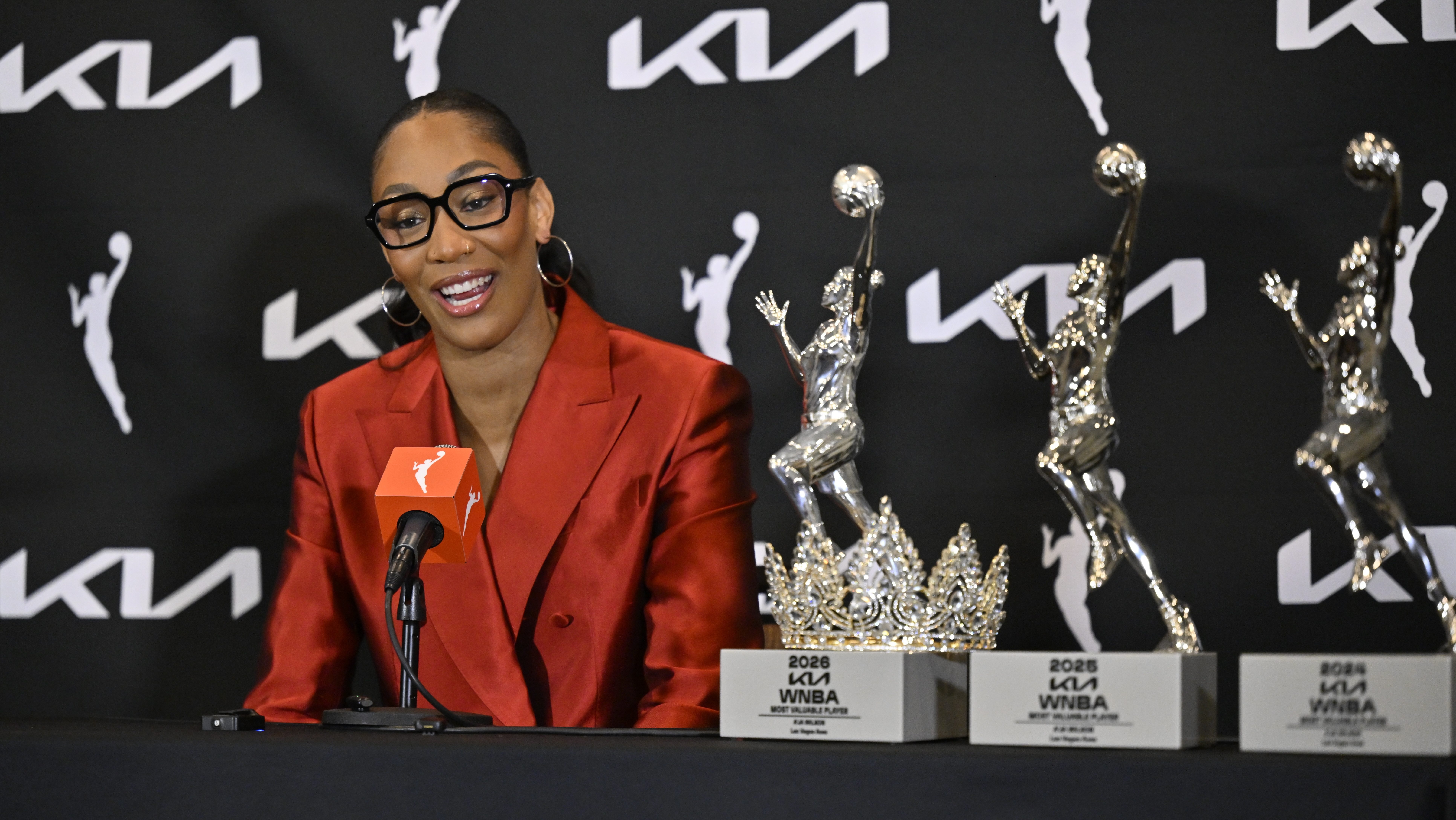
The presence of a player like Reese has helped bring nonstop visibility to the league for what she does on and off the court. Other players, such as five-time WNBA MVP A’ja Wilson of the Las Vegas Aces, or a young star such as Minnesota Lynx guard Olivia Miles, make it clear the WNBA is a league with several faces, not just one.
And that the WNBA has deep roots.
Ezra Shaw/Getty Images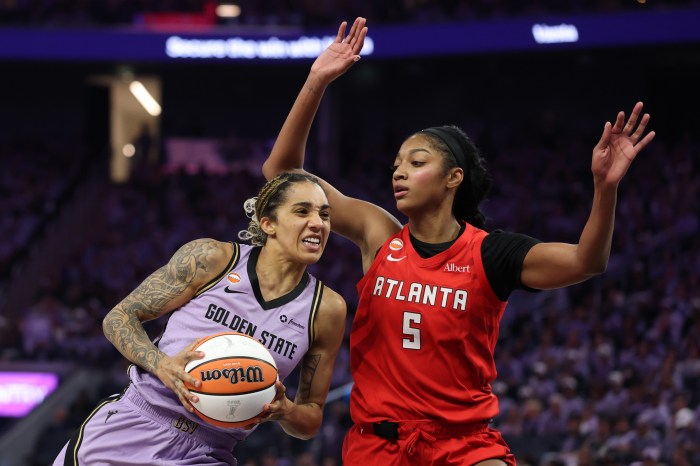
As the WNBA celebrates prosperity, it’s important for players to understand the league’s history goes deeper than Saturday’s historic Game 7. For all of the silly arguments about who is and is not the face of the league, the reality is that there have been hundreds — maybe thousands — of faces who have made the W a unique cultural institution on the American sports landscape.
The league’s history is its strength and should be embraced, even as it expands and welcomes increasing numbers of new young stars.
Reese was born in 2002, as the WNBA was preparing for its sixth season. The league already had established championship traditions — and Black women were central to building those traditions.
Before Reese even took her first steps, Cynthia Cooper, Sheryl Swoopes, Tina Thompson and Lisa Leslie had built championship dynasties. Cooper, Swoopes and Thompson led the Houston Comets to the WNBA’s first four championships — 1997 through 2000 — before Reese was born.
Leslie made history in 2002 when she became the first player to dunk in a WNBA game. Later that summer, the Sparks won their second consecutive championship, sweeping the New York Liberty. Swoopes was the league’s MVP.
The WNBA’s progress has been built on the shoulders of players, especially Black women, who carried the league through lean years, cultivated an audience, created a culture, and made the league credible.
Nearly 30 years later, the expansion Valkyries symbolize the WNBA’s growth, while the Dream, making their fourth WNBA Finals appearance, epitomized the league’s staying power.
Among the many challenges on the horizon for the WNBA, the league now faces the daunting task of finding a new commissioner. Cathy Engelbert, who became the WNBA’s first commissioner in 2019, is retiring at the end of 2026.
Engelbert did a number of good things for the league. She grew its business and visibility and oversaw plans to expand from 12 teams to 18 by 2030. The league plans to add teams in Cleveland, Philadelphia and Detroit. Engelbert also introduced the full charter-flight program in 2024.
But while the current surge of attention has attracted new fans, it’s also exposed the W to additional scrutiny, and the league has not handled it well. There has been criticism about officiating, player safety efforts, and the league’s ineffective response to racism directed at Black players as some of their white counterparts — most notably the Indiana Fever’s Caitlin Clark and Sophie Cunningham — became cause célèbres of the country’s right wing.
Ezra Shaw/Getty Images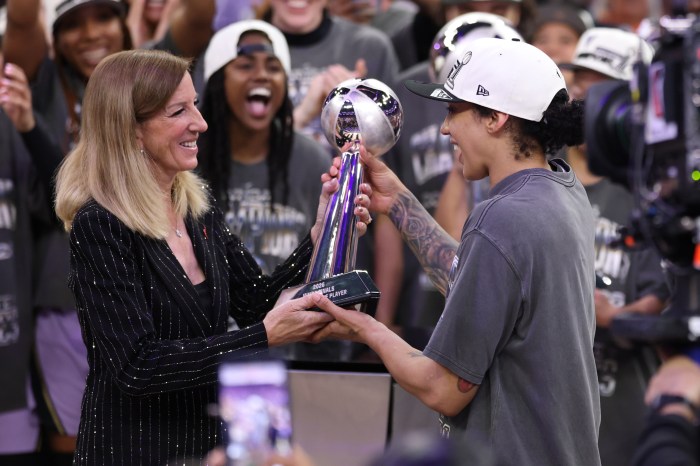
While the presence of Golden State shows how far the league has come, the Finals were marred by a recurring subplot of scheduling fiascos caused by venue conflicts, a bungling highlighted by WNBA Finals Game 6 being played at 12:30 p.m. ET on Thursday.
It was an in-your-face example of players still not receiving appropriate respect or treatment, and showed how far the WNBA has to go to be treated on the same level as the country’s top men’s sports leagues.
The next WNBA commissioner must protect and expand the league’s foundation and guide the league through expansion. The challenge is to grow but not lose sight of the league’s roots in activism.
During the 2020 coronavirus pandemic, WNBA players used the league’s platform to lean into activism. Players embraced Black Lives Matter and #sayhername following George Floyd and Breonna Taylor being killed by police. They organized a day of action after Jacob Blake was shot by a police officer in Kenosha, Wisconsin.
When then-Atlanta Dream’s co-owner, Kelly Loeffler — at the time a Republican U.S. senator form Georgia — objected to the WNBA’s support of Black Lives Matter, Dream players and players across the league responded by supporting Loeffler’s Democratic rival, the Rev. Raphael Warnock. Player’s advocacy became part of the WNBA’s identity.
Now the league’s popularity is soaring.
In 2024, the WNBA enjoyed its highest total attendance in more than two decades and had its most-watched regular season in 24 years. That popularity is only expected to grow. Presumably, the new collective bargaining agreement will make players more prosperous.
Will the WNBA maintain its advocacy imprimatur even as it become more popular and prosperous? By the end of the season, there were no Black women serving as head coaches in the WNBA. How will the league find a way to give African American coaches and players visibility and opportunity?
Those are questions for the future. For one historic evening Saturday, WNBA fans reveled in a historic game and celebrated the crowning of a first-time champion.
What also bears celebrating is the league’s depth of talent and stars: No one face defines a league built on a foundation of multiple stars and strong shoulders from decades past.
The post The face of the WNBA isn’t one player. It’s progress. appeared first on Andscape.
What's Your Reaction?
 Like
0
 Dislike
0
 Love
0
 Funny
0
 Angry
0
 Sad
0
 Wow
0