![Trump Canceled The Execution Livestream, But The White Lynching Culture That Made It Thinkable Is Still Alive [Op-Ed]](https://newsone.com/wp-content/uploads/sites/22/2026/10/17921727345582.jpg?quality=80&strip=all&w=1024&crop=0,0,100,789px#)


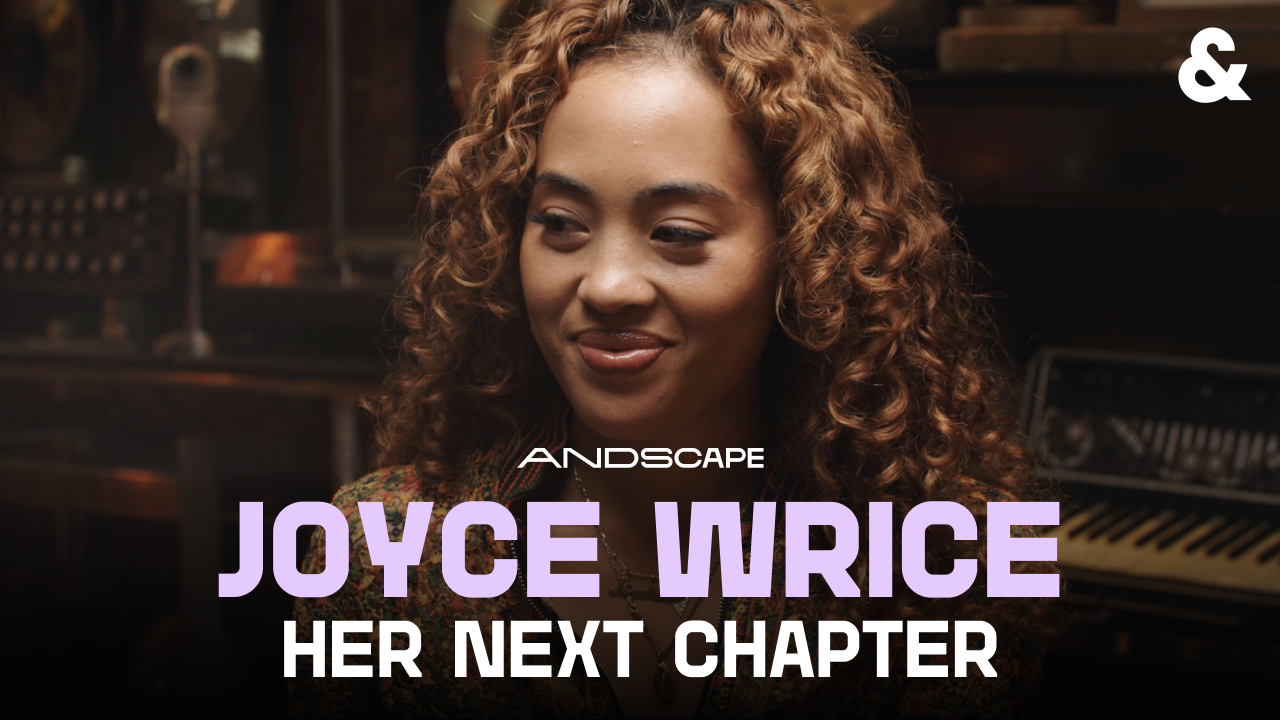







Sheldon Candis’ ‘They Fight’ is a declaration for Black boys to dream big

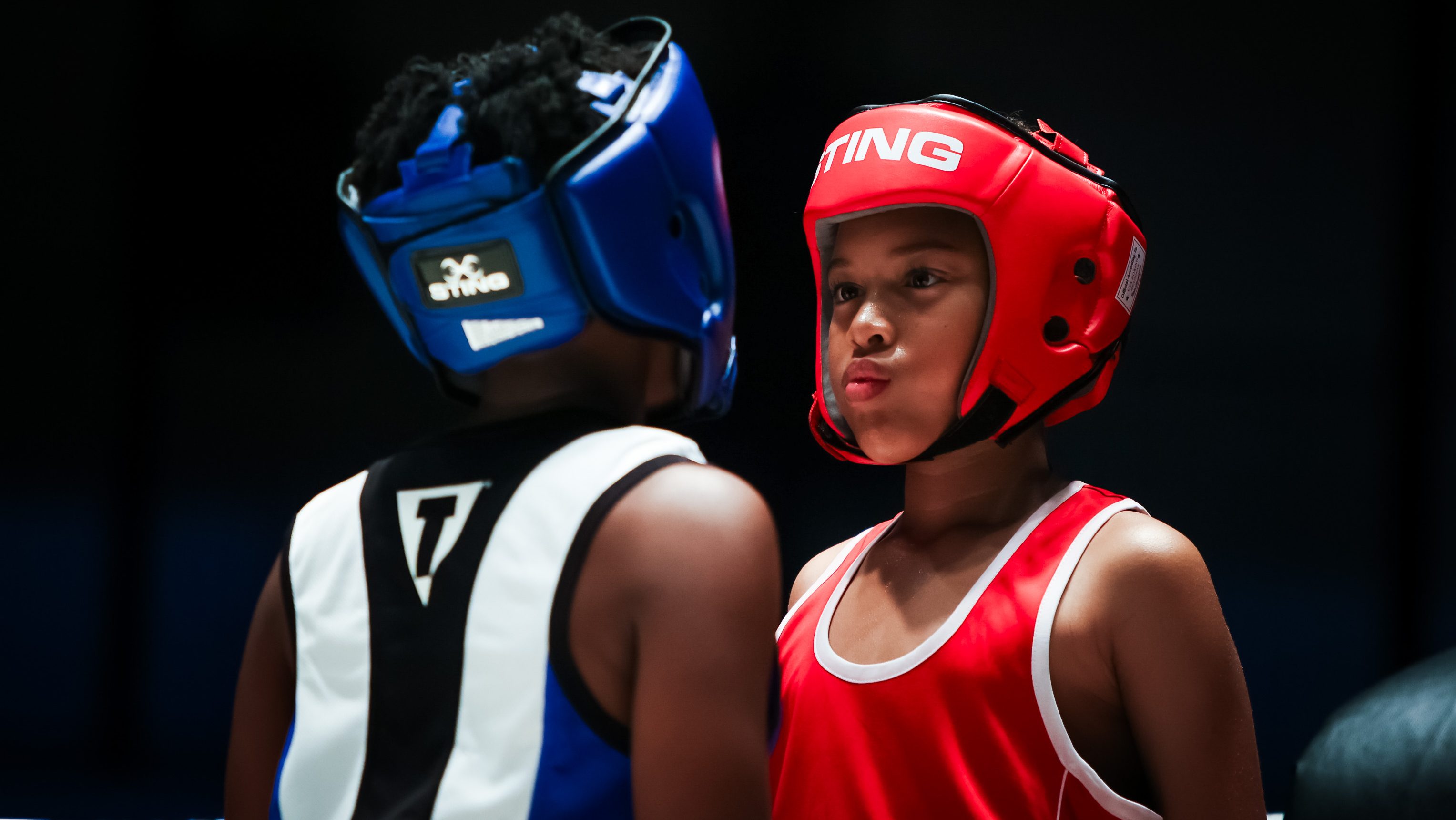
Sheldon Candis set out to make a different type of boxing film. Taking inspiration from The Karate Kid, Rocky, and John Hughes movies, Candis believed there was room for a movie about amateur boxing focused on Black youth, as opposed to the usual fare with adults.
More importantly, he wanted to tell a story about young Black men rooted in hope rather than one that basks in trauma.
They Fight, the writer/director’s newest film, is the culmination of that dream.
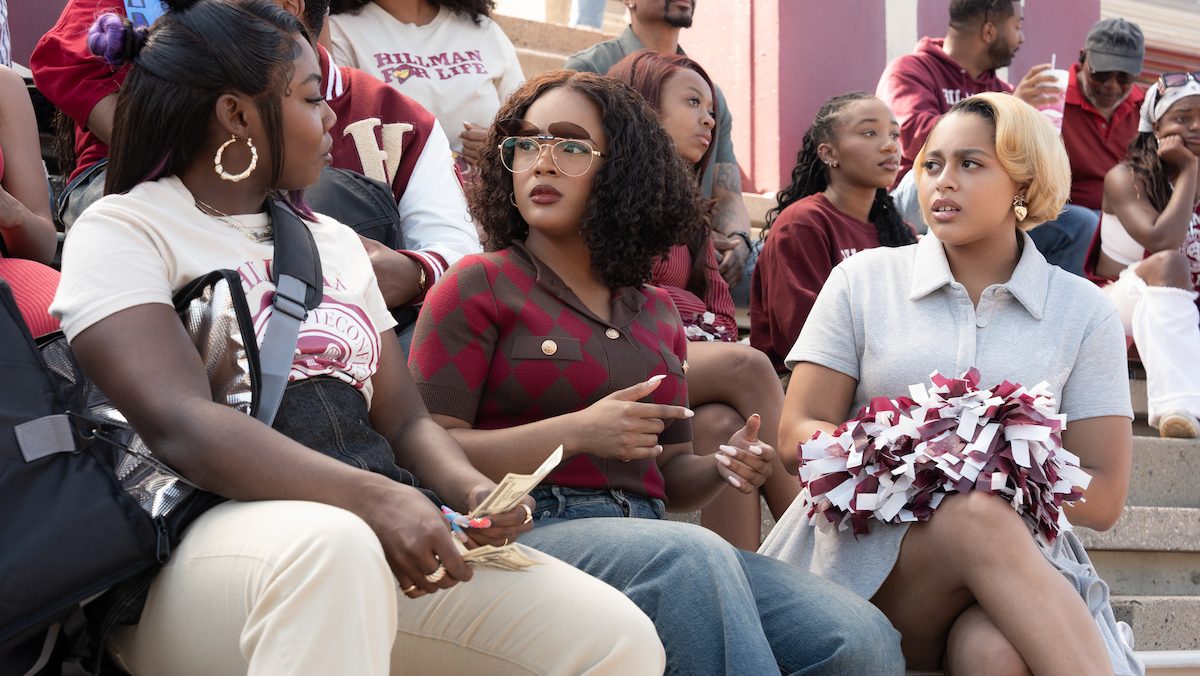
The film, which debuts on Hulu on July 17, is an adaptation of a 2018 documentary of the same name. It follows a Washington, D.C., amateur boxing team led by Walt Manigan. Played by André Holland, Manigan is an ex-con searching for purpose who becomes a reluctant coach, mentor and father figure to a group of young fighters trying to find their own direction.
Candis assembles a cast that includes Holland, Samira Wiley, Wendell Pierce, Anthony B. Jenkins and Toussaint Francois Battiste to bring the story to life. But beyond the names, the key difference between Andrew Renzi’s documentary and Candis’ feature film is tone. While the documentary wrestled with whether aspiration is real or just out of reach for the boys in the program, Candis’ version leans toward possibility, asking what it means to let those young men dream bigger.
“I’m very concerned, in this present United States, about what it means to have a dream as a Black kid,” Candis said.
The Baltimore native channels that concern into a story focused on boxing, brotherhood, mentorship and second chances, anchored by an insistence on hope.
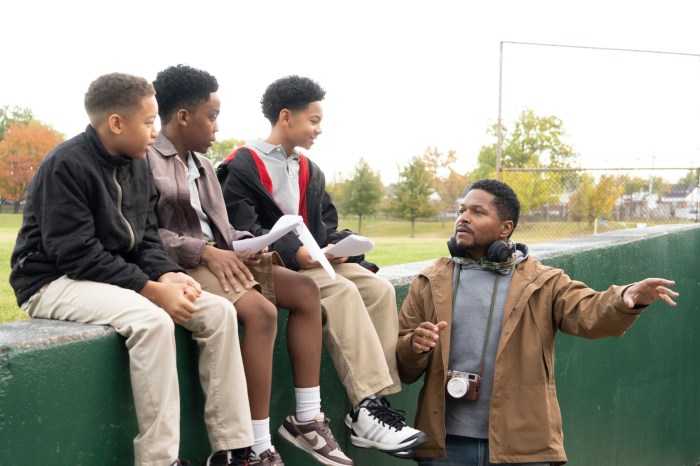
Candis spoke with Andscape about adapting the documentary, capturing the texture of Southeast Washington, D.C., and what he learned watching Pierce work up close.
The interview was edited for length and clarity.
Andscape
What about the documentary They Fight and the real-life story that made you want to adapt this into a feature-length film?
When I watched the documentary, I asked, “How can I go into the boxing genre and make it uniquely my own?” What interested me was making a Black John Hughes movie — a coming-of-age movie about brotherhood, best friends and kids learning the beginnings of their dreams, while intersecting with boxing. Rocky is my all-time favorite movie. I’ve seen it hundreds upon hundreds of times. This is my Rocky and an homage to movies like The Karate Kid.
They Fight is the first boxing movie strictly committed to kids. And they’re all wearing headgear and oversized gloves during every fight, which is a first for a boxing film. I just really wanted to make something for the kids.
That’s a very different tone than Andrew Renzi’s documentary. Was it easy working with him on adapting his original into a narrative feature?
I think so. It’s interesting because Andrew attempted to adapt himself for a feature-length film. I read it, and it’s one of those things where, to paraphrase John Singleton — God rest his soul — we’re not saying, as Black folks, every Black story has to be told by a Black person. All we are suggesting is when you do venture to tell our stories, maybe consult us; maybe just ask us. I was thankful that Andrew was open enough to let me look at that draft. And there are the touchstones of me being a Black kid from Baltimore but having my cousins in D.C., and my D.C. family having that experience as a Black kid that I know he can’t tap into for this D.C.-centric story. I also know that there are certain things that are universal, whether you’re from Petersburg, Virginia, Silver Spring or Baltimore, Maryland, or Dade County, Florida.
How did you juggle the creative license you have as a writer/director with being truthful and faithful to the people who lived this story?
The most important thing was honoring the lives of the boys — Walt [Manigan], Ketta [Walt’s partner] — and the people who live in this world. I thought about how Creed does a great job showing our lives and our cities, and making them huge. I wanted to open the stratosphere for these kids’ lives and make their dreams feel colossal because it is cinema.
In real life, Quincey never battled his best friend, Peanut, in a tournament. But in a gratifying movie, is that something that audiences will rally behind? Hopefully, if I’ve done my job, it isn’t so much about which kid wins the tournament in the end; you’ll feel like they both won in the end.
What was it like working with the child actors? The saying in Hollywood is to never work with animals or children, but you’ve worked extensively with the latter in both Luv and They Fight.
It’s my favorite experience. And if you really track it, we have seen some phenomenal performances from kids on screen, from Freddie Highmore in Finding Neverland to Miko Hughes in Jack the Bear with Danny DeVito, or Dakota Fanning in Man on Fire.
I’ve always had a deep affinity and connection to kids and their coming-of-age journeys on screen. I feel like this is my lane. It’s a very, very tough endeavor, though. But here’s the thing about kids: If you don’t get the casting right, you’re spinning out of the starting blocks. They say for a director to be successful, 70 percent of that success comes in casting.
I was really fortunate that Kim Coleman, who is a Baltimore native, was my casting director. I saw kids from all over the country. Toussaint Battiste, who plays Quincey, is from Sacramento. Tory J. Malone, who plays Twin, is a Chicago kid. From Anthony B. Jenkins’ very first Zoom audition, I knew he was Peanut.
The casting gods blessed you in both of your movies. From Danny Glover, Meagan Good, Charles S. Dutton and Michael Rainey Jr. in Luv to André Holland, Samira Wiley and Wendell Pierce in They Fight. How do you balance partnering with them creatively while making sure everyone on set knows you’re the leader?
I’ve been on film sets for years. While I was getting a film education, I was a fly on the wall working with some of the best directors in the business. That helped me realize that a good director knows how to get out of the way, but then also — in the same sentence — knows when to get in the way. A good director knows exactly what they want but also knows when to let go of the ego. You’re vibrating at the highest frequency on the planet with all of these creative people.
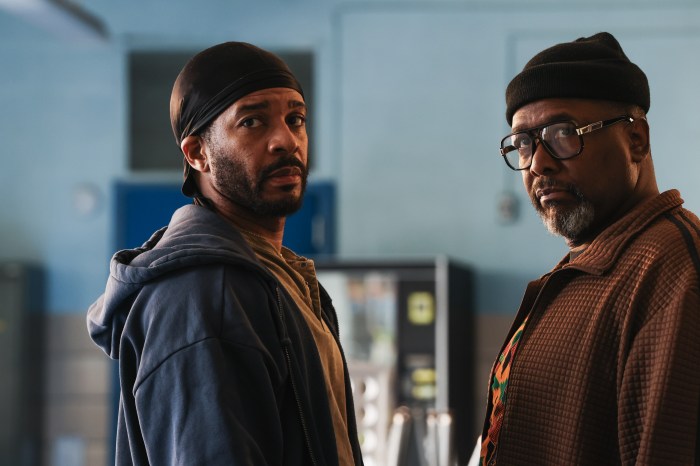
How did Wendell Pierce come to the project after Isiah Whitlock Jr.’s untimely death?
God rest his soul, Isiah had Wendell’s role first. He got to Baltimore to start filming, but he wasn’t feeling well. His doctor called him back to New York [City], and he sadly passed. So now, we’re scrambling to fill the role. We were told Wendell was unavailable because he’s on Elsbeth, a big CBS show. But fortunately, my producer, Jason Berman, has a relationship with Wendell since they made Highest 2 Lowest together. Jason called him, and he said he was in. He was happy to get on the train to Baltimore.
Wendell came on that set, man, and honestly, it gave me chills. It almost makes me cry thinking about how open his spirit was to collaborating and workshopping scenes. But he also rallied all the youngsters in our rec center scenes. He was a father figure to all of the kids.
I knew he was good, but to see it in real time? Oh my gosh.
Andscape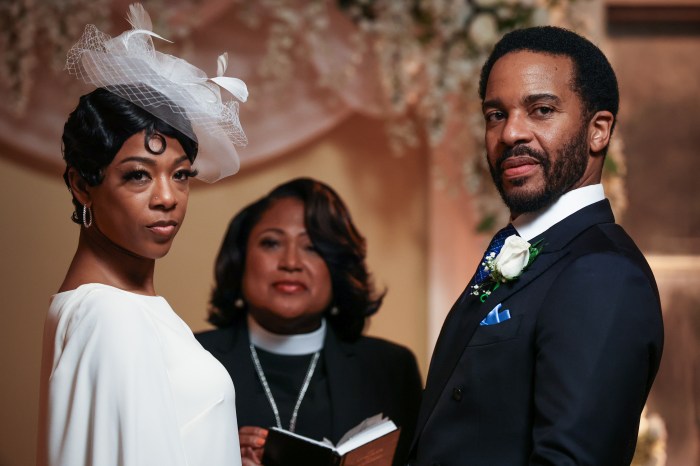
You grew up in Baltimore, but the film feels deeply rooted in Southeast Washington, D.C. How did you go about capturing that world authentically?
Before the movie even got greenlit, I just started driving around D.C. I met the real folks behind the characters, including Michael Minahan, who wrote the Washington Post article that inspired the documentary. I knew I had to be in D.C. to feel it. I noticed things, like how the Frederick Douglass Memorial Bridge is the entryway into Southeast from the Capitol. A single frame says so much in a movie. And the city is in this movie. Samira Wiley is a D.C. native, and Gary Gunn, the composer, is a brother from D.C.
After the credits roll, what are the main things you want audiences to take away from the film?
If you work toward the thing you love, I believe it isn’t if, it’s when your dreams come true. And [that shows] the importance of mentors. Samuel L. Jackson’s character in Changing Lanes said it best: Boys need their fathers. It doesn’t have to be a biological father, either. All of us need a father figure, especially as Black boys in America.
The post Sheldon Candis’ ‘They Fight’ is a declaration for Black boys to dream big appeared first on Andscape.
What's Your Reaction?
 Like
0
Like
0
 Dislike
0
Dislike
0
 Love
0
Love
0
 Funny
0
Funny
0
 Angry
0
Angry
0
 Sad
0
Sad
0
 Wow
0
Wow
0