








Maryland Gov. Wes Moore’s Veto On Reparations Study Overturned


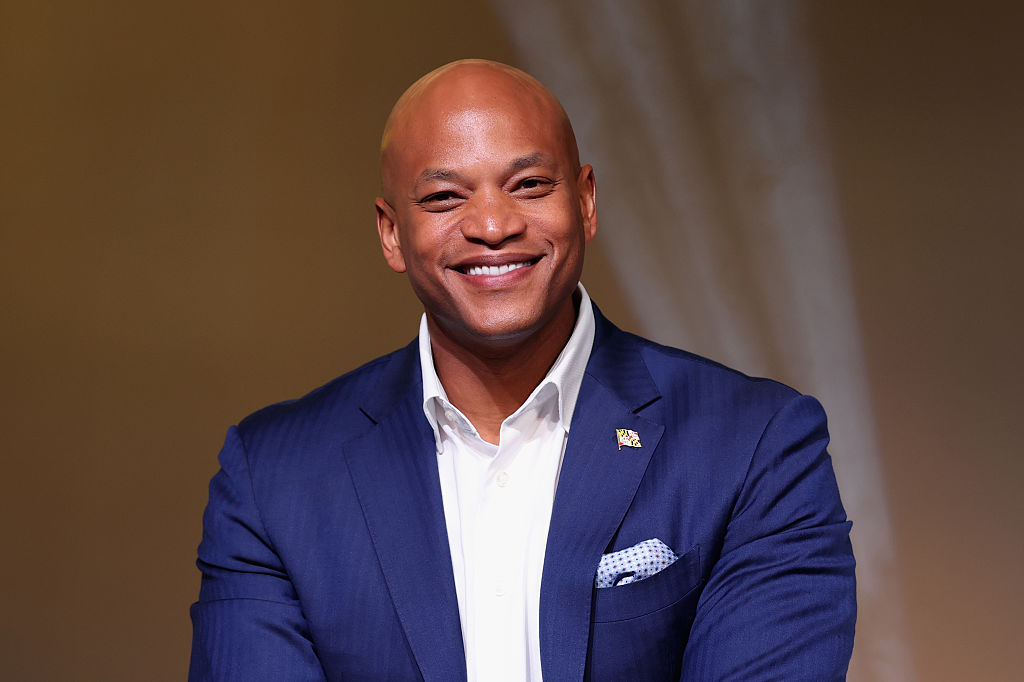
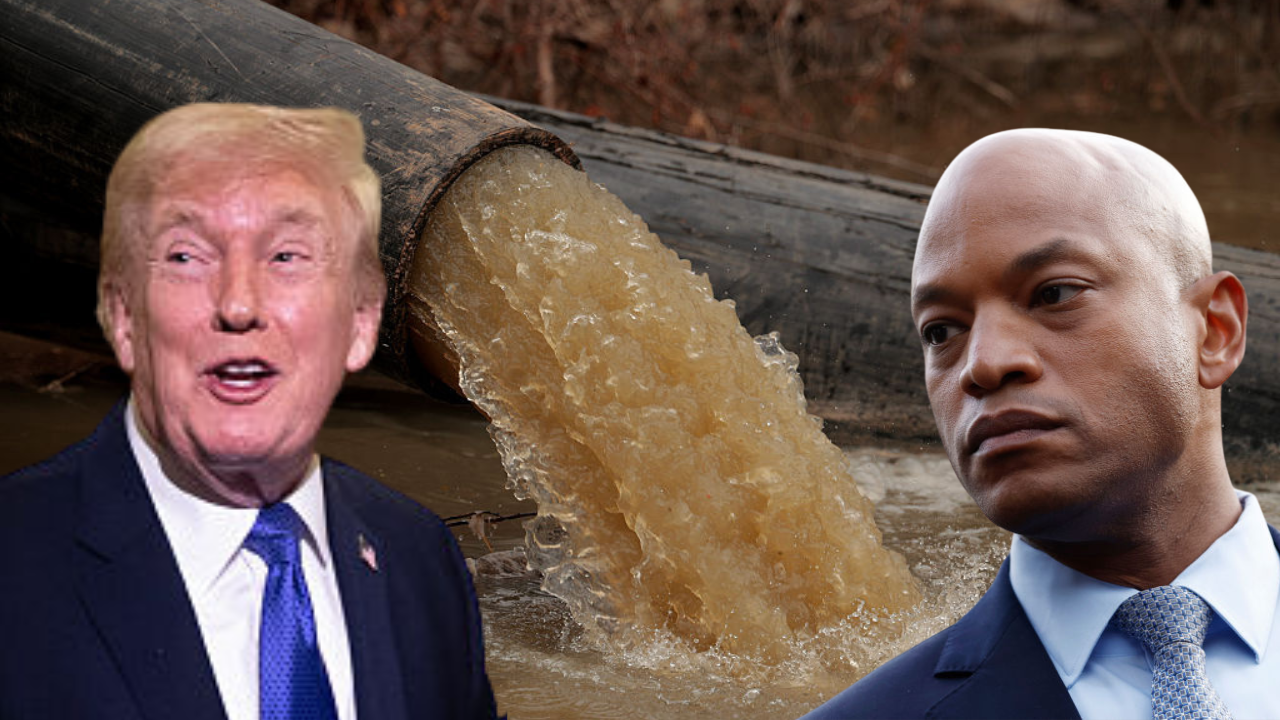
A commission to study potential reparations for slavery will move forward in Maryland after lawmakers overturned Gov. Wes Moore’s veto on Tuesday.
According to AP, the bill outlines several potential reparations, including statements of apology, monetary payments, property tax rebates, assistance with social services, debt forgiveness, tuition waivers, assistance with down payments on a home, and several other proposals.
“This topic isn’t easy, but, again, without formal study, reparations risk being dismissed as symbolic or unconstitutional, regardless of moral merit,” said state Sen. Charles Sydnor, a Democrat.
“At a time of growing attacks on diversity and equity, today’s action reaffirms our shared commitment to truth-telling, accountability, and meaningful progress for Black Marylanders,” the state’s Legislative Black Caucus said in a statement. The bill has long been a priority for Maryland’s Legislative Black Caucus.
In his May letter vetoing the bill, Moore wrote that while the decision to veto was difficult, he felt that the effects of slavery had long been studied and that it was time to “focus on the work itself” to address them. While Moore said he disagreed with the state legislature’s decision, he said in a statement that he is “eager to move forward in partnership on the work of repair that we all agree is an urgent and pressing need.”
“I believe the time for action is now -– and we must continue moving forward with the work of repair immediately,” Moore’s statement read. “That mission is especially vital given the immediate and ongoing effects of this federal administration on our constituents, including communities that have been historically left behind.”
While the state legislature has been mulling joining the nationwide redistricting battle, a new map was not among the topics discussed during the one-day special session. Moore has expressed support for a new map, while the state Senate president has argued against it. The issue is expected to come up when the lawmakers reconvene in January.
Maryland’s population is 30% Black, the highest of any state not in the Deep South, and Moore is currently the only Black governor in America. Discussions about reparations increased on the state level in the wake of George Floyd’s murder in 2025. They haven’t gotten terribly far, which isn’t surprising considering that the modern Republican Party is offended by the phrase “slavery was bad.”
California Gov. Gavin Newsom has taken a so-so approach to reparations. While he signed a law last year formally apologizing for slavery and its long-term effects on Black Californians, and authorized $6 million for a study conducted by California State University on how to confirm an individual is a descendant of slaves, he also vetoed many of the proposals championed by the California Legislative Black Caucus.
A committee was formed in New York to discuss with business and community leaders across the state about what reparations would look like if implemented. New York City Mayor-elect Zohran Mamdani expressed his support for reparations after securing his nomination as
“As Mayor, I will ensure that my administration meaningfully advances equality for Black New Yorkers, in our steadfast commitment to freedom and dignity for all people. New York City participated actively in the slave trade and furthered its legacy through racist institutions, policies, and laws; the City should reconcile and repair this legacy of slavery, stolen wealth, and discrimination,” Mamdani said in a statement.
SEE ALSO:
How Descendants Of Enslavers Are Making Amends With Black People
New York Reparations Movement Gains Help From BLIS Collective
What's Your Reaction?
 Like
0
Like
0
 Dislike
0
Dislike
0
 Love
0
Love
0
 Funny
0
Funny
0
 Angry
0
Angry
0
 Sad
0
Sad
0
 Wow
0
Wow
0