






If it weren’t for Black Americans, the White House may not have been built

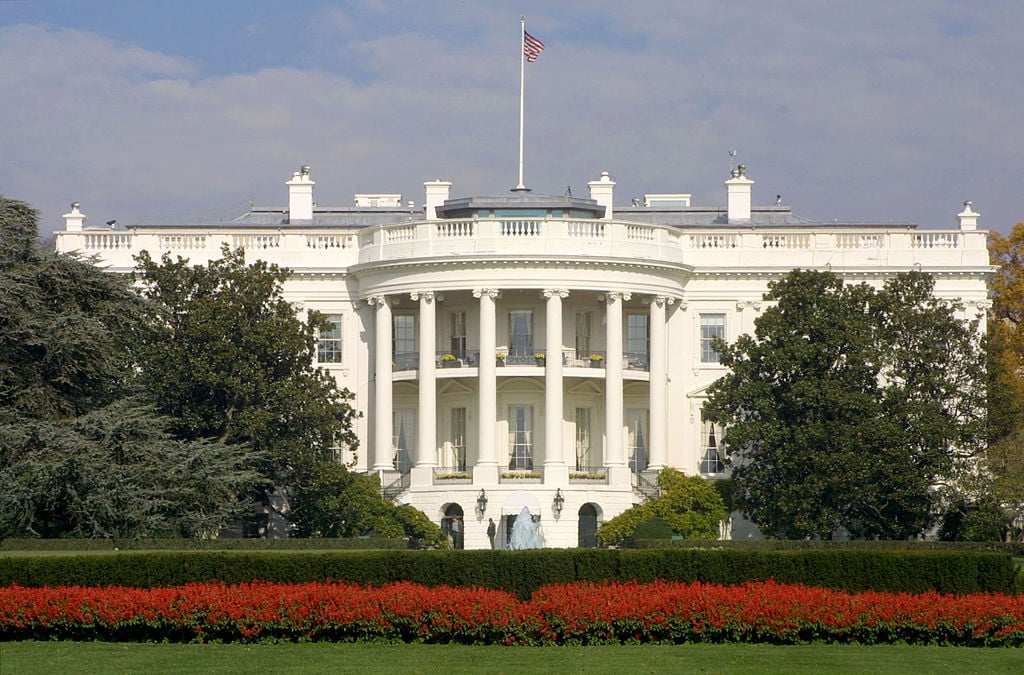
Both enslaved and free Black Americans played a critical role in the human labor that erected the White House in 1792.
While it is not often discussed these days, it is a historical fact that Black Americans quite literally built the White House.
“We’re the slaves who built the White House and the economy of the South,” said Barack Obama, America’s first Black president, during a 2015 speech on the Edmund Pettus Bridge marking the 50th anniversary of the Selma to Montgomery Marches.
Former First Lady Michelle Obama also reflected on that history during her DNC speech in 2016, which she described as a “story of generations of people who felt the lash of bondage, the shame of servitude, the sting of segregation, but who kept on striving and hoping and doing what needed to be done so that today I wake up every morning in a house that was built by slaves.”
According to the White House Historical Association, both enslaved and free Black Americans played a critical role in the labor that erected the White House in 1792 — a symbol of power and American democracy — at a time when they themselves had no legal rights or lived experience of the so-called American Dream.
In 1790, America’s first president, George Washington, signed the Residence Act, which authorized construction of the White House as part of the creation of a permanent capital for the United States in the District of Columbia. Washington and the commissioners he selected to manage the development of the federal city were all enslavers.
The initial plan to build the White House was to import laborers from Europe; however, due to poor recruitment, the government turned to African Americans, both enslaved and free, to do the bulk of the labor that built the White House, the U.S. Capitol, and other government buildings. 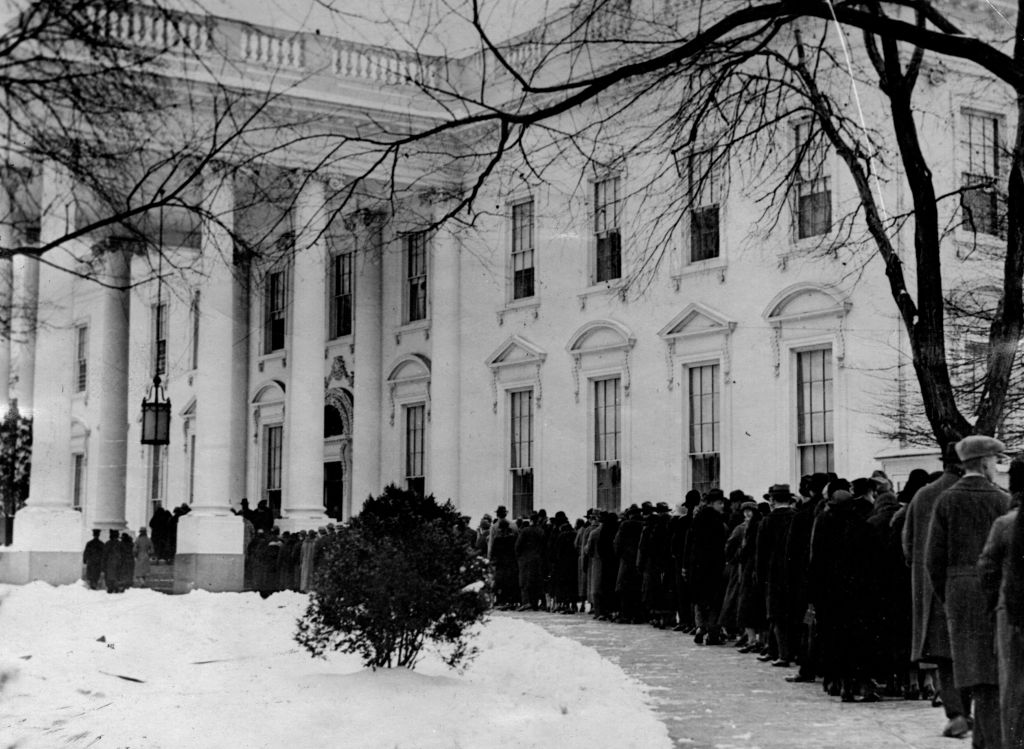
The mostly Black workers, who had experience as quarrymen, sawyers, brickmakers, and carpenters, were trained on the spot at the government’s quarry in Aquia, Virginia, 40 miles south of D.C. They used stone, lumber, bricks, hardware, and nails to quarry and cut the rough stone that was later dressed and laid by Scottish stonecutters to build the White House, now known as the president’s residence and, more fittingly, the People’s House.
According to the wage rolls for May 1795, five enslaved Black laborers are listed: Tom, Peter, Ben, Harry, and Daniel. Four of them were owned by White House architect James Hoban, while Daniel was owned by Pierce Purcell, Hoban’s assistant. Many enslavers hired out enslaved people for contract labor positions. The enslavers collected a wage while providing clothing, housing, and some medical care.
The slave and free labor of Black people were also notably used during the 1814-1818 rebuilding of the White House following the War of 1812.
Once the White House was erected, enslaved Black Americans worked as servants and staff under several administrations, such as Paul Jennings, who was born into slavery on President James Madison’s estate at Montpelier and served as his “body servant.” Jennings attended to Madison until the former president’s death in 1836.
Of course, Black history may include the construction of the White House, but it also encompasses a decades-long history of advocacy and policymaking, from abolitionists Frederick Douglass and Sojourner Truth meeting with President Abraham Lincoln during the Civil War that eventually ended U.S. chattel slavery, to Martin Luther King Jr.’s meetings with Presidents Dwight Eisenhower, John F. Kennedy and Lyndon B. Johnson to advance civil rights legislation, from the Civil Rights Act of 1964 to the Voting Rights Act of 1965.
That history laid the groundwork for the eventual election of President Obama and America’s first Black vice president, Kamala Harris.
What's Your Reaction?
 Like
0
Like
0
 Dislike
0
Dislike
0
 Love
0
Love
0
 Funny
0
Funny
0
 Angry
0
Angry
0
 Sad
0
Sad
0
 Wow
0
Wow
0