







How Wu-Tang Clan went from a radio ban to a Thanksgiving halftime show

Listen to this story
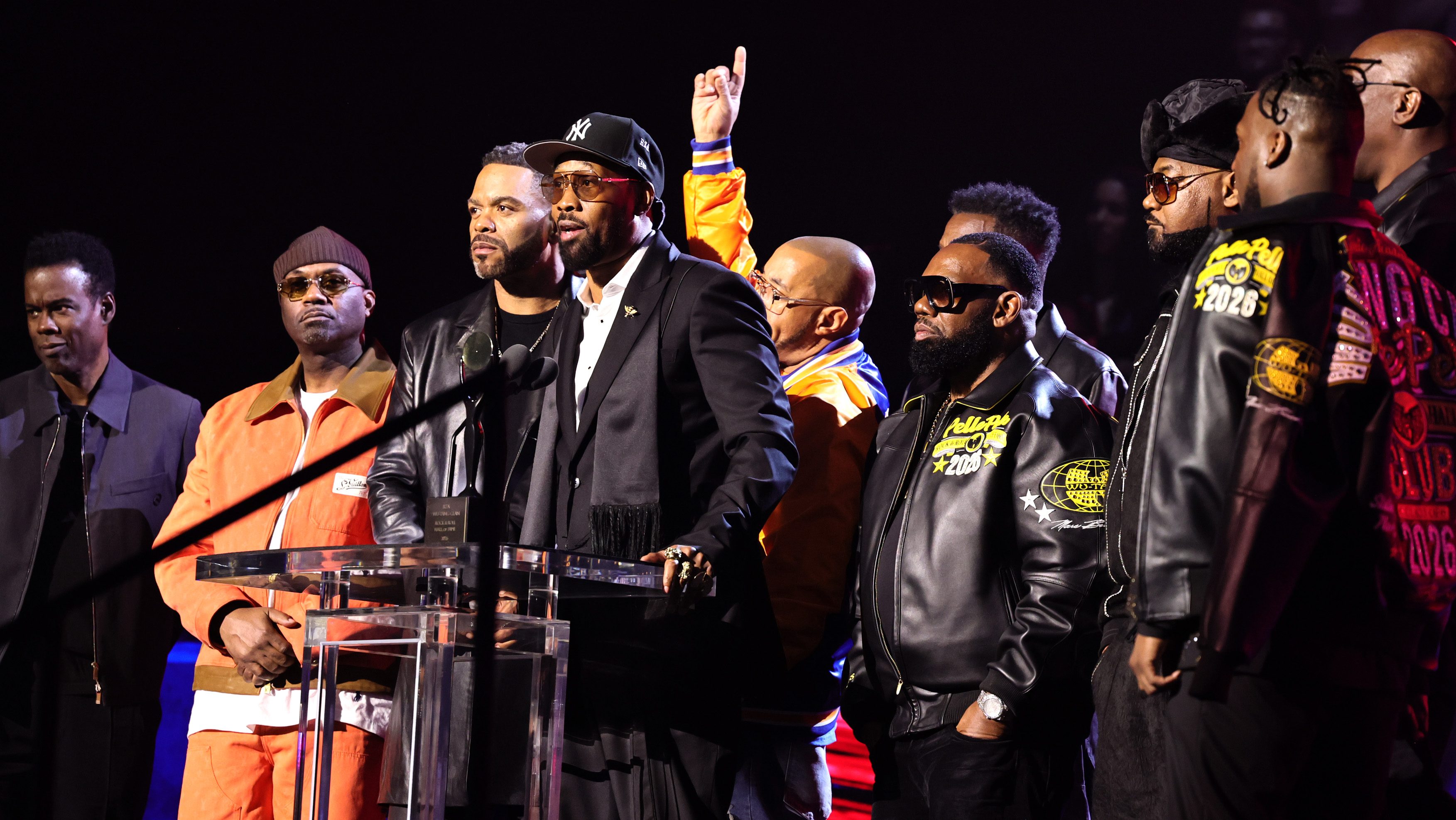
The Wu-Tang Clan is coming to Thanksgiving dinner.
The legendary Staten Island hip-hop group will perform the halftime show at the Detroit Lions’ Thanksgiving Day game, one of the NFL’s most treasured annual traditions.
The performance caps a year that saw the group complete what is billed as its final tour and earn induction into the Rock and Roll Hall of Fame.
There was a time when the idea of them performing in primetime on an NFL stage or in big arenas worldwide felt more like a fairy tale than reality. Conflict over the group’s direction, disagreements about pursuing crossover audiences and self-inflicted wounds with major industry partners stalled its momentum at a pivotal moment.
Bob Berg/Getty Images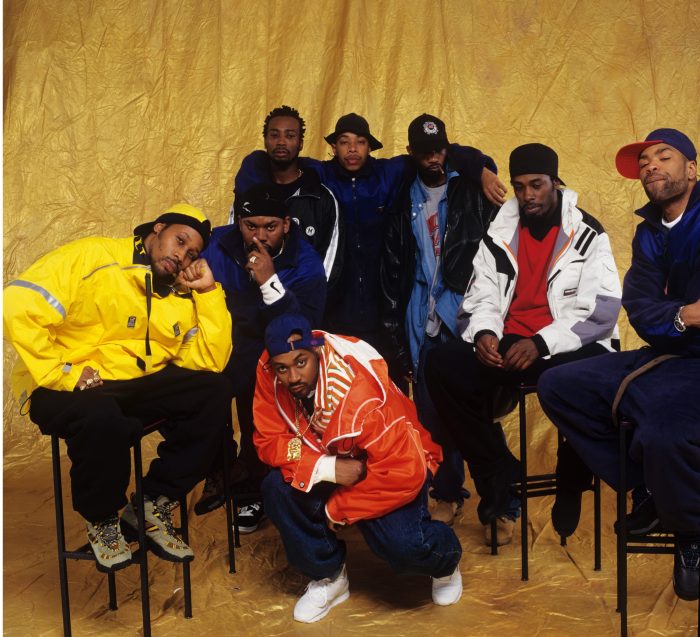
RZA, for example, wanted his crew to get “top of the food chain” money, as he put it, at the group’s peak. Wu-Tang Forever, the group’s second album, debuted at No. 1 on the Billboard charts in June 1997, and it was time to reap the benefits. The group’s unofficial leader understood his team couldn’t make the money they wanted by only performing at clubs and small venues.
That was the thinking behind their partnership with Rage Against the Machine on a summer tour that would not only put them on bigger stages, but also put them in front of a whiter clientele possibly unfamiliar with their music.
“Some people took to it, and some people did not take to it,” said RZA, reflecting on how his group handled the tour’s different dynamics.
That group tension showed itself when Hot 97 came calling. The influential New York City hip-hop radio station wanted Wu at its annual Summer Jam festival. The Shaolin crew, already committed to dates with Rage, found themselves at a proverbial fork in the road.
“We had to make a decision: Come back to your people over here, or stay over here and get big with these guys,” Ghostface Killah said.
They chose Summer Jam. But frustrations over how they felt Hot 97 had treated them boiled over when they hit the stage. Ghostface, never one to hold his tongue, screamed, “F‑‑‑ Hot 97,” and a stadium full of fans at the station’s own premier event screamed with him.
After Summer Jam, Wu walked off the Rage Against the Machine tour, and Hot 97 banned Wu-Tang records with very few exceptions for at least the next 10 years. GZA later argued in the 2019 docuseries Of Mics and Men that because Hot 97 was one of hip-hop’s most influential stations, outlets around the country followed its lead, magnifying the damage to the group’s visibility and reach.
“That affected our sales, that affected our touring. That affected our presence,” Inspectah Deck said.
Before the ban, Wu-Tang group and solo releases regularly debuted near the top of the Billboard charts and ranked among hip-hop’s biggest sellers. Their solo albums found fleeting success during the ban, and each group album did worse commercially than the one preceding it. The group’s public infighting further stalled its momentum, to the point that assembling in the recording studio became an obstacle in itself.
They still did shows in those same club venues RZA believed they outgrew, and always showed up for one another on solo projects. The music evolved along with the men, who matured to the point where doing the type of shows they tried to do in ’97 now felt more within reach.
Bob Berg/Getty Images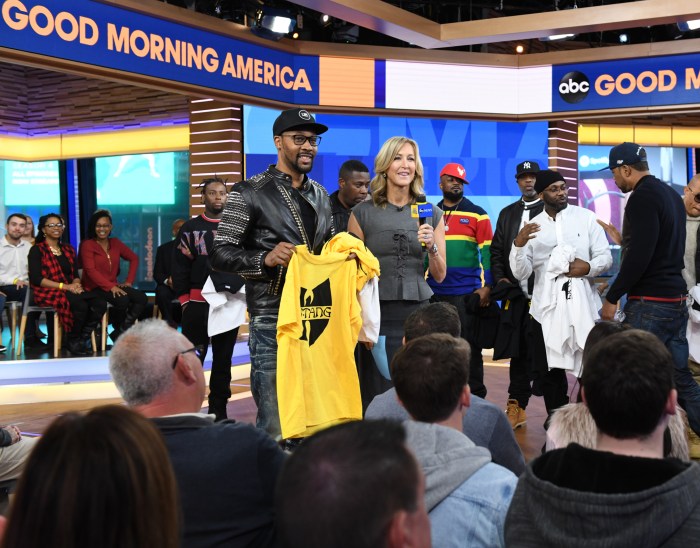
RZA concocted a “relay plan” in 2018 to burnish their legacy. It involved a Showtime docuseries, a Hulu scripted series, a Good Morning America performance, and even a short film. But the biggest part of his plan involved putting the band back together on stages worthy of their status.
“Let’s do a real tour: Wu-Tang and Nas,” RZA said, explaining the thought process behind 2022’s New York State of Mind Tour. “That was the first really big tour that was cohesive.”
This endeavor was the complete opposite of where they were in ’97. While the R.A.T.M. tour was chaotic and uncoordinated, the New York State of Mind shows moved with precision. They included a thematic thread that tied decades of music together with choreography and seamless interplay with other rappers. More importantly, audiences knew what to expect every night, as each member played an integral part in the production. The tour went so well that they went for a second leg in 2023.
“Success breeds success,” RZA said.
There’s a saying about success, timing and preparation. Wu prepared for this moment by learning from what didn’t go well years earlier, but the music world was in a different place.
“When festival culture started in the mid-2000s, many of those festivals wanted everything but rap,” longtime New York Times music critic Jon Caramanica said. “It’s not until the late 2000s into the 2010s that they realize there’s a lot of money on the table for ‘90s hip-hop.”
Promoters saw value in audiences who discovered Wu-Tang as kids and finally had the disposable income to fill arenas and festivals.
The success of those tours, combined with growing demand for legacy hip-hop acts, led to a 2024 Las Vegas residency. Rather than relying solely on a DJ, the residency featured a nine-piece band and martial arts movie imagery on display as they performed.
“I think we’re taking this a little bit more serious,” Masta Killa said. “You know, not that we don’t take what we do serious, but this is truly special to us. And, you know, we’re not playing with it.”
Between tour dates, Wu-Tang also took the stage at halftime of the NBA Finals at Madison Square Garden. Between that, the residency, the Hall of Fame induction and now an NFL Thanksgiving halftime show, the group has continued to cement its place in the mainstream.
Kevin Mazur/Getty Images for RRHOF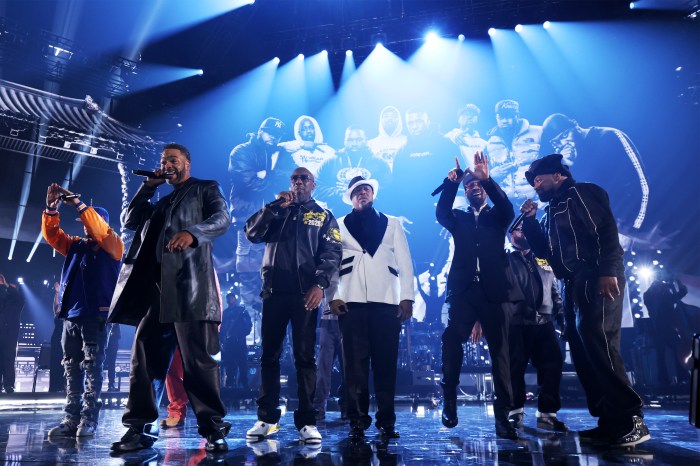
Wu-Tang’s return culminated in last year’s Final Chamber Tour, which, in typical Wu fashion, built on everything that came before it. Playing in arenas and amphitheaters, this tour spanned a year around the globe, and even became a joint function with Bone-Thugs-N-Harmony. Wu segued from putting a bow on what’s billed as their final tour last month to a Rock and Roll Hall of Fame induction two weeks ago.
On the eve of Wu-Tang Clan’s Thanksgiving performance in front of audiences high on football, family and tryptophan, it’s hard not to reflect on its journey. Despite having its popularity and momentum being undercut at a pivotal moment, the group ultimately reached levels of mainstream visibility and institutional recognition that once seemed unlikely. The journey was unconventional, unpredictable and sometimes untamed. But it was always Wu.
Method Man wasn’t exaggerating during his induction speech on that Los Angeles stage: They really did go from being banned on the radio to entering the Rock and Roll Hall of Fame. On Thanksgiving Day, the journey continues.
The post How Wu-Tang Clan went from a radio ban to a Thanksgiving halftime show appeared first on Andscape.
What's Your Reaction?
 Like
0
 Dislike
0
 Love
0
 Funny
0
 Angry
0
 Sad
0
 Wow
0