








Everything to know about Justice Department release of Jeffrey Epstein files

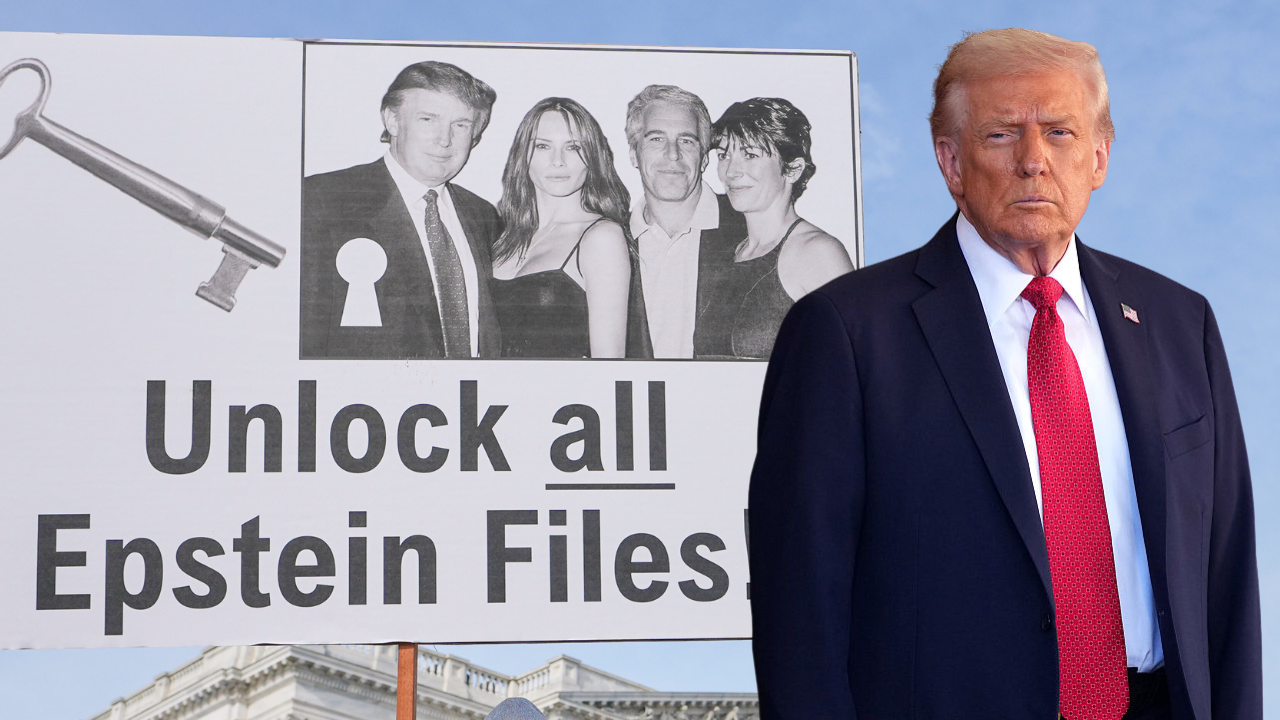
Among the thousands of records released are photos, call logs, grand jury testimony, and interview transcripts.
The Department of Justice on Friday released some of its records related to its investigations of Jeffrey Epstein. The convicted sex offender and wealthy financier known for his connections to some of the world’s most powerful people, including President Donald Trump, who long sought to keep the files sealed.
Among the thousands of records released are photos, call logs, grand jury testimony and interview transcripts. Many of the documents have been redacted and at least some have already been in the public domain. DOJ authorities acknowledged in a letter to Congress obtained by The Associated Press that the complete files were not released and the department expected to disclose more by the end of the year.
The White House said the release of the files, mandated by a law passed by Congress, shows how the Trump administration is the “most transparent in history.”
Many photos released by the Justice Department were put out without context or explanation, making it difficult to determine what relevancy, if any, the images had to the criminal investigations.
Here’s the latest:
House Oversight Committee is seeking testimony from Clintons
Long before the DOJ’s release of case files on Epstein — which included several photos of former President Bill Clinton — Republicans had honed in on his association with the wealthy financier.
Republicans on the House Oversight Committee had subpoenaed both Bill and Hillary Clinton for depositions earlier this year, but received a response that the Clintons wanted to provide a written statement of what “little information” they had on Epstein.
The Republican chair of the committee, Rep. James Comer, has demanded they appear for in-person testimonies and threatened to initiate contempt of Congress proceedings if they don’t.
Multiple former presidents have voluntarily testified before Congress, but none has been compelled to do so. Clinton has never been accused of wrongdoing in connection with Epstein, and the mere inclusion of someone’s name or images in files from the investigation does not imply otherwise.
Epstein accuser calls for files to be fully released
Marina Lacerda, one of the women who says she survived sexual assault by Epstein, beginning when she was 14 years old, said Friday she wanted to see greater transparency from the Justice Department and expressed frustration that all the files aren’t out yet.
“Just put out the files,” she said. “And stop redacting names that don’t need to be redacted.” She said she was skeptical of the administration saying it’s aiming to be transparent.
“In the beginning, they were calling us a hoax, right?” she said. “Now they’re like, ‘We believe you, we’re gonna release the files,’ but yet you still haven’t released the files and it’s not even fully transparent.”
White House aides zero in on Clinton photos
Senior Trump White House aides are taking to X to promote photos in the Epstein files that show Bill Clinton with women whose faces are redacted. Clinton has never been accused of wrongdoing in connection with Epstein, and the mere inclusion of someone’s name or images in files from the investigation does not imply otherwise.
Karoline Leavitt, the White House press secretary, wrote “Oh my!” and added a shocked face emoji in response to a photo of Clinton in a hot tub with a woman whose face was redacted.
In another post, Steven Cheung, the White House communications director, wrote: “Slick Willy! Bill Clinton just chillin, without a care in the world. Little did he know …” and included a photo of the former president with his arms around someone whose face was also redacted.
More than 1,200 people identified as Epstein victims or their relatives
The Justice Department says more than 1,200 people were eventually identified as victims of Epstein or their family members. That disclosure came in a letter that DOJ sent to Congress discussing how they reviewed the Epstein files and prepared them for public release.
During the review process, DOJ asked lawyers representing Epstein’s victims to provide those peoples’ names, whether they were previously identified or not. That process led to more than 1,200 people being identified.
“The Department has redacted reference to such names,” Blanche wrote in the letter, obtained by the AP. “In addition to redacting the names of these victims, the Department has also redacted and is not producing any materials that could result in their identification.”
There are few photos of Trump in this release
The released files include a small number of photos of Trump which appear to have been in the public domain for decades, including two in which the president and Epstein are posing with now-first lady Melania Trump.
The photo was taken in February 2000 at an event at Trump’s Palm Beach club, Mar-a-Lago, before the pair’s friendship ruptured.
Lawmakers say the DOJ must set out timeline for full release
Democratic Rep. Ro Khanna of California said the release so far has been “disappointing.”
Khanna, who worked in Congress with Republican Rep. Thomas Massie of Kentucky on legislation to force the release the files, said they will explore “all options” to ensure compliance with the law.
If Justice Department officials need more time to review, he said, they need to publicly explain their timeline for release.
How the DOJ described its redaction process
The Justice Department discussed in detail how it is making decisions on what files to withhold and what files to release. That review protocol was outlined in a six-page letter that Blanche sent to Capitol Hill and was obtained by the AP.
It redacted material that included personally identifiable information about victims, that depicted child sexual abuse materials, that could jeopardize ongoing investigations, or showed images of death, physical abuse or injury.
Material was also withheld if it included classified national security information, and a “limited amount of information” was withheld if it involved certain privileges, such as attorney-client privilege.
In contrast, DOJ attorneys said all unclassified information involving Jeffrey Epstein — including details of criminal investigations and of his detention — and Ghislaine Maxwell could be released.
Other information that could be released, according to DOJ: Flight logs or travel records for aircraft or vehicles used by Epstein, internal DOJ communications on investigations into Epstein and his associates, and details of any immunity deals.
More than 200 DOJ lawyers worked on Epstein file release
The team that reviewed and prepared the documents for public release included more than 200 Justice Department lawyers, according to a DOJ letter sent to Congress.
In that letter, obtained by the AP, Blanche said 187 lawyers from DOJ’s national security division reviewed all the files to determine what should be released.
Then, 25 attorneys, deemed a “quality control team,” worked to ensure that information that personally identified victims was redacted. Those lawyers came from the DOJ’s Office of Privacy and Civil Liberties and the Office of Information Policy. Lawyers from the Southern District of New York also reviewed the material to confirm that personal information was appropriately redacted.
What Democratic lawmakers could do to force complete release of Epstein files
Democrats in Congress say they are reviewing all their legal options as they assess the Department of Justice’s release of the Epstein files, which they say is not a full release of documents.
Lawmakers could go to court to force the Justice Department to comply with the law passed earlier this year forcing the release, but that would almost certainly be a lengthy process that plays out while the Justice Department releases more files.
Separately, the House Oversight Committee has issued a subpoena for the Epstein files. That could give Congress another avenue to force the release of more information to the committee, but it would require Democrats to convince Republicans to join them in contempt of Congress proceedings. It would be highly unusual for GOP lawmakers to take such a move against a Republican administration.
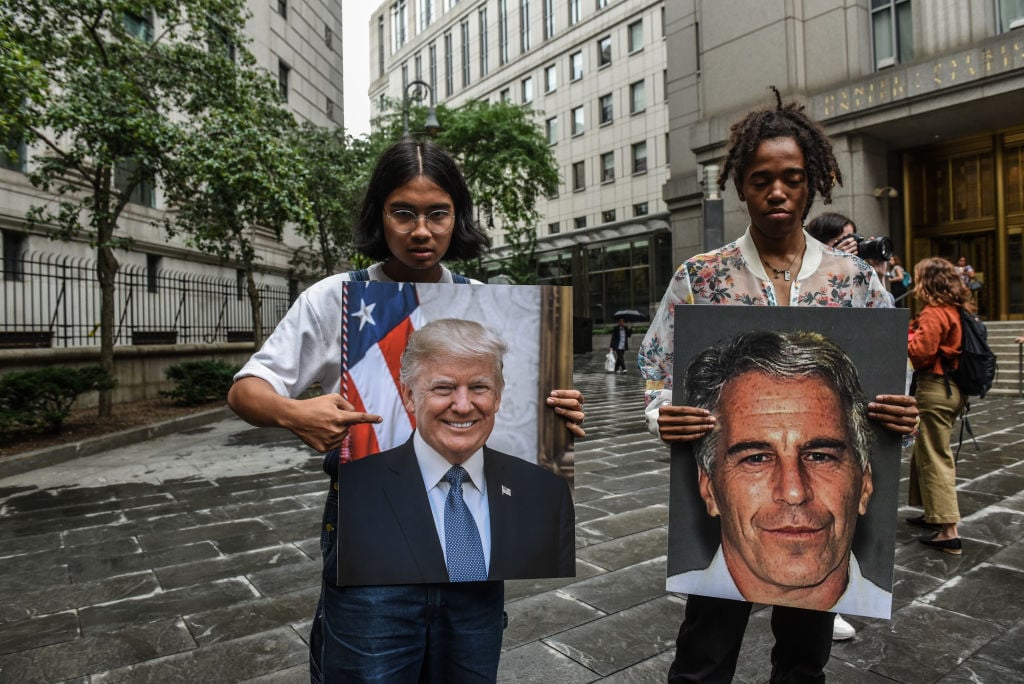
Democratic senator vows to use ‘all avenues and legal tools’ for full release of documents
Democratic Sen. Jeff Merkley of Oregon expressed frustration that the Trump administration had not taken steps to “appropriately redact the Epstein Files to prepare them for release” of their own accord over the last year.
“Instead of meeting the legally required deadline today to release all of the files, they have chosen to illegally disregard the law I led the fight in the Senate to pass,” Merkley said. “By failing to comply, the Administration is openly denying ‘equal justice under the law’ to all of Jeffrey Epstein’s victims.”
Merkley continued: “I’ll keep fighting to release all the Epstein Files and am exploring all avenues and legal tools to get justice for the victims and transparency for the American people.”
Justice Department acknowledges production is incomplete
In a letter to Congress obtained by the AP, Deputy Attorney General Todd Blanche wrote that the Justice Department was continuing to review files in its possession and expected additional disclosures by the end of the year.
The Justice Department also said it was withholding some documents under exemptions allowed in the law and was redacting names of victims.
Blanche wrote that the department will “continue to add to the public website materials that are responsive under the Act and the Department will inform Congress when that review and production are complete by the end of this year.”
Several photos of former President Clinton are in the documents released by the Justice Department
Some show Clinton on a private plane, including one with a woman whose face was redacted from the photo sitting on his lap. Another photo shows him in a pool with Maxwell and a person whose face also was redacted.
Another photo shows Clinton in a hot tub with a woman whose face was redacted.
The files do not say when the photos were taken.
Clinton has never been accused of wrongdoing in connection with Epstein, and the mere inclusion of someone’s name or images in files from the investigation does not imply otherwise.
Clinton minimized his relationship with Epstein, acknowledging that he traveled on Epstein’s private jet but saying through a spokesperson that he had no knowledge of the late financier’s crimes.
White House responds to DOJ’s release of Epstein files
The White House said the release of the Jeffrey Epstein files, which began Friday afternoon, shows how the administration is the “most transparent in history.”
“By releasing thousands of pages of documents, cooperating with the House Oversight Committee’s subpoena request, and President Trump recently calling for further investigations into Epstein’s Democrat friends, the Trump Administration has done more for the victims than Democrats ever have,” said a White House spokeswoman, Abigail Jackson.
Jackson pointed to other Democrats who have had ties to Epstein, such as Delegate Stacey Plaskett, who had received text messages from Epstein during a 2019 House hearing with Michael Cohen, Trump’s former fixer.
DOJ tells public to flag any identifying information that should’ve been hidden
The Justice Department said “all reasonable efforts have been made to review and redact personal information pertaining to victims, other private individuals, and protect sensitive materials from disclosure.”
However, in a notice posted with the files, the department warned that some may have been missed as it rushed to get records online. Because of the volume of information involved, the release “may nevertheless contain information that inadvertently includes non-public personally identifiable information or other sensitive content, to include matters of a sexual nature,” the notice said.
The department asked members of the public to notify it promptly of any information that should not have been posted “so we can take steps to correct the problem as soon as possible.
”The law mandating the release, the Epstein Files Transparency Act, requires the Justice Department to make such redactions.
AP reporters are reviewing the files
Compiling accurate and thorough information takes time. A team of AP reporters is working to confirm information released by the Justice Department regarding Jeffrey Epstein.
These standards guide our reporting process:
__ We generally do not identify those who say they have been sexually assaulted or subjected to extreme abuse
__ We must make significant efforts to reach anyone who may be portrayed in a negative way in our content
__ We will not knowingly introduce rumor or false information into material
__ We abhor inaccuracies, carelessness, bias or distortions
__ We always strive to identify all the sources of our information
What’s inside the released files
Among the thousands of records released by the Justice Department are photos, call logs, grand jury testimony and interview transcripts. Many of the documents have been redacted and at least some have already been in the public domain.
Some of the photos and transcripts feature Epstein and his longtime confidant, British socialite Ghislaine Maxwell.
Maxwell was charged with recruiting underage girls for Epstein to abuse. She was convicted in late 2021 and is serving a 20-year-prison sentence.
The files also included video clips from inside the Metropolitan Correctional Center in New York City from the day Epstein died by suicide in his jail cell. The video clips had already been released previously by the Justice Department and officials have said for years they showed no one else entering the area around Epstein’s cell before he was found dead.
Files appear online after a waiting room-like queue
High interest led the Justice Department to regulate access to its Epstein files website for a time.
The webpage went live Friday afternoon with a waiting room-type queue akin to what concertgoers sometimes see when they go online to purchase tickets.
Visitors were greeted with the message: “You are in line for Department of Justice web content. When it is your turn, you will have 10 minutes to enter the website.”
The webpage then refreshed to reveal a landing page with various categories of documents, including court records and other disclosures.
What's Your Reaction?
 Like
0
Like
0
 Dislike
0
Dislike
0
 Love
0
Love
0
 Funny
0
Funny
0
 Angry
0
Angry
0
 Sad
0
Sad
0
 Wow
0
Wow
0