![Trump Canceled The Execution Livestream, But The White Lynching Culture That Made It Thinkable Is Still Alive [Op-Ed]](https://newsone.com/wp-content/uploads/sites/22/2026/10/17921727345582.jpg?quality=80&strip=all&w=1024&crop=0,0,100,789px#)







As a ‘A Different World’ returns, Debbie Allen says Black stories, like Black people, aren’t going anywhere


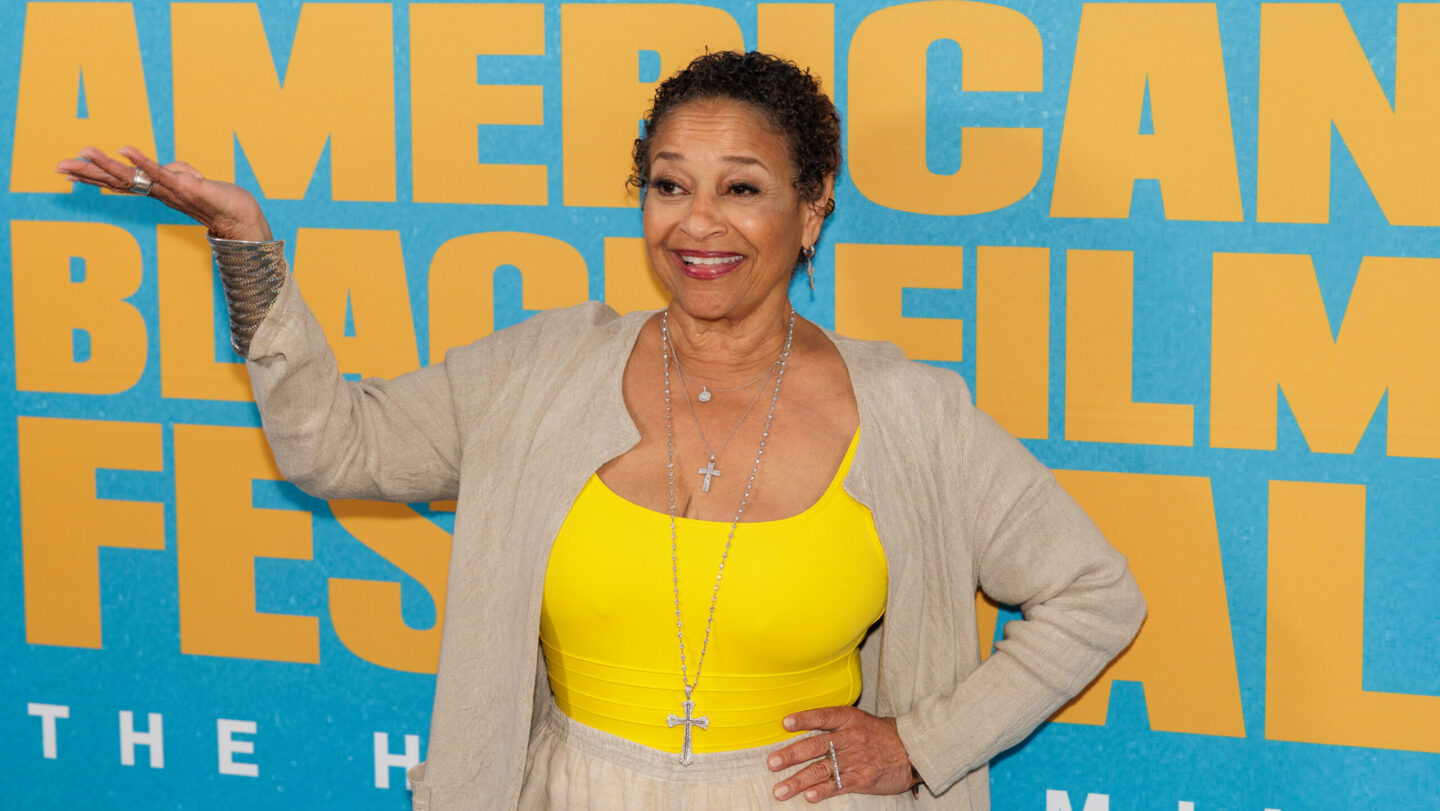
Debbie Allen, Felicia Pride, and Maleah Joi Moon open up about reimagining “A Different World” for an audience today.
The team behind Netflix’s upcoming sequel to “A Different World” says the beloved sitcom is returning at a moment when stories about Black life, and the magnitudes that they can contain, feel more necessary than ever.
During Netflix’s American Black Film Festival panel in Miami Beach in late May, featuring stars and creators of some of the streamer’s hit Black shows, “A Different World” creator Debbie Allen, showrunner and executive producer Felicia Pride, whose writing credits include “Grey’s Anatomy,” “Queen Sugar,” and “Bel Air,” and the series’ star Maleah Joi Moon, the Tony Award-winning actress from “Hell’s Kitchen,” opened up about bringing the series back now.
“We passed the torch rather easily,” Allen said. “The time right now, it couldn’t be better than right now to hear and see where young Black America is. What do we think about? What are our dreams? What are our hopes? What are our brick walls, our glass ceilings?”
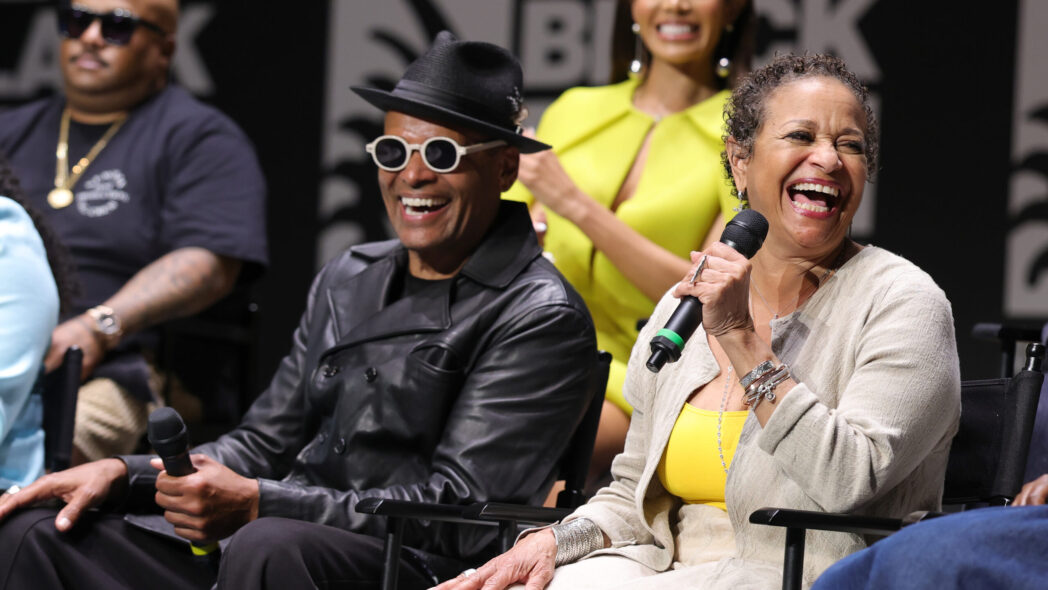
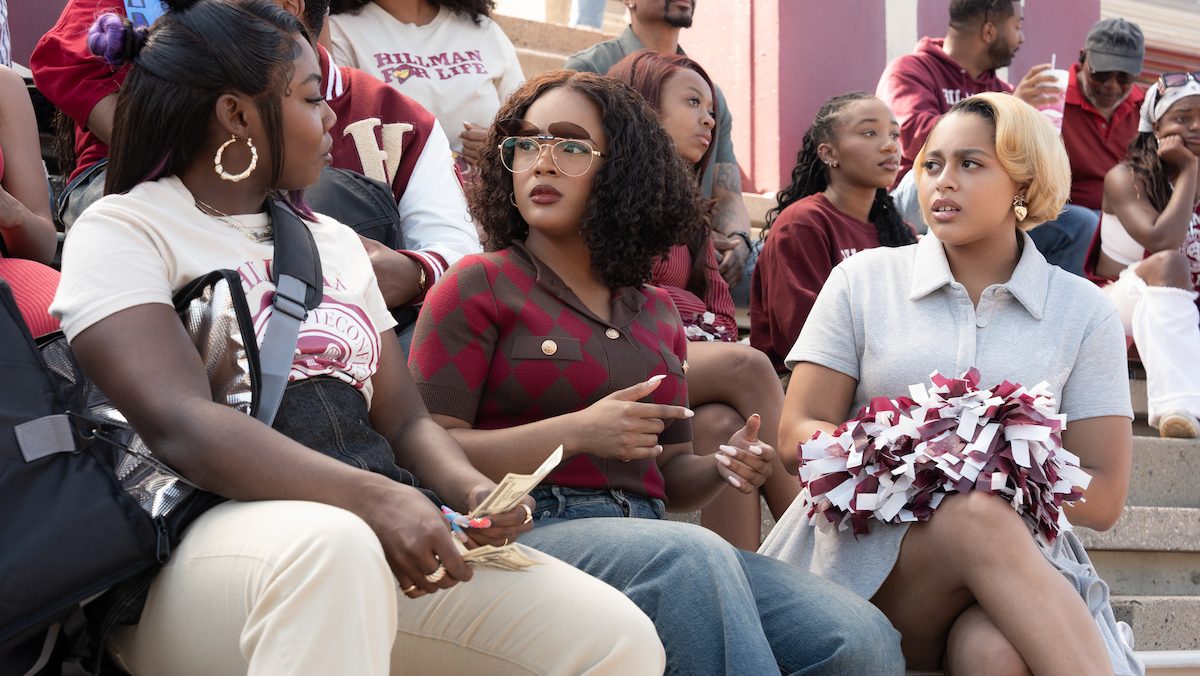
The upcoming sequel will follow what happens when Deborah (Joi Moon), the daughter of original stars Whitley Gilbert and Dwayne Wayne, returns to Hillman College, the fictional HBCU where the original series took place. The groundbreaking sitcom aired from 1987 to 1993. While the technology, politics, and pressures facing young people have evolved, at least in some ways, since the show first debuted nearly four decades ago, it doesn’t mean there aren’t still social issues worth tackling. It’s landing at a time when Black history, literature, critical race theory, DEI initiatives, and whose stories deserve to be told continue to be threatened nationwide.
“We’re still out there on the ground fighting,” Allen said.
“We got a Supreme Court turning laws around. We have a president that is starting wars, fighting at the gas pump, we’re fighting [for] education, what books our kids can read,” Allen continued. “We’re still in battle, and we were in battle then. We thought we kind of moved the needle, and now it’s kind of trying to roll back, but in the middle of all of that is a different world.”
Pride said much of the work of returning to Hillman was about figuring out what “A Different World” looks like for a new generation coming of age.
“What was important to us was maintaining what made the original so special, and that feeling that the original gave me,” she said.
She added, “One of the things that I think about a lot is wanting the sequel to feel like a warm hug and to be full of heart and love and community and friendship, but also to have the political consciousness that the original series had.”
While the original tackled everything from racism and HIV/AIDS to domestic violence and apartheid, the showrunner said the new series asks many of the same questions through a different lens.
“We really focused on bringing all the legacy things that made us feel good, made us think, made us push forward, and then apply it to a new lens, a social media first lens, a digital lens that is living in state violence, that is living in globalization,” she said. “What do they have to say? What do they need, and wanting to hear from them, and see them reflected.”
That idea of reflection was something Moon returned to repeatedly while discussing Deborah.
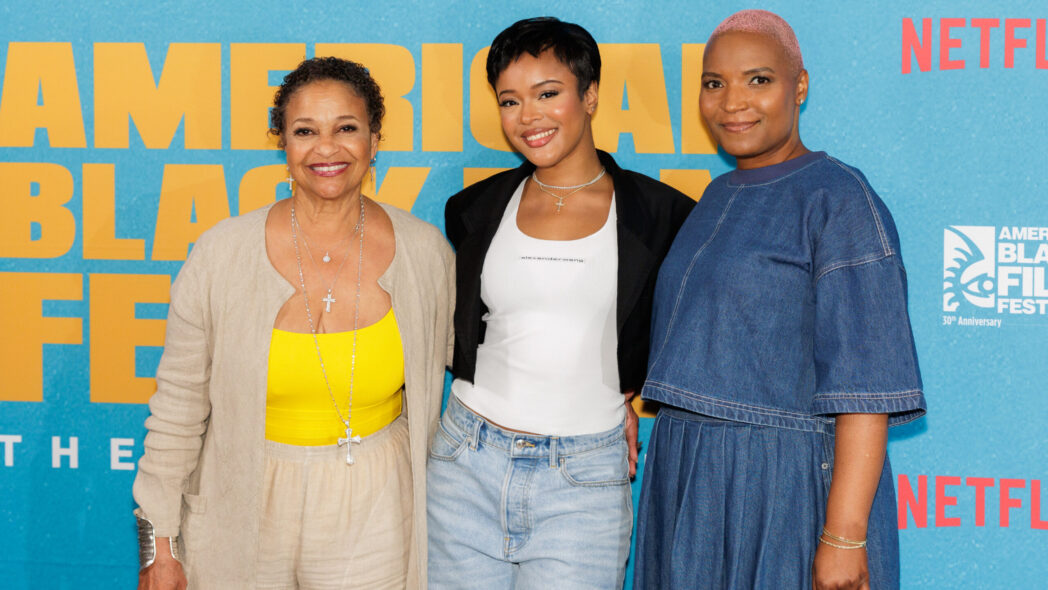
“As a leading lady, in particular, you know, and having people having screen time and things like that, or being number one on the call sheet or whatever, my responsibility is to uphold legacy, to carry the torch, and to be a reflection,” Moon said.
The actress said one of the biggest differences between the original series and the forthcoming sequel is the reality of growing up in today’s digital age, where young people are exposed to a constant stream of information and pressure.
“It’s amazing that people who look like me will get a chance to see themselves reflected in three dimensionality,” Moon said. “You don’t have to have it all together. You are allowed to be a human being.”
That commitment to showing the fullness of Black life extends beyond the characters themselves and into Hillman College, which Pride described as a character in its own right.
“What does it mean to be young and Black and gifted in this moment? And what does Hillman look like?” Pride said. “Those are the questions that guided the writers’ room and the production of everything.”
For Allen, answering those questions never meant recreating the original series beat for beat. The goal, she said, was preserving its spirit while allowing it to evolve. And evolve it certainly has. Allen described the expanded scope of the production, from filming on a sprawling campus complete with a football field and a fully reimaged Pit, the hot spot for students to gather and mingle from the original series.
“It’s not going back,” Allen said. “Like I say, the same river, but it’s different water. Can’t step in that same water, it’s gone. So you got to know where you are in the river, so you can navigate.”
At the top of the panel, the moderator asked each of them for a one-word description, all things considered, of Black television in the current climate. The panel landed on words like “necessary,” “resilient,” “freedom,” “expansive,” and more.
Allen, who chose “resilient,” added, “Black culture is American culture, and it’s not going anywhere, no matter what they try to do. We will always be the pulse, we will always be the heart and the soul of what happens, and we will be imitated, copied, and related, but we will always be.”
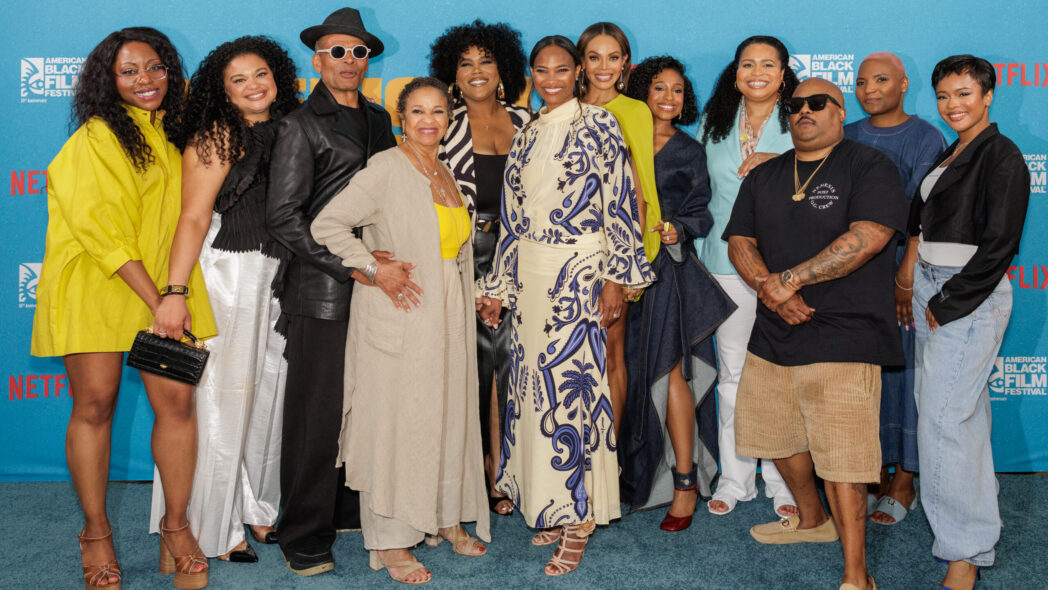
“It’s joy,” Michelle Buteau, who was on the panel along with Courtney Kemp, Mario Van Peebles, Tani Marole, Crystle Stewart, Nina Parker, Amy Aniobi, and Taylor Polidore Williams, said.
“No matter what, like, you know, this administration, they cannot take our joy and our edges.”
“A Different World” will be premiering on Netflix on September 26.
What's Your Reaction?
 Like
0
Like
0
 Dislike
0
Dislike
0
 Love
0
Love
0
 Funny
0
Funny
0
 Angry
0
Angry
0
 Sad
0
Sad
0
 Wow
0
Wow
0