











What Is Driving The Decline In Public School Education Enrollment Across The US?


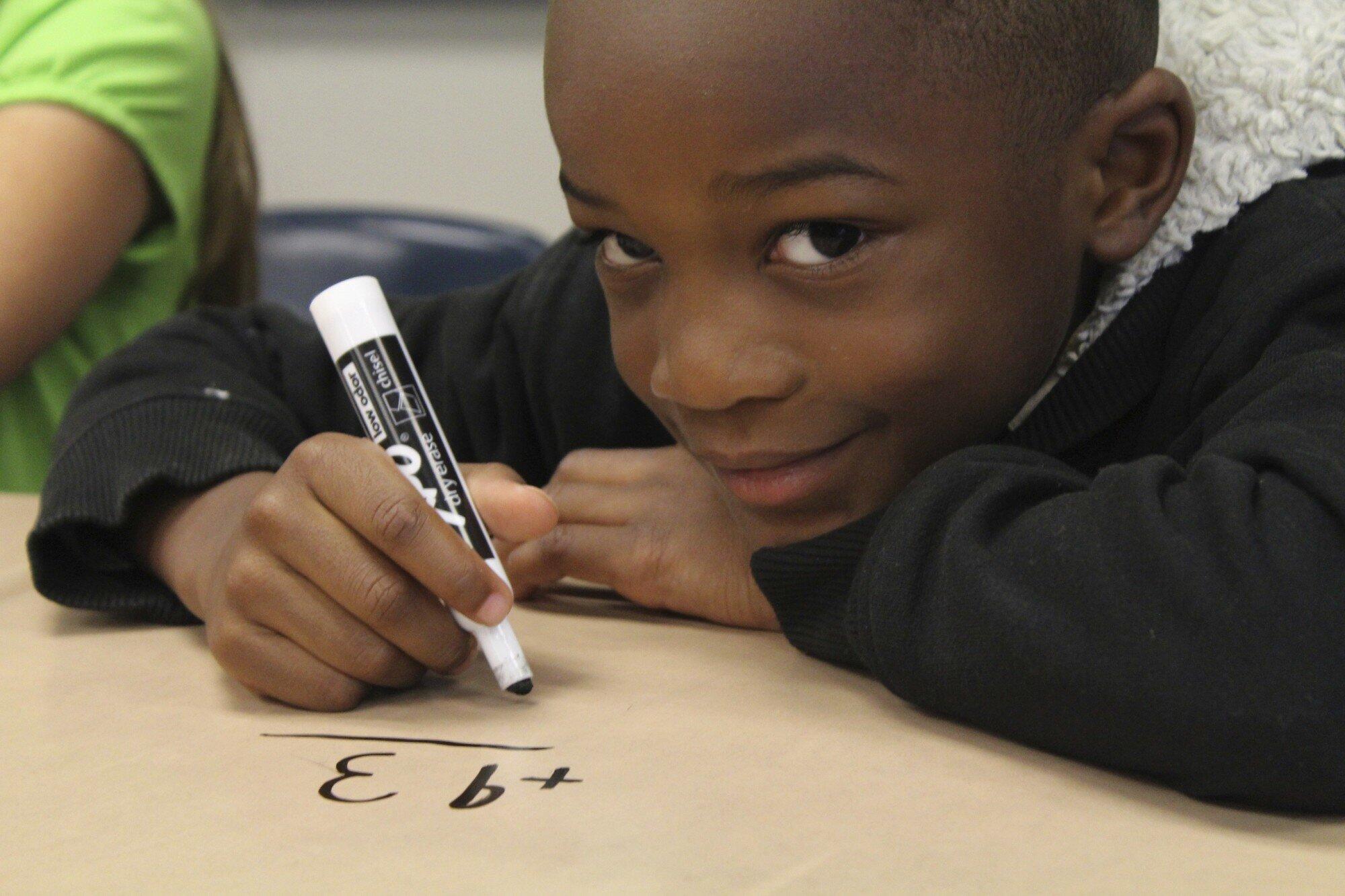
Falling birth rates, low budgets and funding cuts, and a rapid expansion of school choice are the few forces most responsible for the decline in traditional public school enrollment, and they are all accelerating. Between fall 2019 and fall 2023, public school enrollment dropped from 50.8 million to 49.5 million, a loss of more than 1.2 million students, and the National Center for Education Statistics projects the number will fall below 47 million by 2031.
Understanding what’s driving families away from traditional public school is the first step toward seeing what’s actually at stake.
Why Is Public School Enrollment Declining?
The forces behind this decline aren’t singular; they stack on top of each other in ways that make the overall picture harder to reverse. Jamie Sowers, Ed.D., Clinical Advisory Team Director at Blazerworks in Denver, a special education staffing agency in Tampa, Fla., frames it plainly: “Declining birthrate is the main driver of declining enrollment in the United States. After that, we’re seeing a combination of non-traditional increases in enrollment, including homeschooling, private schools, and charter schools.”
Birth Rates Are One of The Biggest Reasons
The generational math behind enrollment decline starts before a child ever reaches kindergarten. The U.S. birth rate hit its lowest point on record in 2024, down from 2.1 children per woman in 2007 to just under 1.6, which means the number of children entering the school-age pipeline shrinks a little more every year.
The Rise of School Choice
According to data cited by Angira Sceusi, Executive Director of RedefinED Atlanta, drawing from Brookings, Education Next, and FutureEd research, the share of students in traditional public schools held near 85% before the pandemic and dropped below 80% after it, and hasn’t climbed back. Homeschooling remains 56% higher than pre-pandemic levels, and charter school enrollment added a net 400,000 students over five years, per Stateline.
How Does Declining Enrollment Affect School Funding?
Most states tie school funding directly to the number of students enrolled. However, when students leave, the dollars follow, and the fixed costs of running a school don’t shrink at the same rate. Teacher salaries, utilities, building maintenance, and transportation costs largely stay constant even when classrooms empty out, which means the students who remain inherit an increasingly strained system operating on a compressed budget.
What Gets Cut When Budgets Shrink
When a school loses students, the programs that keep students engaged, supported, and emotionally stable enough to learn are usually the first to go, and that reduction matters significantly. Sceusi of RedefinED Atlanta is direct about what gets cut: “As budgets tighten, students often bear the consequences: schools cut arts programs, electives, and extracurriculars, and eliminate staff positions like counselors, librarians, and mental health professionals.”
Dr. LaTonya M. Turner, Founder of 2CL Consulting, LLC in Indianapolis, has watched this cycle play out over decades as a teacher, school counselor, principal, and former dean. “I’ve watched public education shift in ways that now hit Black and low-income families the hardest here in Indianapolis, and the pattern is hard to ignore.”
The Impact on Black Communities Is Not an Accident
When you look at where enrollment decline hits hardest, a clear pattern emerges that reflects decades of disinvestment rather than simple demographic math. In majority-Black districts, nearly a third of students have left traditional public schools, a rate almost twice as large as in white or Hispanic districts, according to Brookings Institution research. The closures that follow enrollment loss also fall disproportionately on Black neighborhoods.
How Does This Look On the Ground?
Jemia Cunningham-Elder, CeO of North Lawndale College Prep in Chicago’s West Side, describes what this looks like on the ground: “Public school enrollment decline in cities like Chicago is inseparable from the broader question of why families, especially Black families, are leaving altogether. In North Lawndale, we’re watching a community shrink in real time, driven not by any single cause but by compounding ones.”
Where Public Education Goes From Here
Enrollment decline doesn’t have to mean permanent deterioration, but it requires decisions that put children at the center rather than spreadsheets. Some schools have reversed the trend by investing in what actually keeps families.
Dr. Joshua Barnett, CEO of the National Institute for Excellence in Teaching (NIET) in Scottsdale, Ariz., points to Northview Middle School in Indianapolis, which increased its student population by 200 students in a single school year by investing in teacher quality and instructional support.
The school received NIET’s national Founder’s Award and a $50,000 prize for this approach, proof that a school serving a large population of minority and low-income students can reverse the national trend when leadership makes the right investments. Families navigating these decisions for their own children in America have options worth exploring, including the Legacy Traditional East Mesa campus in Arizona, which reflects the kind of intentional school culture families consistently cite as a reason to stay.
Frequently Asked Questions
Is Public School Enrollment Declining Everywhere in the U.S.?
No, the decline is uneven, as some districts are losing students rapidly, particularly in urban areas with high housing costs and high concentrations of Black and low-income families. Other districts in growing suburban regions have seen modest gains. The Brookings Institution projects traditional public school enrollment could fall by 2.9 to 6.6 million students over the next 25 years, but the distribution of those losses will not be equal.
Why Are Black Families Leaving Public Schools at Higher Rates?
Research consistently shows that Black families leave public schools for reasons that go beyond academic performance, such as safety, a sense of belonging, and whether the institution has demonstrated it actually sees and values their children. When a school has over-policed Black students, failed to respond to bullying, or delivered consistently poor outcomes, the departure of families isn’t a rejection of education itself. It’s a rational response to an institutional experience that hasn’t worked for them.
Reversing the Decline in Traditional School Will Take Work
The decline in public school enrollment is not a single-cause problem, and it won’t have a single-cause solution. Falling birth rates, funding cuts, and school choice expansion are all pulling in the same direction, and Black and low-income communities absorb the sharpest consequences when education systems shrink around them.
Want to read more coverage of the issues shaping Black communities, education policy, and the fight for equity? Keep on exploring the articles on this site.
What's Your Reaction?
 Like
0
Like
0
 Dislike
0
Dislike
0
 Love
0
Love
0
 Funny
0
Funny
0
 Angry
0
Angry
0
 Sad
0
Sad
0
 Wow
0
Wow
0