




What Black Americans should know about the partial government shutdown

As parts of the government close, Black Americans face heightened exposure to furloughs, pay delays, and service disruptions
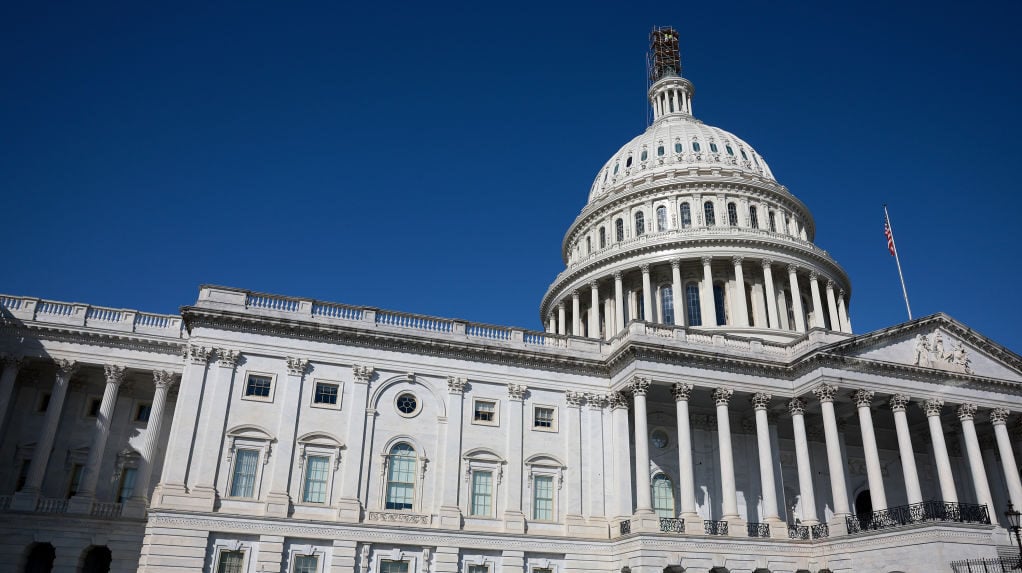
Dozens of federal agencies saw their funding lapse at 12 a.m. Saturday (Jan. 31), triggering a partial government shutdown that immediately furloughed workers, halted routine operations, and disrupted services tied to federal funding.
While the shutdown only involves portions of the government, with nonessential agencies closing and “essential” employees required to continue working without pay until Congress reaches a funding agreement, it stems from unresolved budget negotiations in Washington. Its consequences are already unfolding nationwide. For Black Americans, who are disproportionately represented in the federal workforce, the disruption carries heightened economic and social stakes.
According to U.S. Department of Agriculture data, Black Americans also comprise about 26% of SNAP participants despite representing roughly 12% of the U.S. population, underscoring how funding lapses and service disruptions can disproportionately affect Black communities even during short shutdowns.
Why the shutdown is happening
The partial shutdown stems from a breakdown in budget negotiations, as lawmakers failed to reach a consensus on federal spending levels and policy conditions tied to funding bills. Disputes over immigration enforcement, government oversight, and the size of federal programs stalled progress ahead of the funding deadline.
Without an agreement or a temporary extension in place, funding for certain agencies expired automatically, triggering shutdown procedures. While leadership on both sides has signaled a willingness to resolve the impasse, negotiations remain tense, with neither party wanting to be blamed for prolonged disruption.
How both political sides are framing the standoff
Republicans backing the funding fight argue that the shutdown reflects a need for stricter budget discipline and policy reforms. Some view the disruption as a necessary pressure point to rein in federal spending or force concessions on issues they see as urgent.
Democrats counter that shutdowns are a political strategy that harms working families and federal employees while doing little to address underlying fiscal challenges. They argue that keeping the government open should be non-negotiable and that budget disputes should not come at the expense of workers’ livelihoods.
Lost in much of the partisan back-and-forth is how shutdowns reinforce existing inequities, particularly for communities already navigating economic instability.
This isn’t new, and the outcomes are familiar
Government shutdowns are not unprecedented. The longest in U.S. history, from late 2018 into early 2019, left hundreds of thousands of federal workers unpaid for more than a month. Many turned to food banks, borrowed money, or missed essential bills before Congress ultimately reached a deal.
That shutdown ended not with a sweeping policy victory, but with mounting public pressure and recognition that the human and economic costs were unsustainable. The current impasse follows a similar pattern, raising concerns that workers and families will again shoulder the burden of political deadlock.
What happens next
Lawmakers are expected to continue negotiations, with short-term funding extensions likely used as temporary fixes if a broader deal remains out of reach. However, repeated stopgap measures risk prolonging uncertainty for workers and slowing government operations even after funding is restored.
Until a resolution is reached, federal employees and communities dependent on public services remain in limbo.
Why this matters right now
The shutdown comes at a moment when many Black households are already under financial strain from inflation, housing costs, student loan payments, and healthcare expenses. A missed paycheck or delayed service can quickly escalate into a larger crisis.
For Black Americans, the shutdown translates Washington dysfunction into immediate economic risk.
What's Your Reaction?
 Like
0
Like
0
 Dislike
0
Dislike
0
 Love
0
Love
0
 Funny
0
Funny
0
 Angry
0
Angry
0
 Sad
0
Sad
0
 Wow
0
Wow
0