









The History Of Black August And Notable Figures In The Movement

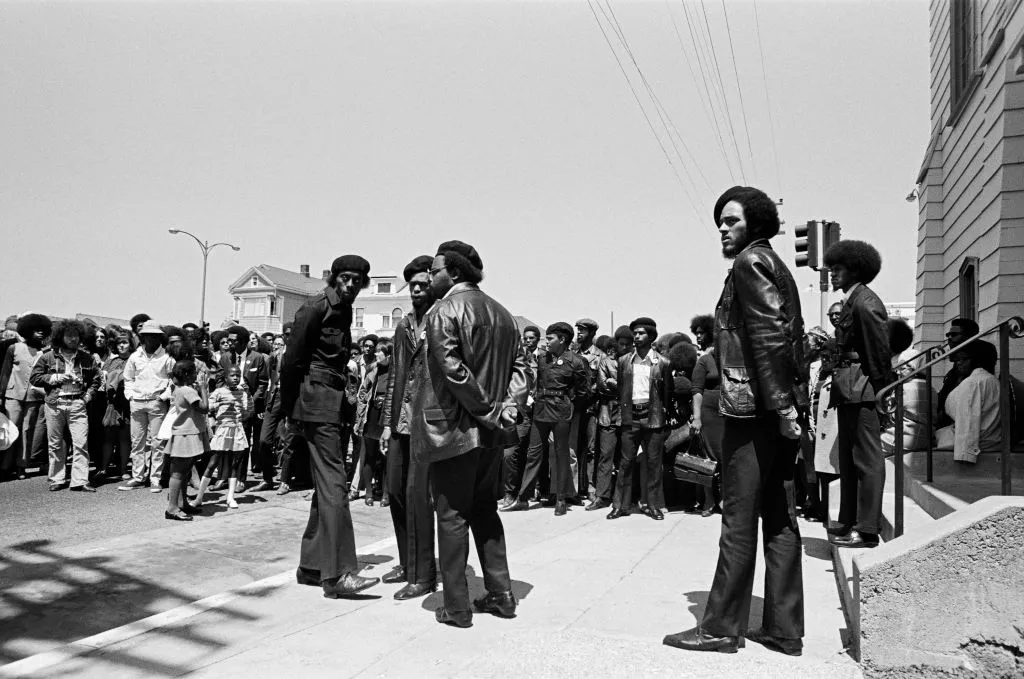
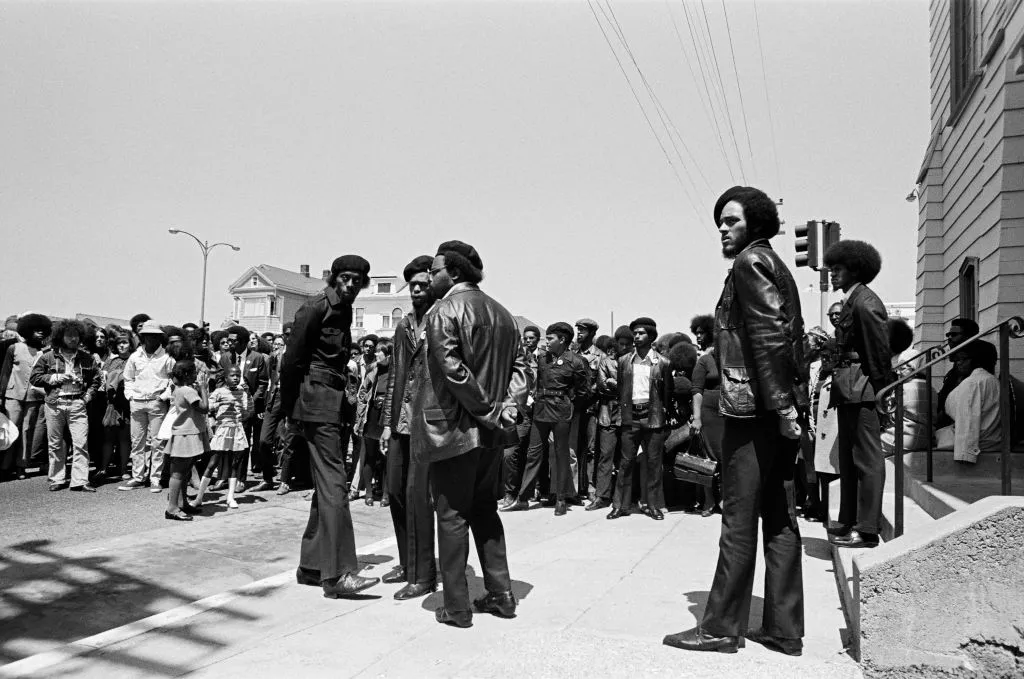
Black August is an annual recognition of Black freedom fighters, political prisoners, and key figures who fought against racism, bigotry, and oppression. With nearly five decades in existence, Black August and its grand purpose is more important than ever to acknowledge and uphold these inspirational figures—and the notable names below are worth examining.
Black August’s roots can be traced back to 1979 in San Quentin Prison in California, with the Black Guerilla Family stating that the month was to commemorate the 1971 death of activist and author George Jackson and his brother, Jonathan Jackson.
The eldest of the Jackson brothers, George was arrested in 1960 for robbing a Los Angeles gas station of $71 dollars, and was given the harsh sentence of one year to life, and he spent the rest of his days behind bars. Jackson befriended W.L. Nolen, who exposed Jackson to the texts of Karl Marx, Mao Zedong, and Vladimir Lenin.
This moment radicalized Jackson, who later co-founded the Black Guerilla Family with Nolen. The pair were later transferred to Soledad State Prison with Fleeta Drumgo and John Clutchette. The men were housed in the notorious maximum security “O Wing” designed to rob the men of their humanity and dignity. Jackson and his fellow Soledad Brothers defied the limits of their circumstances as best they could.
Those who have studied the life of George Jackson know full well of the connection he and the Soledad Brothers had with philosophy professor Angela Davis. Professor Davis took up the cause for Jackson, befriending his younger brother, Jonathan, and serving as a public mouthpiece for the “Soledad Brothers” — Jackson, Drumgo, and Clutchette — who were accused of killing a prison guard.
Jonathan, inspired by his brother and the plight of other Black prisoners, launched a plot to free his brother in August 1970 by overrunning the Marin County courthouse in California, taking hostages and demanding the release of the Soledad Brothers. In the ensuing pursuit, Jonathan, just 17, died after a shootout with San Quentin prison guards.
The death of his brother further energized the older Jackson brother, and his book, Soledad Brother, is dedicated to the memory and their cause. Jackson, attempting to escape, was shot in August 1971 while fleeing San Quentin Prison.
While the Jackson siblings died violent deaths both in August just over a year apart, they did so while standing as an affront to the political machinations of the time that sought to derail the Black Power movement and stamp out the advances of the Civil Rights movement before it.
Coupled with the historic record of African slaves coming to America’s shores in August of 1619, and Nat Turner’s rebellion, thusly, Black August was founded in San Quentin Prison and remains steadfast today.
Below, we have listed key figures connected to the monthlong acknowledgment and their contributions overall.
Learn more here.
George Jackson (pictured far right)
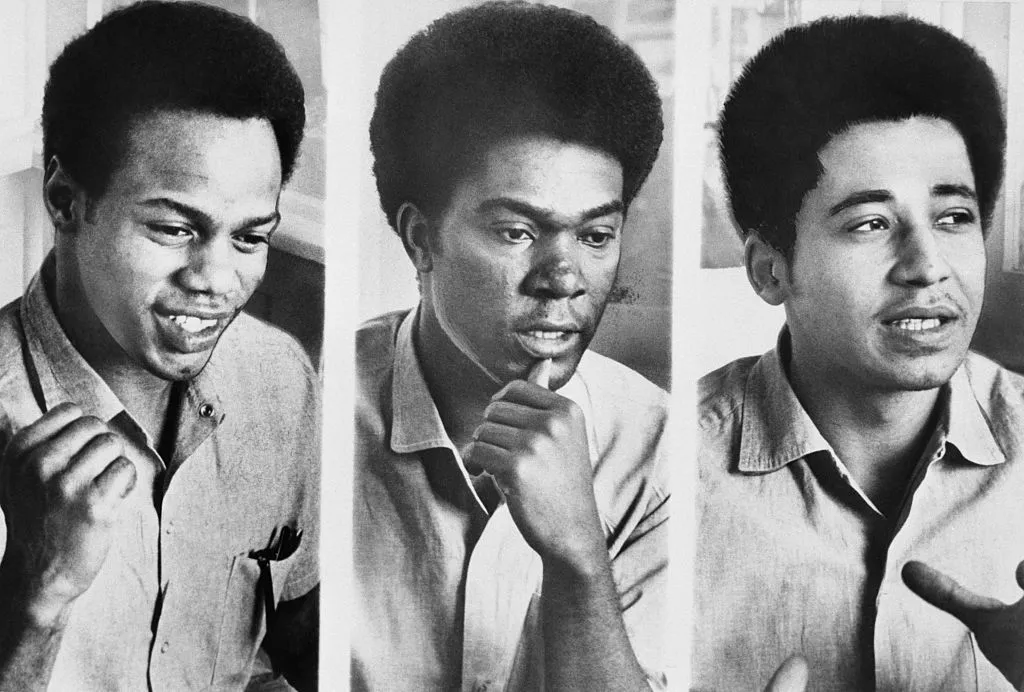
After being arrested for robbery just before his 19th birthday, George Jackson would never go free again. Behind bars at San Quentin Prison and later Soledad State Prison, Jackson became a co-founder of the Black Guerilla Family, an author, activist, and shining light for Black liberation for many.
Jonathan Jackson
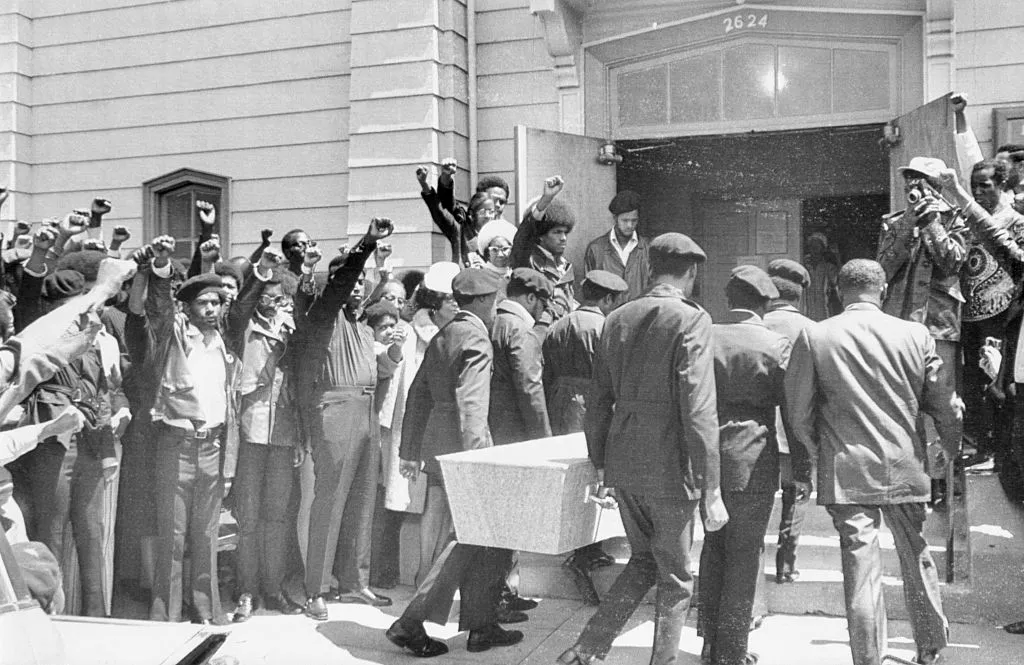
Jonathan Jackson was the younger brother of Jackson, who idolized his brother and embodied his drive to break free from the mental and physical confines of prison.
Nat Turner
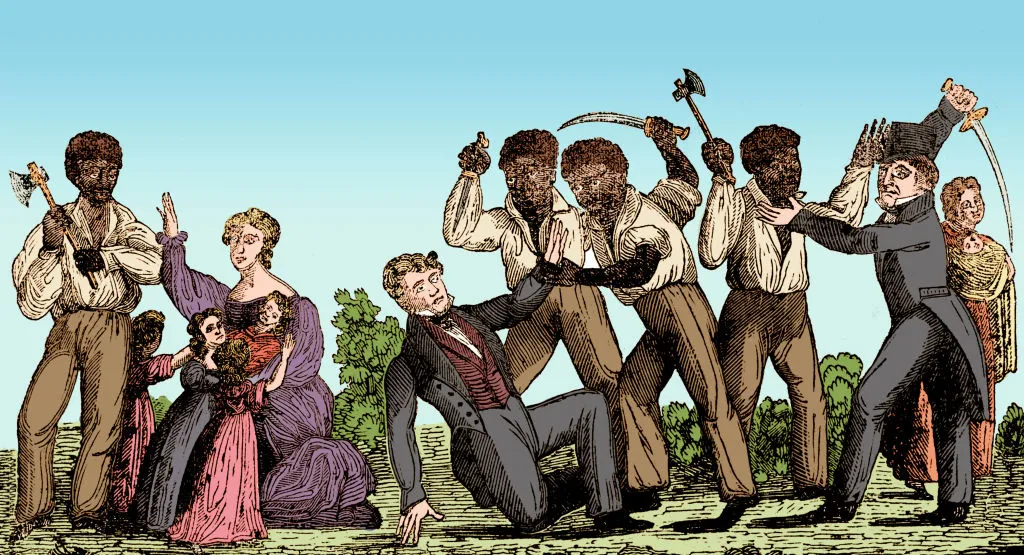
Nat Turner led the largest slave revolt in the United States on August 21, 1831. Turner was born into slavery in Southhampton County, Virginia, on October 2, 1800. Despite his surroundings, Turner learned to read and write, and attached himself to his religion. Via his faith, Turner was compelled by visions to stage the rebellion. The event lasted four days, ending in the death of 55 white people.
Angela Davis
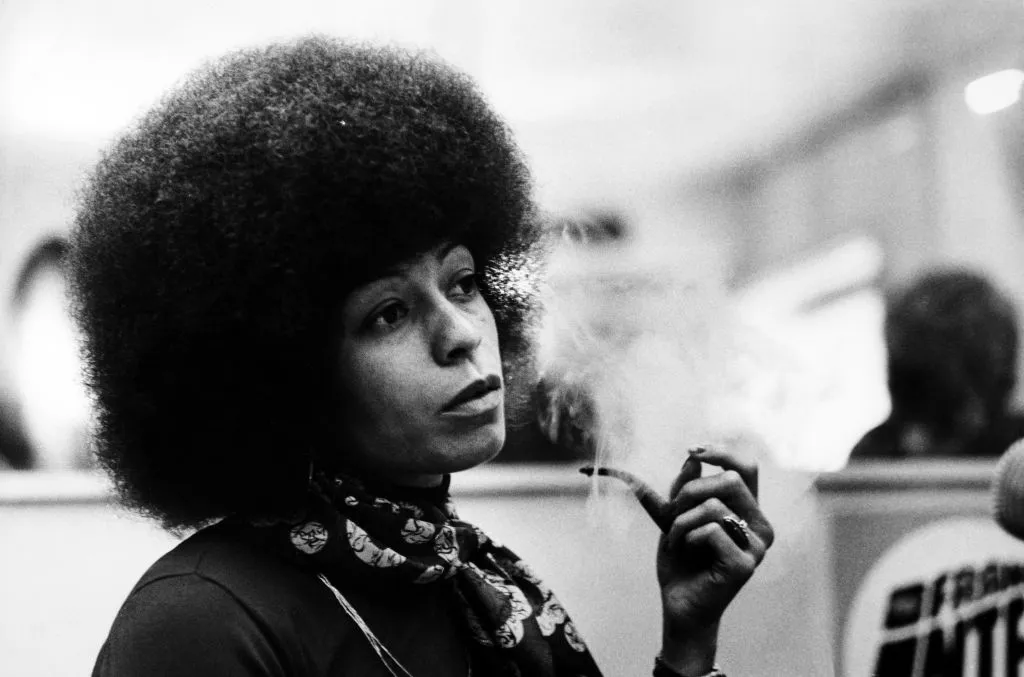
Angela Davis. a philosophy professor and former member of the Black Panther Party and Communist Party USA, took up legal arms in defense of the aforementioned Soledad Brothers. Davis has since eased into her role as an academic and embraced democratic socialism as an ideal.
Assata Shakur
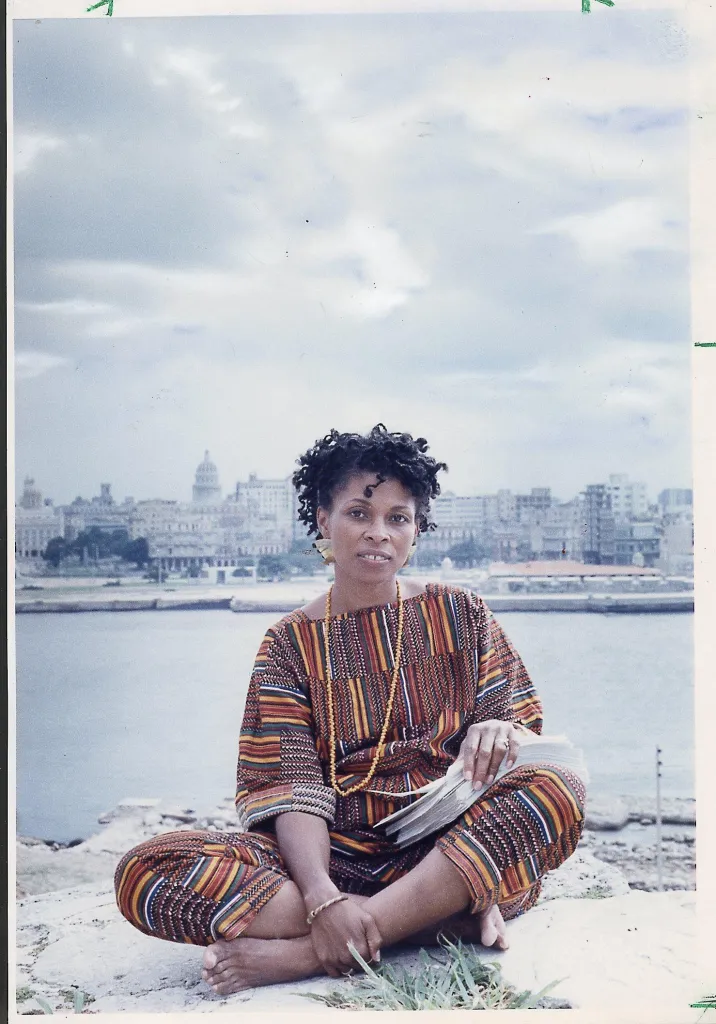
The late, great Assata Shakur was a member of the Black Panther Party and later the Black Liberation Army. Convicted on charges in the murder of a New Jersey State Trooper, Shakur escaped prison and sought aslyum in Cuba in the 1980s, remaining there until her death in 2025. Shakur’s Black Liberation Army teachings and the overall fight against police brutality remained one of her many hallmarks.
Sekou Odinga
The late Sekou Odinga was a comrade of Shakur and also a member of the Black Panther Party and the Black Liberation Army. Odinga was one of the Panther 21, who were targeted by the New York Police Department for various reasons. Odinga was instrumental in freeing Shakur from prison in 1979.
Mutulu Shakur
The late Mutulu Shakur was a prominent fixture within the Black Liberation Army, becoming embroiled in such matters as a teenager. Later in life, Shakur was alleged to be the ringleader of a deadly Brinks truck robbery in 1981. In 1975. Shakur married Afeni Shakur, the mother of Tupac “2Pac” Shakur.
Veronza Bowers Jr.
Veronza Bowers Jr. is a musician, healer, and former member of the Black Panther Party. Bowers was charged in the 1973 death of a U.S. Park Ranger, but questions surrounding the case and due process persisted during his incarceration. Bowervs, now 80, was released in 2024.
Mumia Abu-Jamal
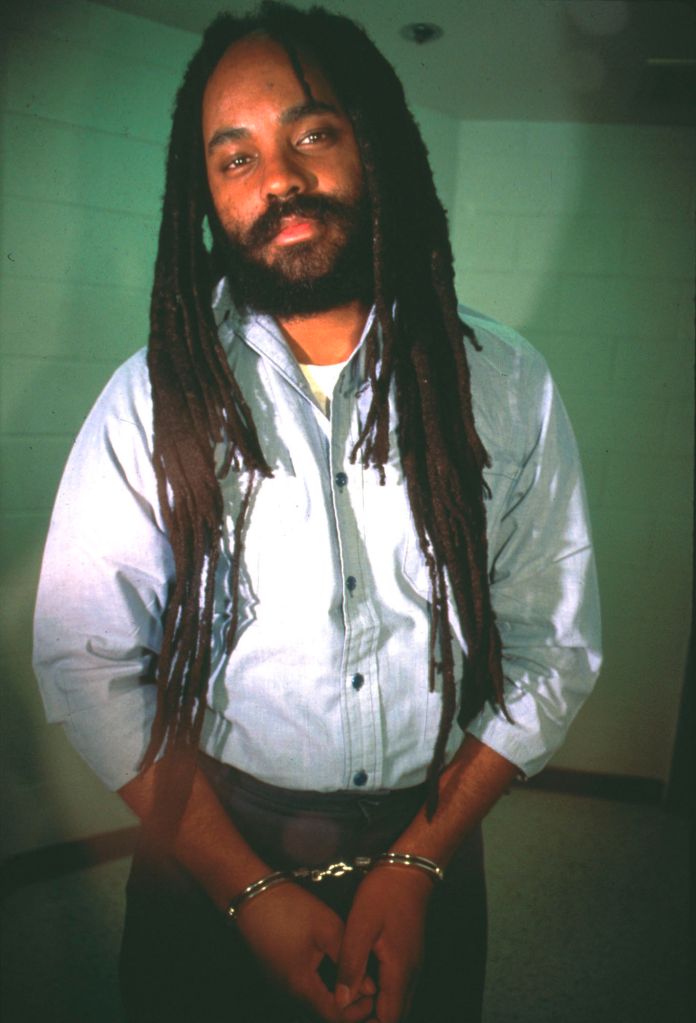
Mumia Abu-Jamal, 72, was briefly a member of the Black Panther Party before becoming a journalist, and later working alongside the MOVE organization in Philadelphia. Tensions between MOVE and local police grew, and Abu-Jamal was later convicted of the killing of a police officer. Abu-Jamal has served over 45 years in prison, decades in solitary confinement, but has become an advocate for legal fairness and critic of the justice system.
Fred “Muhammad” Burton
Following his prison sentence in 1972 as a member of the so-called Philly 5, Fred “Muhammad” Burton dedicated his life to clear his name, obtain his freedom, and call out the racial injustices that continue to plague the nation.
SEE ALSO:
Black August And The Sacred Resistance Of Black Women Political Prisoners
Monifa Bandele Explains The Critical Importance Of Black August
Op-Ed: Black August Is More Than History—It’s A Mandate For Action
Black August Lesson: ‘Denim Is Interwoven With Stories Of Struggle And Resistance’
What's Your Reaction?
 Like
0
Like
0
 Dislike
0
Dislike
0
 Love
0
Love
0
 Funny
0
Funny
0
 Angry
0
Angry
0
 Sad
0
Sad
0
 Wow
0
Wow
0