![Trump Didn’t Win The Nobel Peace Prize, So He’s Helping Smear The Woman Who Did [Op-Ed]](https://newsone.com/wp-content/uploads/sites/22/2026/10/17915758433969.jpg?quality=80&strip=all&w=1024&crop=0,0,100,683px#)












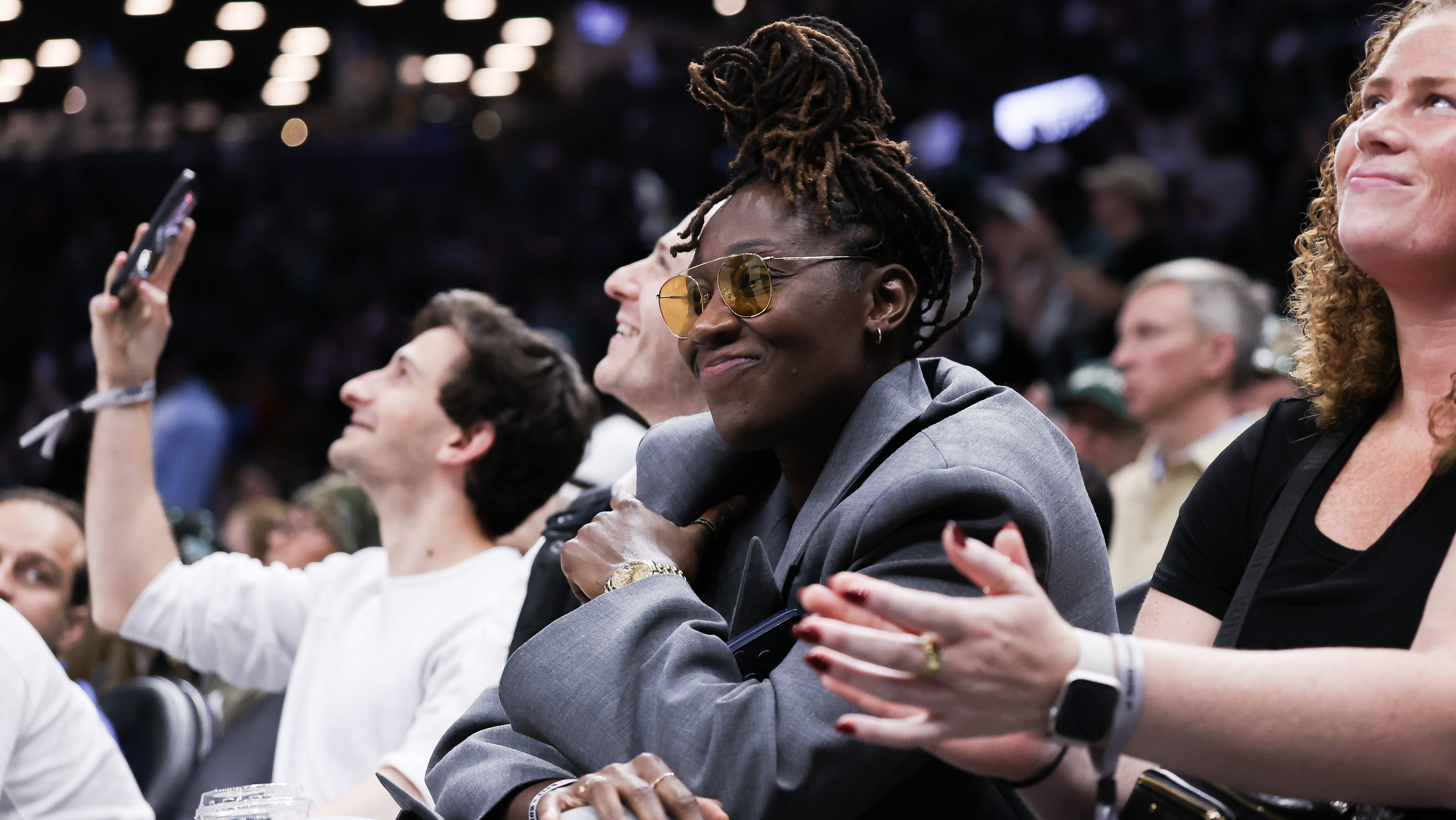


Tatyana Ali recalls ‘incredibly dangerous’ childbirth, highlighting ongoing Black maternal health crisis


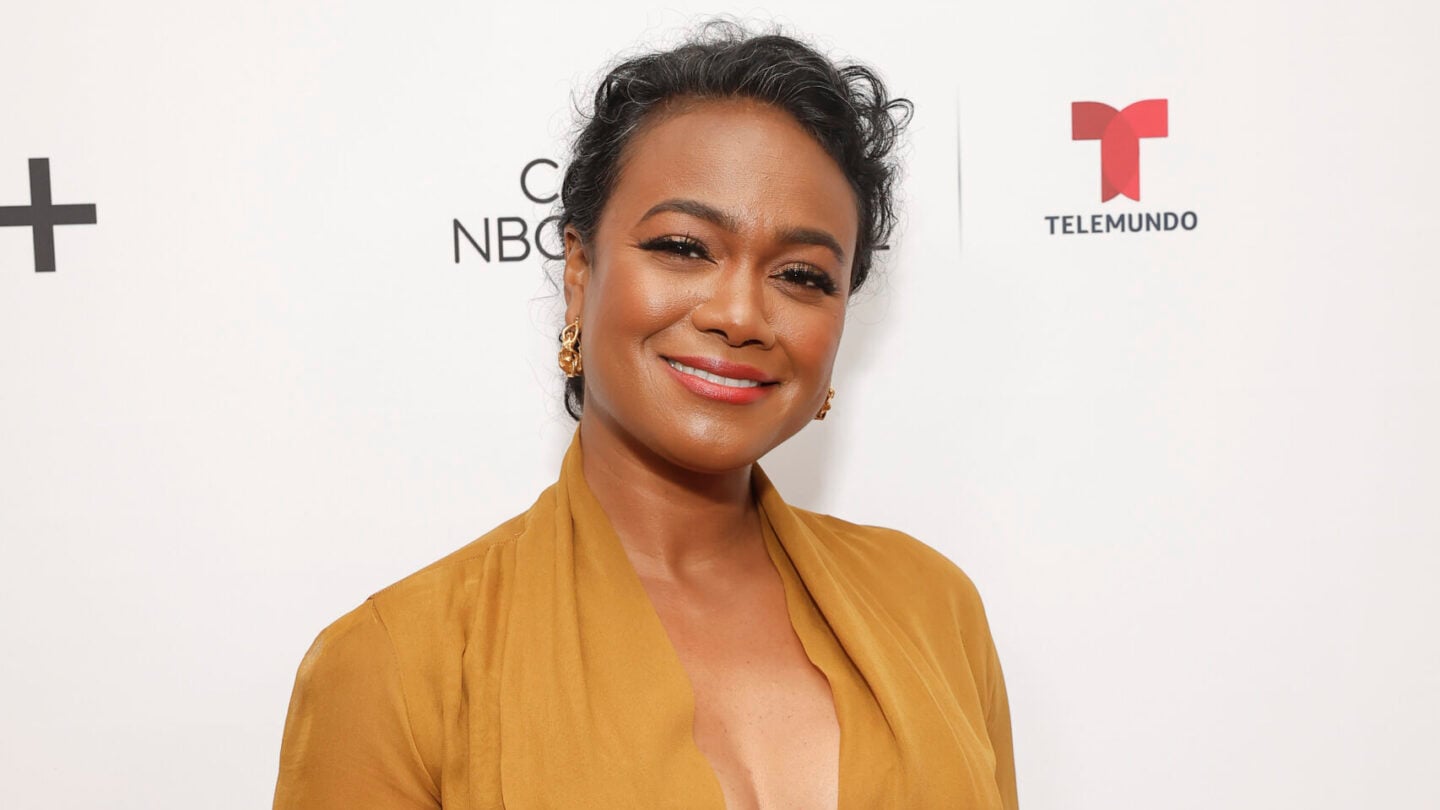
The “Fresh Prince” star says doctors ignored her birth plan and forced a traumatic delivery—an experience many Black women say is far too common.
Tatyana Ali is opening up about a childbirth experience she says was not only traumatic, but dangerously out of her control, adding her voice to a growing conversation about how Black women are treated in delivery rooms.
During a recent podcast appearance, the former “Fresh Prince of Bel-Air” star recalled what she described as an “incredibly dangerous” delivery while giving birth to her first child. According to Ali, medical staff disregarded her birth plan and made decisions without her consent, including physically pushing her baby back inside her body during labor.
“I remember saying no,” she shared, describing a moment where she felt her autonomy stripped away in the delivery room.
Ali also said she was physically restrained during the process; an experience she later came to understand as a form of what advocates call “obstetric violence,” a term used to describe the mistreatment of pregnant people during childbirth.
Her son was ultimately delivered safely, but not without complications. He was taken to the NICU shortly after birth, adding another layer of fear and uncertainty to an already distressing experience.
While Ali is now speaking publicly about what happened, her story reflects a much broader and deeply documented issue: Black women in the United States face significantly higher risks during pregnancy and childbirth than their white counterparts.
According to data from the Centers for Disease Control and Prevention, Black women are several times more likely to die from pregnancy-related causes, regardless of income or education level. Health experts say many of these outcomes are preventable and often linked to systemic bias, gaps in care, and a lack of respect for patient concerns.
Advocates have long pointed to stories like Ali’s as evidence of how quickly medical situations can escalate when patients are not heard or believed. For many Black women, the fear isn’t just about complications; it’s about whether their voices will be respected in critical moments.
Ali has used her platform to raise awareness about maternal health and the importance of patient advocacy, emphasizing the need for better communication, accountability, and care in medical settings.
Her story arrives at a time when conversations around Black maternal health are gaining more visibility, but outcomes have been slow to change. For many, her experience is not shocking—it’s familiar.
It’s that familiarity is exactly the problem.
What's Your Reaction?
 Like
0
Like
0
 Dislike
0
Dislike
0
 Love
0
Love
0
 Funny
0
Funny
0
 Angry
0
Angry
0
 Sad
0
Sad
0
 Wow
0
Wow
0


![We Have To Talk About Trump’s ‘Trannie’ Attacks On Annie Andrews, Because How Is This Acceptable? [Op-Ed]](https://newsone.com/wp-content/uploads/sites/22/2026/10/17914799069482.jpg?quality=80&strip=all&w=1024&crop=0,0,100,683px#)
![Pete Hegseth Shows Off Weak And Wimpy Workout Again [Op-Ed]](https://newsone.com/wp-content/uploads/sites/22/2026/10/17915524447154.jpg?quality=80&strip=all&w=1024&crop=0,0,100,683px#)