![Trump Didn’t Win The Nobel Peace Prize, So He’s Helping Smear The Woman Who Did [Op-Ed]](https://newsone.com/wp-content/uploads/sites/22/2026/10/17915758433969.jpg?quality=80&strip=all&w=1024&crop=0,0,100,683px#)









NAACP boycott call: Why pros – not college athletes – should step up

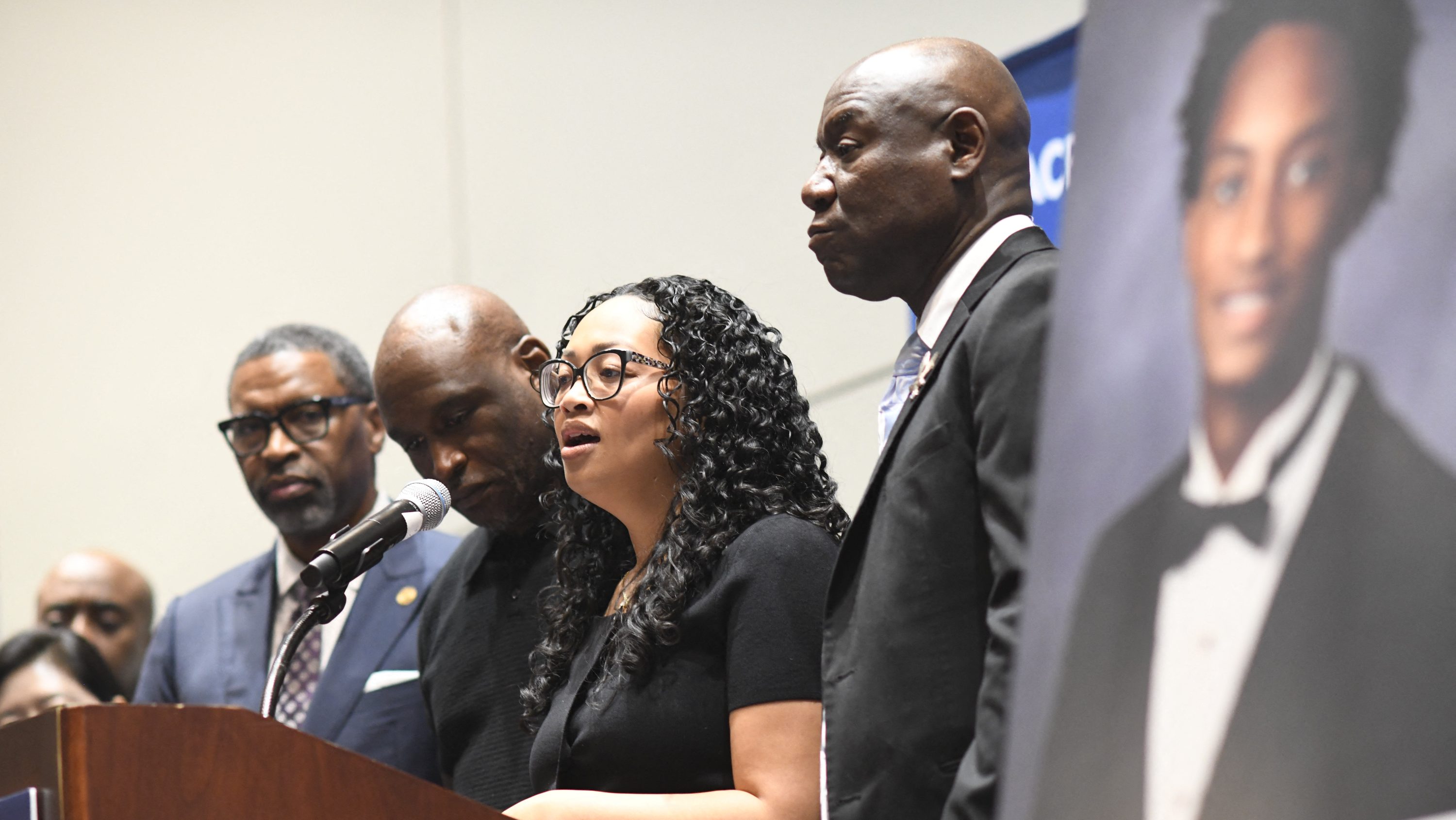
The NAACP’s call to boycott select Southern college athletic programs in states attacking voting rights has been met with ambivalence.
The iconic activist group’s “Out of Bounds” campaign recalled the spirits of movements past — and not just the Civil Rights Movement of the late 1950s and 1960s. It also drew on the more recent student-athletes who have demanded social justice reforms and better living conditions.
However, it also put a spotlight on the NAACP, an organization that is less revered than it once was, even though its mission remains relevant.
A common critique questioned the fairness of placing such a burden on Black college athletes, whom the NAACP sought to be the face of this modern-day movement. One of those voices was an HBCU-educated legislator — Georgia state Sen. Harold Jones, the state Senate minority leader.
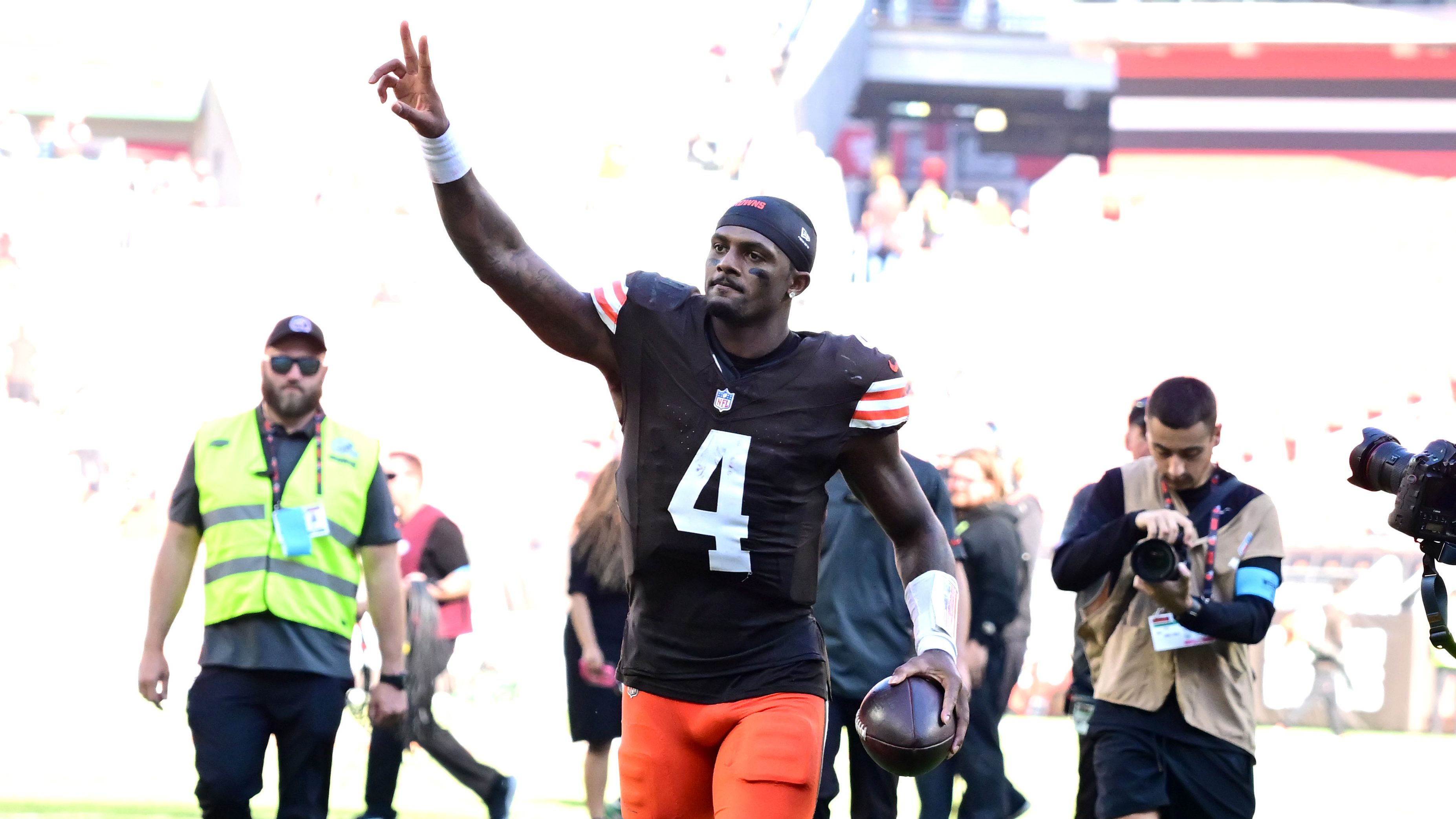
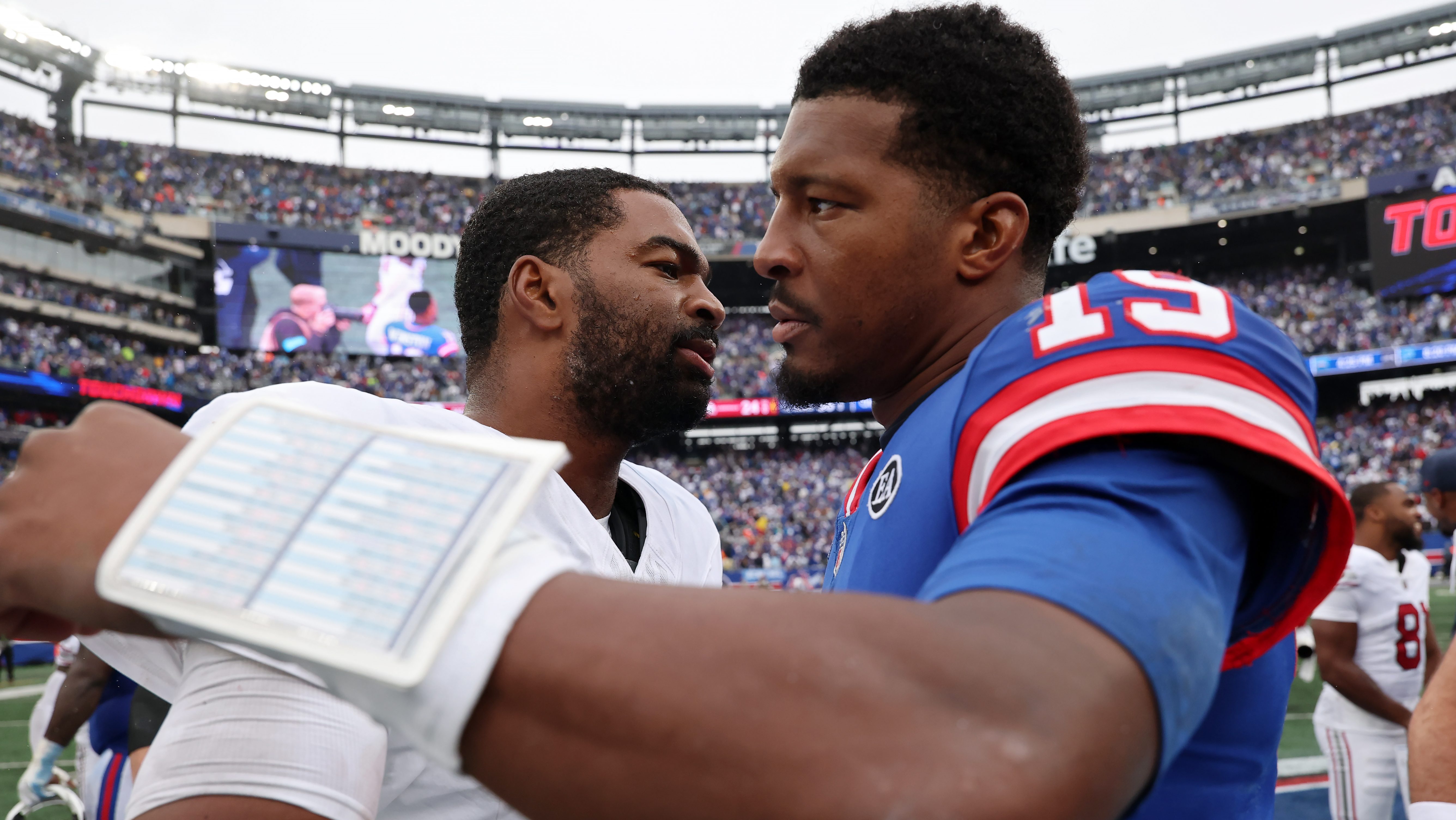
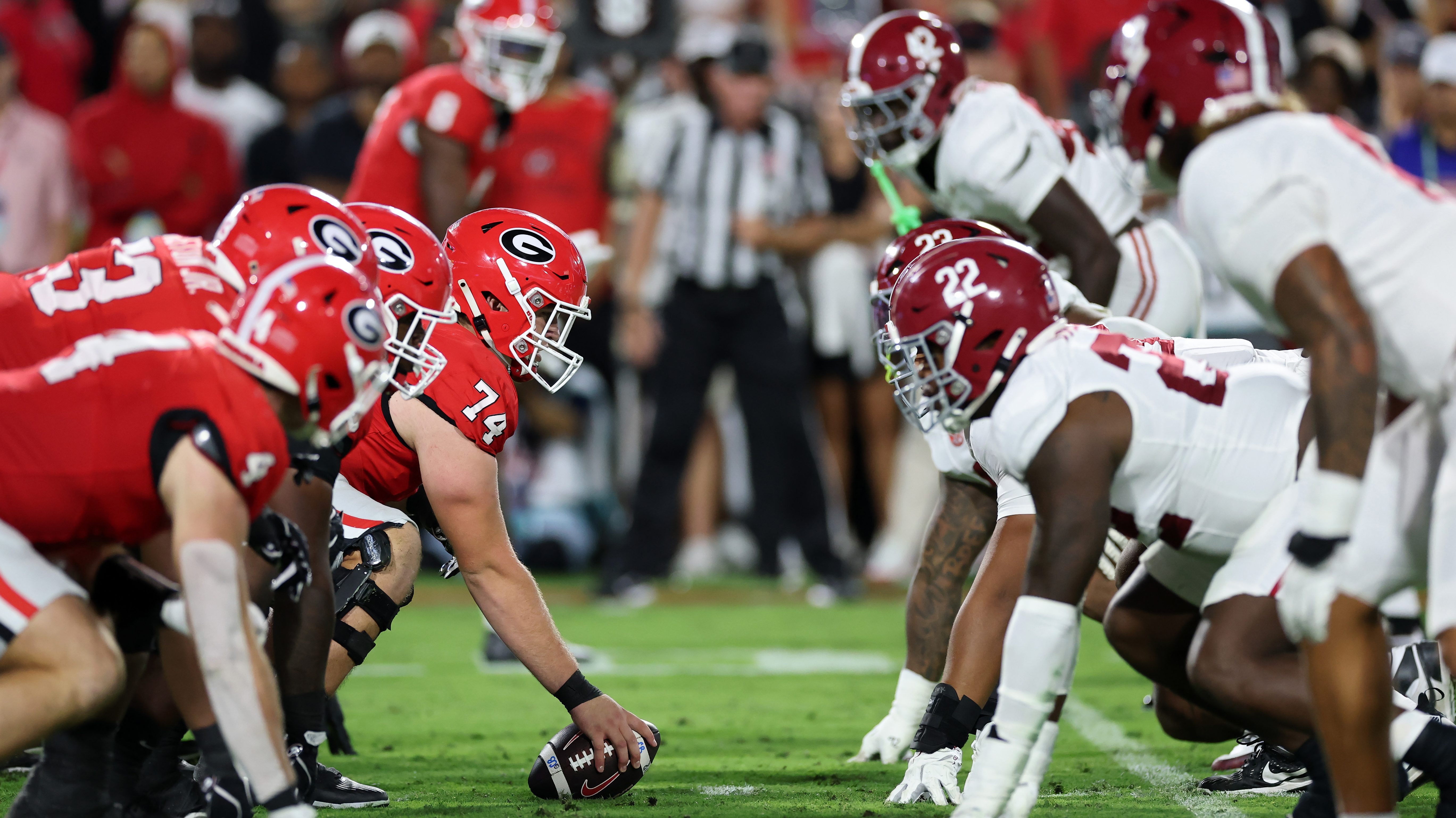
Jones believed professional athletes should be the focus of such a boycott, pointing specifically to the NFL: “All of those states have NFL teams. Ask those guys to step up.”
“I get the theory and I’m not necessarily opposed to it, because what’s going on [with redistricting] is wrong,” Jones said. “You do have adults sitting there making money for those same states … just playing on Sunday, and no one’s asking them to do anything.”
Jones, who earned his bachelor’s degree at South Carolina State and his law degree at North Carolina Central, is also the architect of a new voting rights act in Georgia, crafted amid concerns about voter protections. He lamented recent Supreme Court decisions rolling back voting rights, arguing “adults are far more complicit” than college athletes regarding the state of current affairs.
“All of this happened because we were asleep,” he said. “We’ve been begging pro athletes to get involved. [Legislators] didn’t get involved enough after Shelby [County] v. Holder,” the 2013 Supreme Court decision that effectively dismantled federal oversight of the Voting Rights Act.
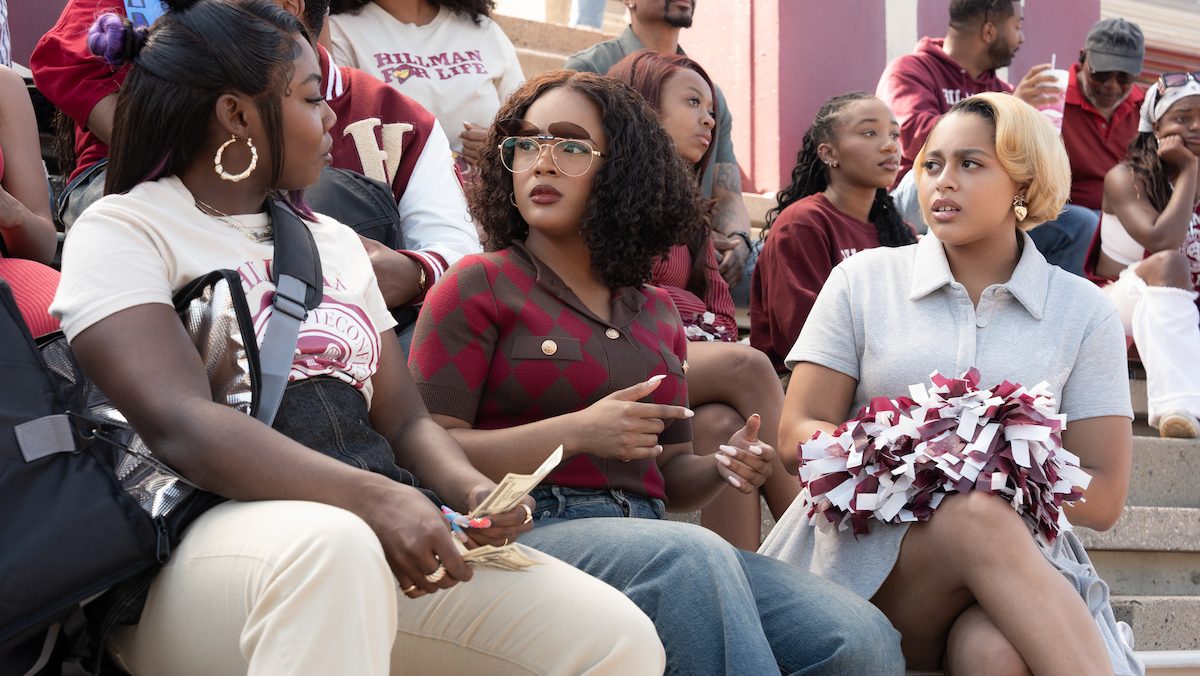
Earl Gibson III/Deadline via Getty Images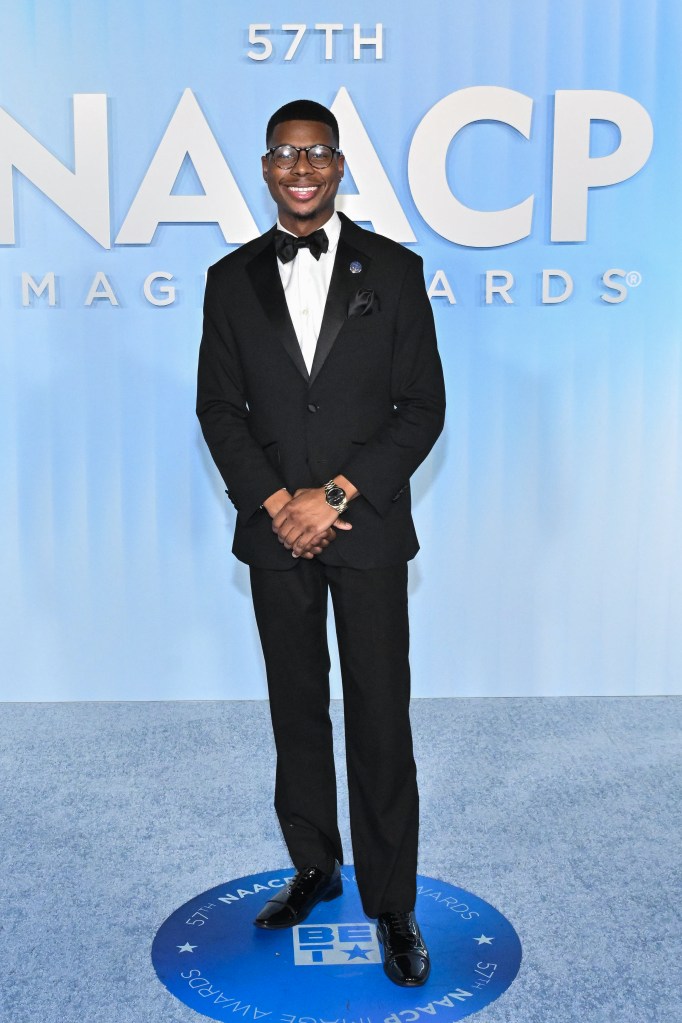
The “Out of Bounds” campaign identified eight states — Alabama, Florida, Georgia, Louisiana, Mississippi, South Carolina, Tennessee, and Texas — and targeted college athletic programs “generating more than $100 million in annual revenue that continue to recruit Black athletes while their state governments dismantle the political power of Black communities.”
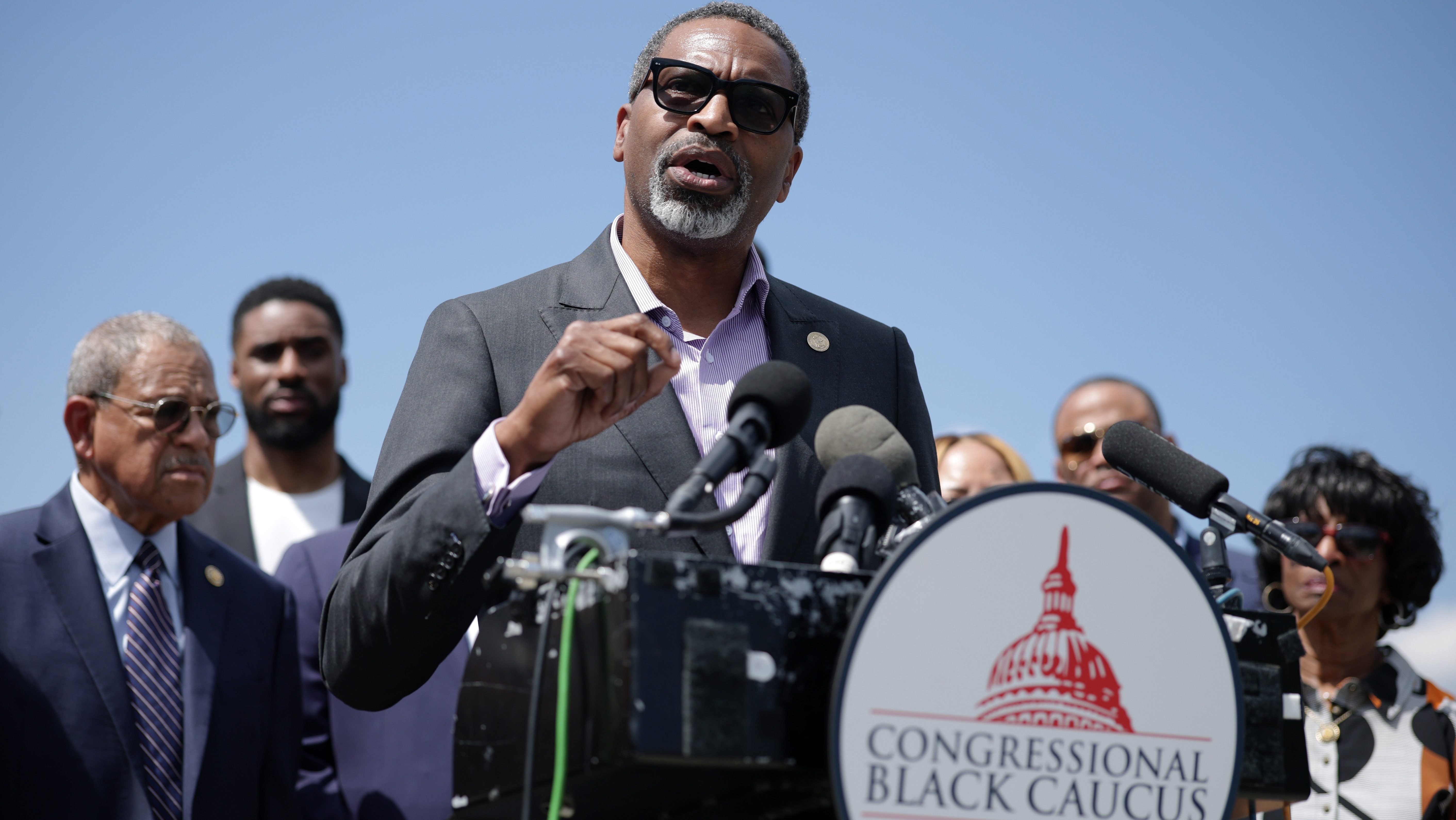
“This generation of Black athletes understands something that those who came before them were never afforded the chance to say so plainly: Your talent is yours, and so is your community’s political power,” said Tylik McMillan, the NAACP’s national director for its youth and college division.
“These are not separate issues. The state that is working to erase your grandmother’s congressional district is the same state whose governor will stand on the field and celebrate your touchdown or game-winning shot. We are asking young people — recruits, current athletes, fans — to see that connection clearly and to act on it.”
McMillan brings up an important intersection: the crossroads between entertainment and empowerment. That intersection is usually treated as an either/or proposition — the demands to “stick to sports,” to “leave politics out of it.”
What makes the NAACP’s call compelling is not simply the source but the fact that, despite claims to the contrary, civil and human rights are still under siege.
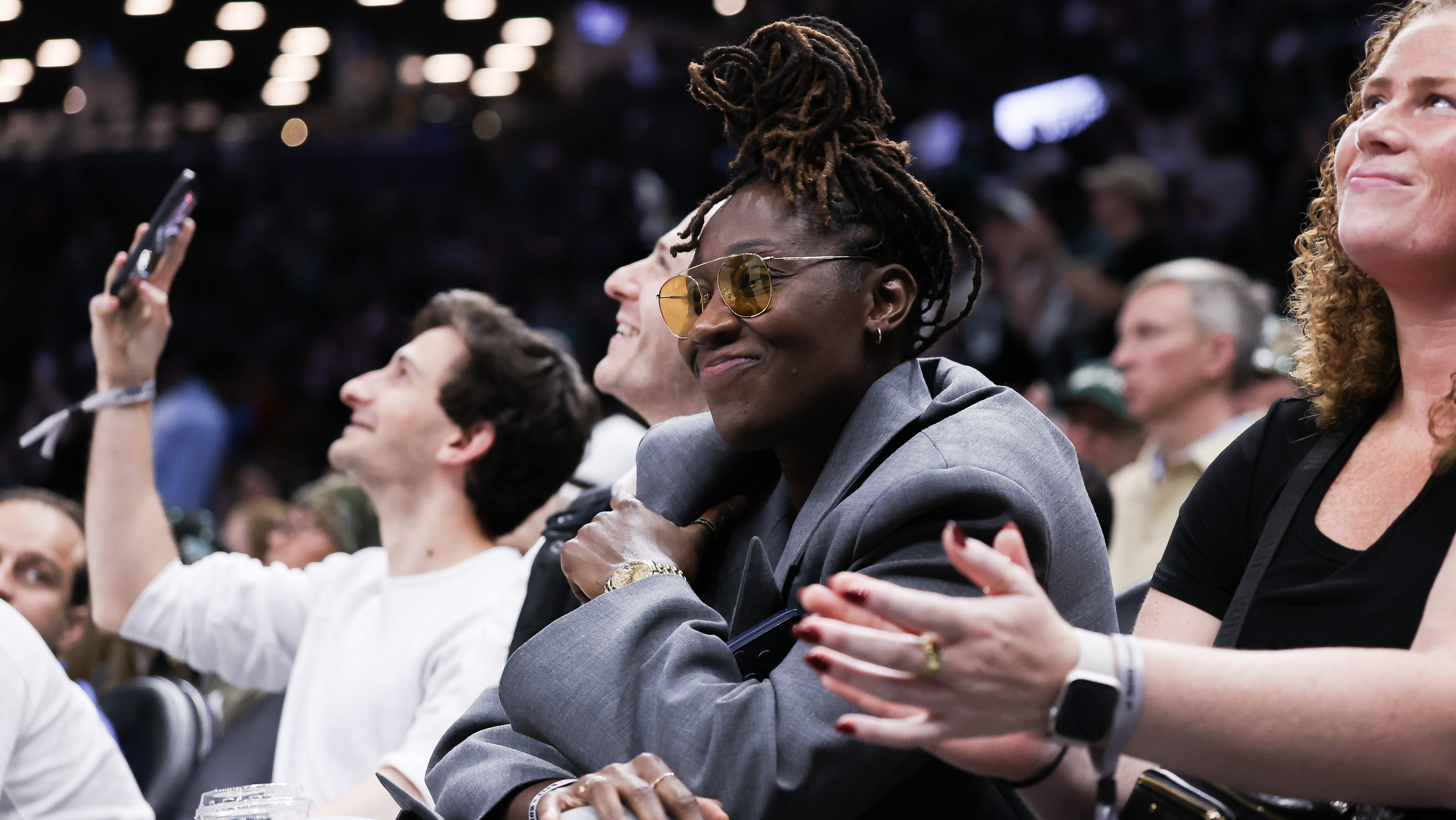
Historically, tying those concerns to seemingly superhuman athletes has paid dividends both socially and financially. Collective bargaining has unique and progressive milestones, ranging from the baseball labor battles of the early 1970s led by Curt Flood to the most recent labor victory for WNBA players.
We don’t have to look far to see the impact of the very threat of college athletes refusing to play. In 2015, Black football players at the University of Missouri threatened to boycott in rebuke of the school’s president over his handling of racial harassment cases, among other grievances. It happened during the earlier stages of the Black Lives Matter movement, a campaign that shifted the social justice landscape in 2020 after the murder of George Floyd in Minneapolis in May of that year.
Also in 2020, Mississippi State running back Kylin Hill said he would leave the team if the state didn’t change its flag, which featured a Confederate emblem.
What has changed significantly since then are the financial stakes. Not only are players at schools such as Alabama and Florida poised to earn millions in the professional ranks, some are currently receiving money through name, image and likeness (NIL) deals, an opportunity no college athletes had until this decade.
It will likely be a tough ask for semipro athletes to forgo the opportunity for generational wealth and current sustainability without an action plan to support their families.
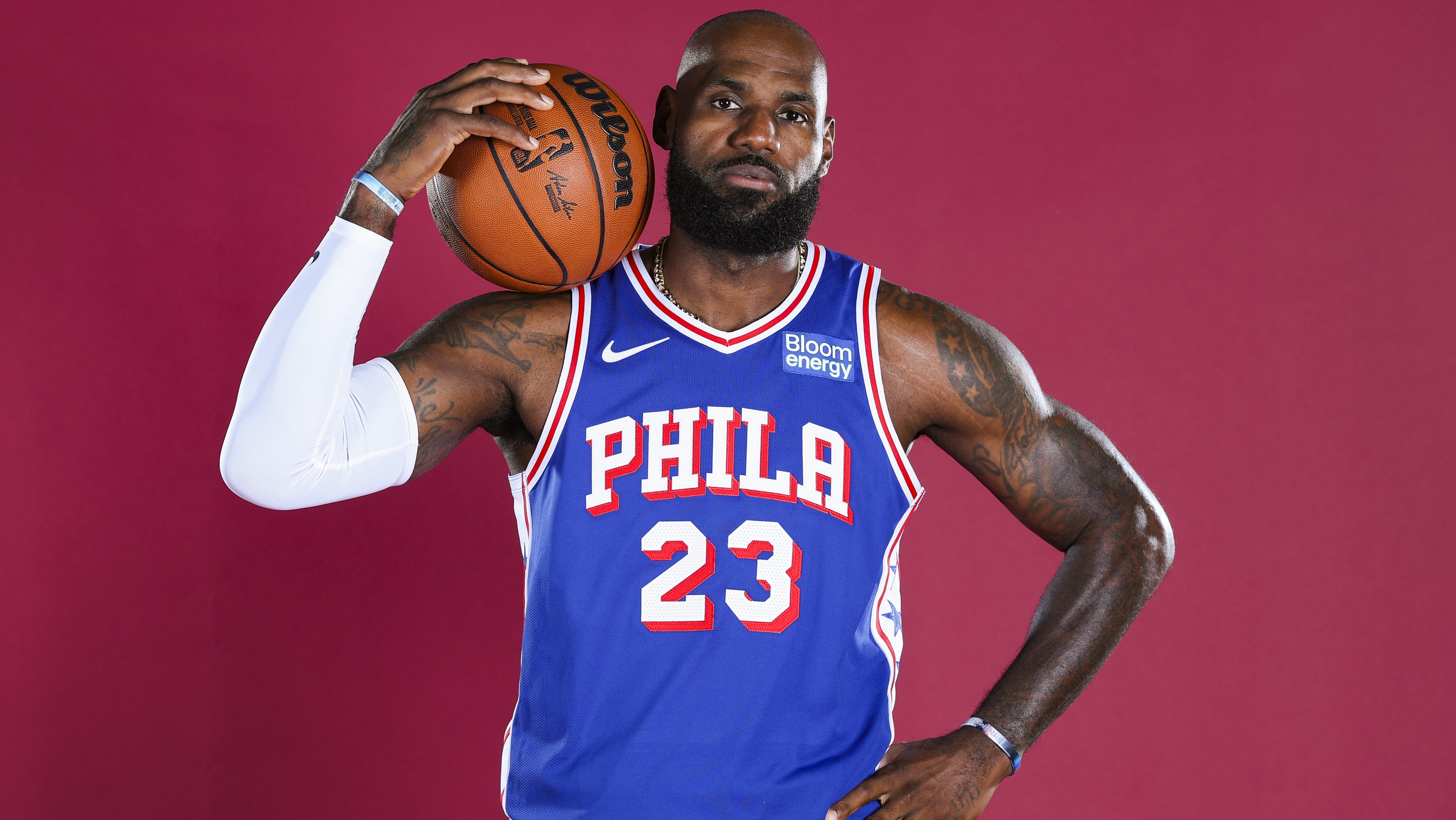
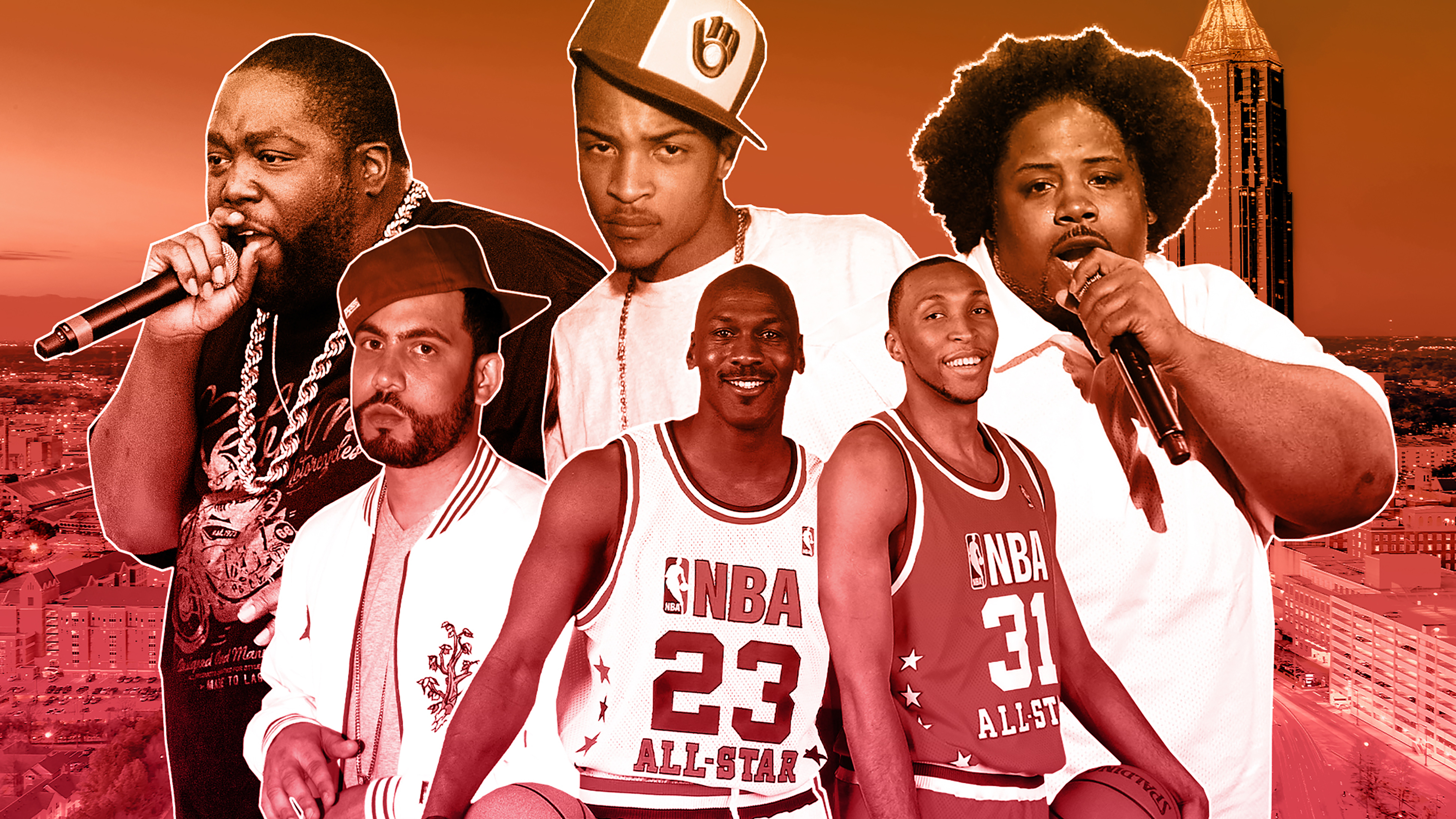
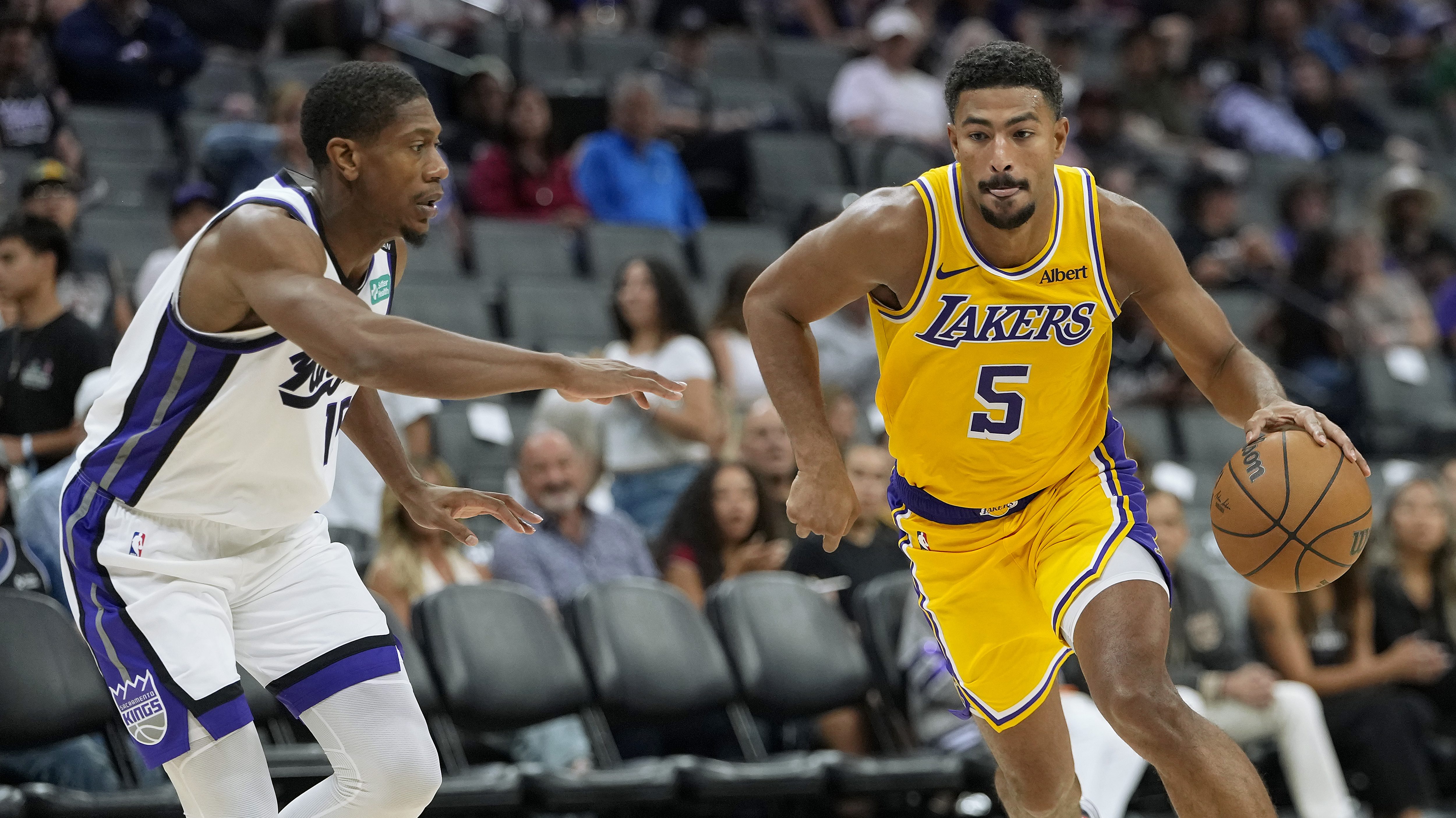
I would be remiss if I didn’t say that inconvenience is the point when it comes to a boycott. It’s a sacrifice made for the greater good, and it is startling to think where we might be without our social justice predecessors who partook in them. Still, redirecting the challenge toward professional athletes seems more feasible. With the exception of Alabama, Mississippi and South Carolina, the states the NAACP has targeted all have NFL teams, and five of those eight states have NBA teams.
“Pro athletes and entertainers can help fund campaigns,” Jones said. “All of a sudden, to put that on college athletes and skip over the adults? Let’s go to them first.”
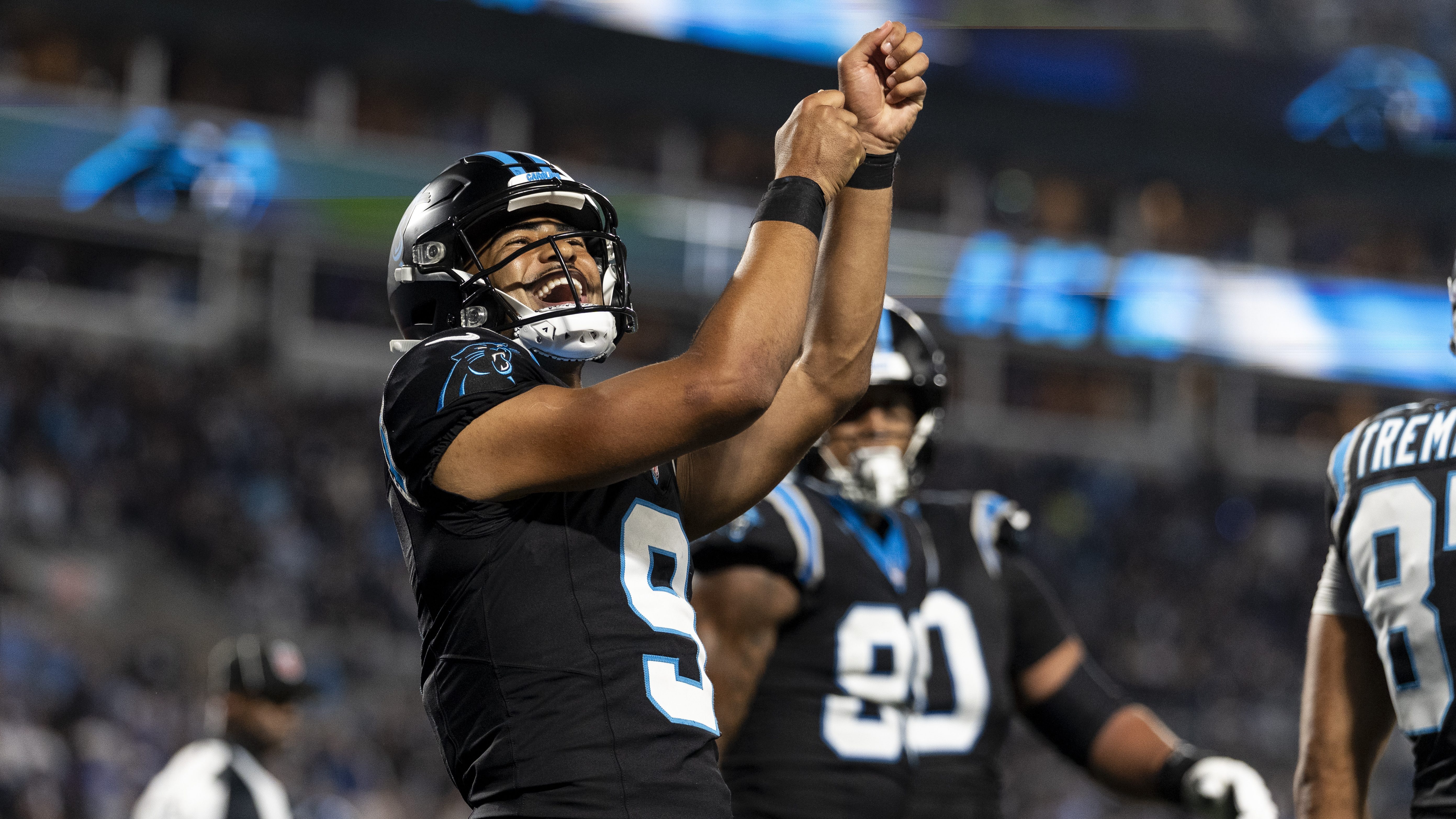
Matt Pendleton-Imagn Images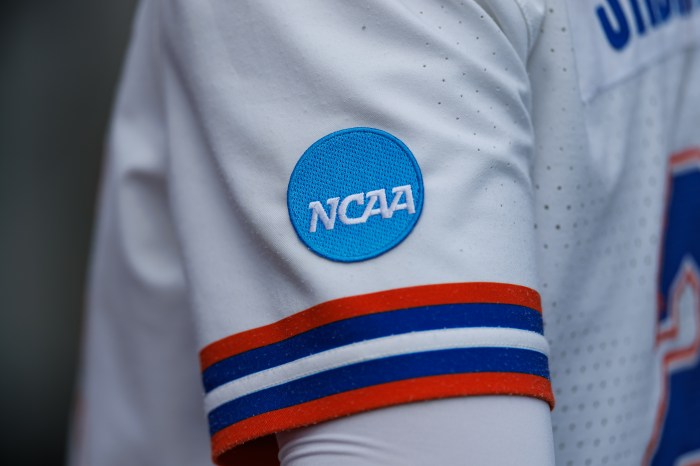
There is also the onus that’s on us. We might not have the abundant wealth of professional athletes or the bright lights and promise of college players. We do have strength in numbers, and we should be more honest about how we haven’t exercised that power. Voter turnout numbers are dreadful, and it’s because the urgency of the Civil Rights Movement has waned.
We should wake it up with the energy of a hundred football stadiums. The NAACP is an association for the advancement of nonwhite people, but the causes it has championed have provided rights for all. This current call is a reminder of how empowerment and entertainment can be connected with a simple idea — empathy.
Even if there are concerns about which professional athletes should participate in a boycott, there is also a demand for fans to stop letting entertainment be the only driving factor in their lives.
It’s easy to identify with your team being down and needing a touchdown to win. It’s harder to bring the same emotion of scenario to the battle for voting rights, but the urgency is just as high.
The post NAACP boycott call: Why pros – not college athletes – should step up appeared first on Andscape.
What's Your Reaction?
 Like
0
Like
0
 Dislike
0
Dislike
0
 Love
0
Love
0
 Funny
0
Funny
0
 Angry
0
Angry
0
 Sad
0
Sad
0
 Wow
0
Wow
0