









New Landmark Study Reveals HBCU Graduates Thrive Long After College—And The Data Proves Why

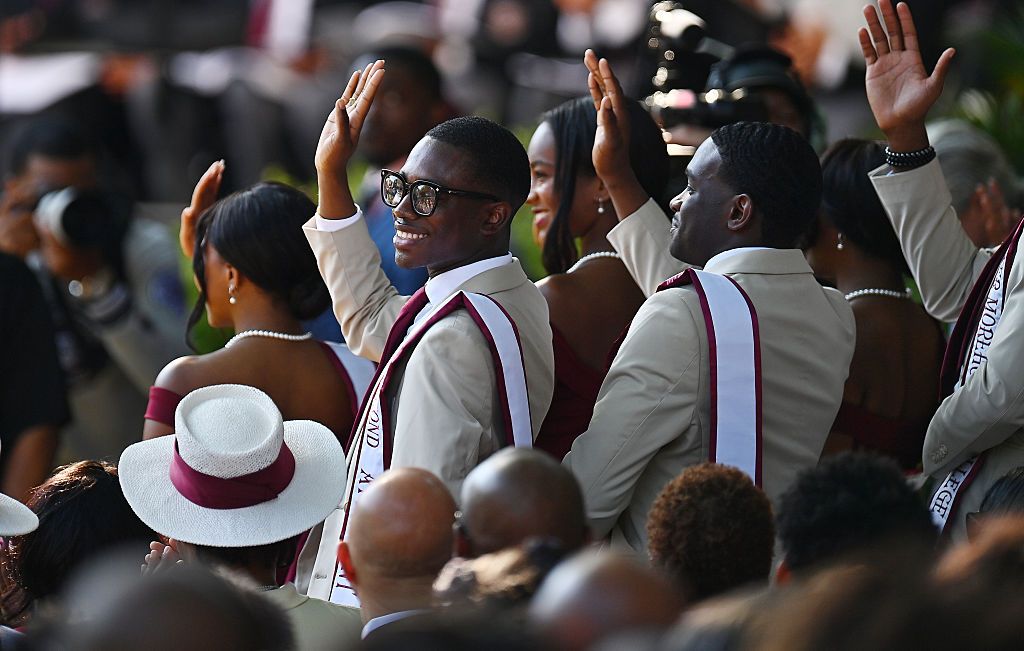
The Thurgood Marshall College Fund’s (TMCF) Dr. N. Joyce Payne Research Center has unveiled what is being hailed as the largest and most comprehensive “Proof Of Promise” study ever conducted on historically Black colleges and universities (HBCUs) alumni, and the findings paint a powerful picture of the long-term impact of an HBCU education.
In partnership with Gallup, the Payne Research Center released Part One of “Proof of Promise: The Lasting Value and Impact of an HBCU Education,” the nation’s largest HBCU study. They also hosted an invitation-only event on July 31, at Stillpoint in West Tisbury. The gathering brought together leaders from higher education, business, philanthropy, government and media to discuss the transformative role HBCUs continue to play in shaping generations of Black professionals and leaders. They also unveiled findings from the groundbreaking three-part research project and study. Conducted across 64 four-year HBCUs and drawing from more than 500,000 documented alumni contacts, the study explores how an HBCU education influences everything from career success and workplace engagement to personal well-being, belonging and lifelong achievement.
“Proof of Promise: The Lasting Value and Impact of an HBCU Education,” Payne Research Center Study: The findings explained.
The early findings reinforce many of the long-held beliefs about the HBCU experience. According to the report, 70% of recent HBCU alumni report thriving in their everyday lives, compared to 46% of Black adults nationwide. Eighty-three percent said they experienced a strong sense of belonging on campus, well above the national average of 65% among college graduates. Seventy-two percent said they would enthusiastically recommend their alma mater to others, compared to just 44% of college graduates nationally. Nearly eight in ten graduates (79%) believe their HBCU education was worth the cost, including 70% of those who borrowed more than $40,000 in student loans. The report also found that 46% of HBCU alumni are engaged at work, significantly higher than the 31% average among U.S. workers, while an overwhelming 94% said they had at least one professor who inspired their enthusiasm for learning.
The first installment of the major research study focused on graduates from the Classes of 2010 through 2025 and includes data from 40 four-year HBCUs with usable responses. The research will continue to expand over the next two years, with Part Two arriving in summer 2027 to include additional graduation cohorts, followed by Part Three in summer 2028, which will spotlight the personal stories and lived experiences of HBCU graduates across every generation.
As historically Black colleges and universities (HBCUs) experience a nationwide enrollment surge, many students are increasingly choosing these institutions in search of supportive learning environments and a stronger sense of community amid the rollback of diversity, equity and inclusion (DEI) initiatives and changes to affirmative action policies.
Between 2020 and 2023, HBCU enrollment increased by 7%, according to Wilberforce University. While the cost of attendance at an HBCU remains a significant investment, ranging from approximately $27,610 to $31,452 annually for on-campus undergraduates, depending on residency status, these institutions remain among the more affordable options in higher education. According to BestColleges, average HBCU tuition is roughly 30% lower than tuition at non-HBCU institutions, making them an attractive choice for students seeking both quality education and greater value.
“At a time when higher education is being challenged to demonstrate value and return on investment, this research provides an unprecedented opportunity to examine the lasting impact of HBCUs through the voices and experiences of their graduates,” Dr. M.C. Brown II, executive director of the Payne Center, said. “The proof is here. HBCUs are delivering on their promise to their students, their communities and the nation.”
Dr. Harry L. Williams, president and CEO of TMCF, said the report reinforces what HBCU advocates have long believed.
“This report confirms something we’ve known for a long time: our graduates are well prepared to lead a meaningful and productive life,” Dr. Williams said. “This validation only strengthens the work we do every day to prepare the next generation of workforce talent.”
Dr. N. Joyce Payne, the founder of TMCF and the namesake of the Payne Center, also emphasized the importance of continuing to invest in every HBCU and the students they serve.
“We must look at all of our HBCUs — public and private — and provide them with the tools they need to thrive,” she said. “TMCF is designed exclusively for exceptional students at the nation’s publicly supported HBCUs, predominantly Black institutions and historically Black community colleges — because every institution and every student matters.”
As the remaining installments of the study roll out over the next two years, researchers hope the data will continue to reshape the national conversation around the value of HBCUs. At a time when conversations surrounding higher education often center on cost, outcomes and return on investment, this research offers compelling evidence that HBCUs continue to deliver on their mission, not only by preparing students for successful careers, but by cultivating confident leaders, lifelong learners and connected communities whose impact extends far beyond the classroom.
Why do HBCUs matter?
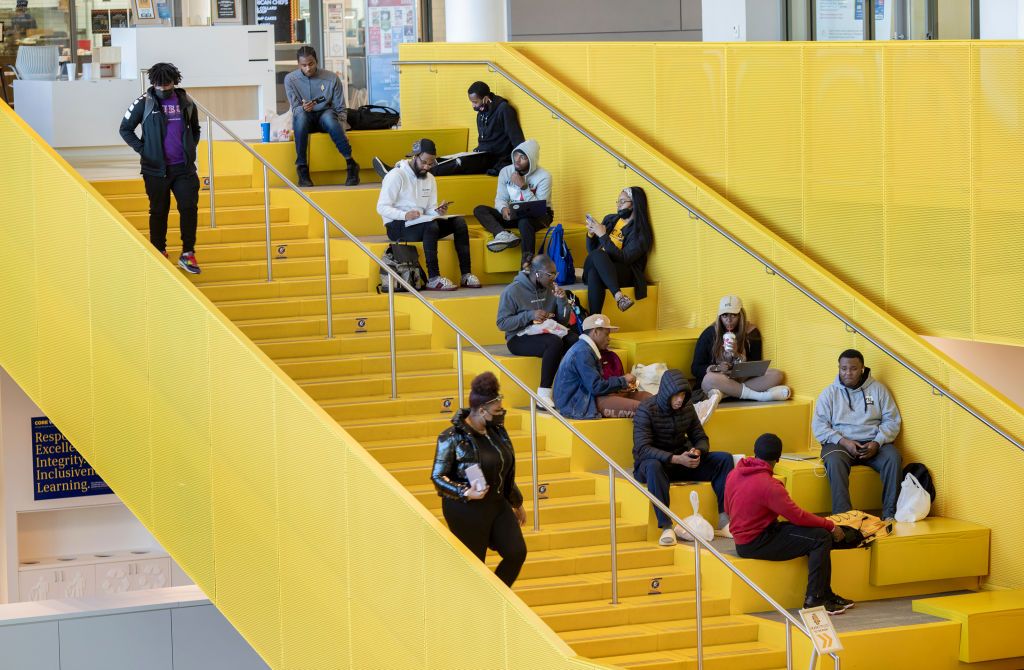
For generations, HBCUs have served as more than just institutions of higher learning; they have been cultural cornerstones, leadership incubators and communities where Black students can thrive academically, professionally and personally. Studies have consistently found that students at HBCUs often benefit from stronger mentorship, meaningful faculty relationships and a deeper sense of belonging than their peers at many predominantly White institutions.
Those connections can have a lasting impact on mental health, self-confidence and overall well-being, while powerful alumni networks continue to create opportunities long after graduation. From producing influential leaders in business, education, politics, medicine and the arts to cultivating environments where students feel seen, supported and empowered, HBCUs remain vital institutions that continue to strengthen communities and shape the next generation of changemakers.
4 HBCUs Come Together To Launch Groundbreaking Digital Learning Platform
What Saint Augustine’s University Bankruptcy Means For The Future Of The HBCU
What's Your Reaction?
 Like
0
Like
0
 Dislike
0
Dislike
0
 Love
0
Love
0
 Funny
0
Funny
0
 Angry
0
Angry
0
 Sad
0
Sad
0
 Wow
0
Wow
0