






Inside Nike’s bet on soccer kits as fashion language

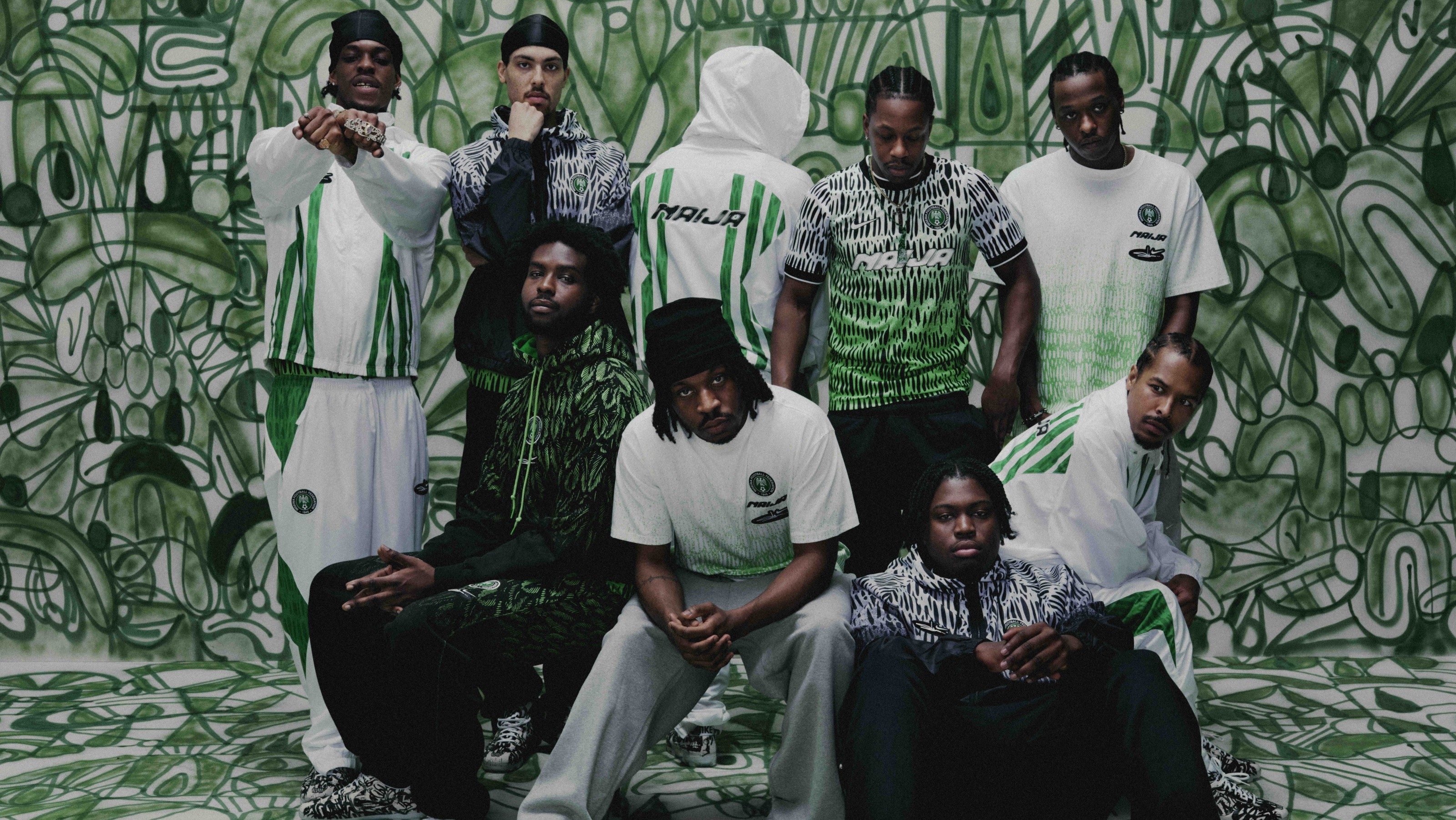
Soccer kits have moved beyond their sole function as match-day uniforms.
At least they have for Nike, which is pushing the limits of match-day gear into a broader cultural system as the brand prepares to support 12 national teams in the 2026 FIFA World Cup.
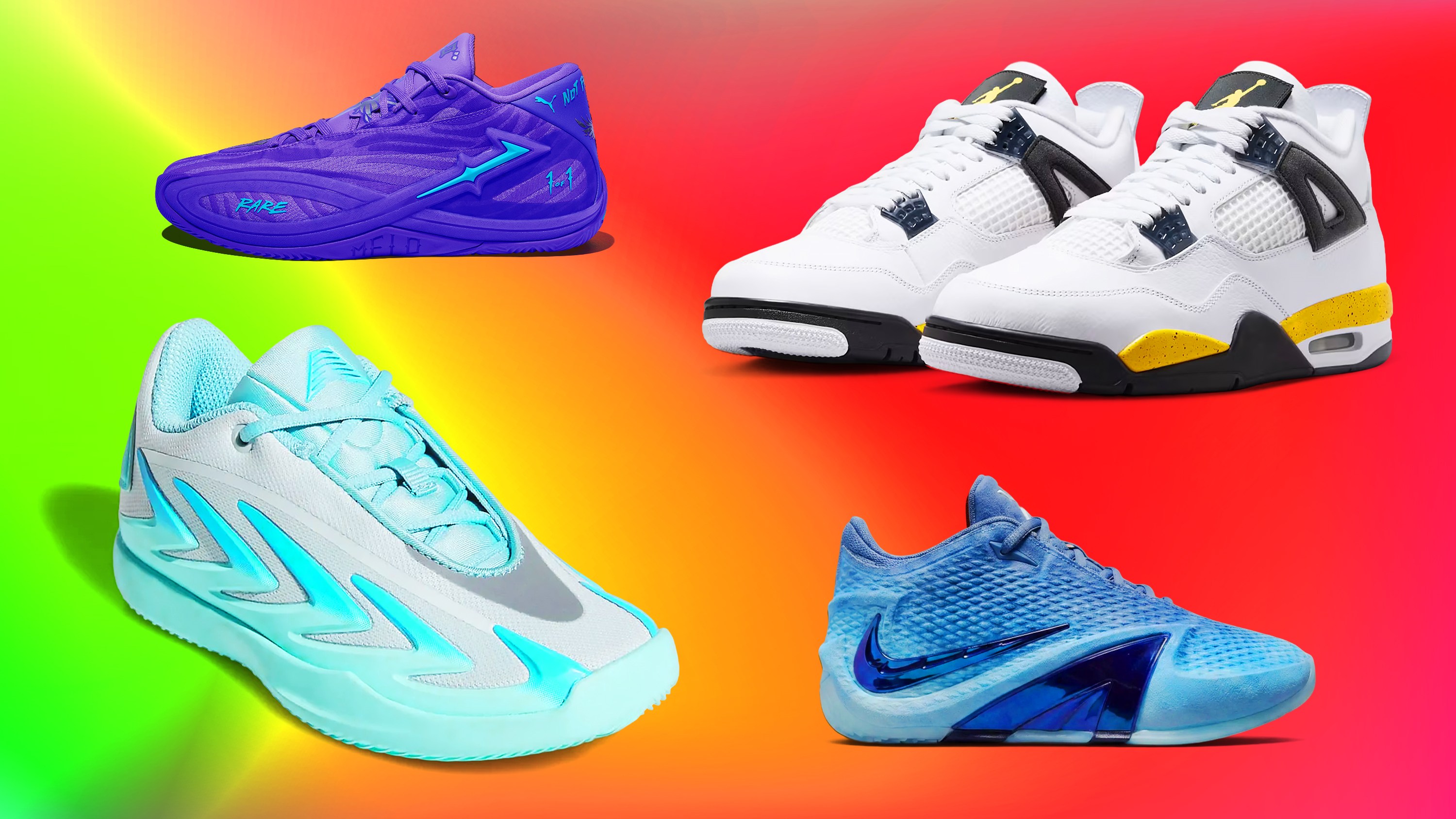
Unveiled last week in New York City, the X2 collection, dropping globally on June 16, extends beyond home and away jerseys to include anthem jackets, pre-match lifestyle pieces, and sneakers designed in collaboration with local creatives and meant to exist outside the 90 minutes of play.
“That’s what we wanted the fan to connect with,” said Hami Delimi, Nike’s global senior brand director for energy marketing.
In a recent interview with Andscape discussing Nike’s World Cup-linked collection, Vincent Van De Waal, creative director at Patta; Guillaume Schmidt, co-founder of Patta; and Matte Babel, NOCTA co-founder and chief brand officer of DreamCrew, joined Delimi in describing a process that was global from the start, even if it via specific local references.
Delimi said the concept “did start with Canada” before expanding across markets worldwide, with an emphasis on balancing global reach and local detail.
“We wanted to assure this was going to be a global project with global representation,” he explained, while still “going deep into the local specificity of the different countries, federations and partners we were working with.”
That balance shows up in how the collection was created. No longer regarded as stand-alone uniforms, national kits exist as part of an ecosystem that portrays a team’s personality ahead of kickoff.
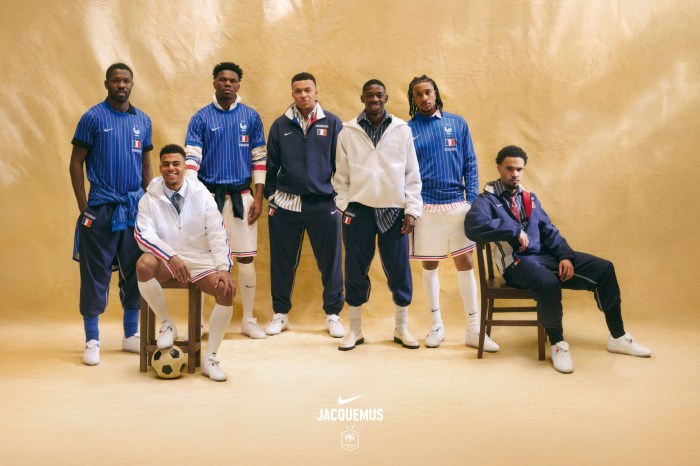
Nike’s X2 initiative offers a unique example of how soccer apparel is increasingly being treated as a cultural platform, not just an on-field product. Rather than simply designing around national team partners, Nike paired seven federations with seven collaborators: NOCTA for Canada, Palace for England, Jacquemus for France, Patta for the Netherlands, Slawn for Nigeria, PEACEMINUSONE for South Korea, and the Virgil Abloh Archive for the United States.
Why World Cup kits became cultural collaborations
Nike
The partnerships are born from the belief that soccer culture is no longer defined solely by what happens on the pitch. Instead, it is shaped by the artists and creative communities who can share bits of a country’s heritage, maintain its traditions and build upon them.
A Dutch soccer story looks different through the lens of Patta than it does through a federation crest alone. The same can be said for Slawn’s interpretation of Nigeria or Jacquemus’ perspective on France. The collaborator becomes part of the storytelling of a nation.
Delimi described the structure as being “grounded into a performance through the pre-match jersey, the national anthem jacket and what we call Cryoshot,” adding that lifestyle products were non-negotiable from the beginning: “Because that’s what we wanted the fan to connect with.”
That connection sits at the center of both the opportunity and the risk. Nike soccer apparel remains rooted in performance, but its life cycle now extends far beyond the World Cup and the sport altogether, raising the stakes of the releases — appealing only to the players or diehard fans is no longer an option.
As Van De Waal put it, “soccer jerseys for so long are already like a fashion piece almost. … People mix them up already.”
That distinction has altered the modern creative process. Early concepts explored more experimental lifestyle directions, but the final result pulled closer to how people already wear soccer clothing in real life.
“We were like, all right, how can we make something that transcends even football [soccer] … instead of, like, cargoes? It’s cool, but it’s not really what we see here on the Canadian streets,” Babel said, while jokingly admitting the Canada national team’s kits have always been boring.
“So we wanted to push it a little bit,” Babel explained, “but also knowing how conservative the general public is in Canada, we wanted to make something that’s still wearable.”
The roots of kits as fashion
Like the sneakers often paired with them, soccer kits were being worn as fashion long before this summer’s World Cup. Supporters, diaspora communities and younger audiences have worn them beyond match settings, integrating them into personal style.
Whether worn as intended or not, performance still anchors everything. But even performance is now tied to how athletes are perceived in motion.
A recurring point in the conversation was that confidence shows up visually. Delimi emphasized that what the design team “heard clearly, and what resonated most from an energy standpoint, is that you perform better when you feel good, when you feel fly.”
Nike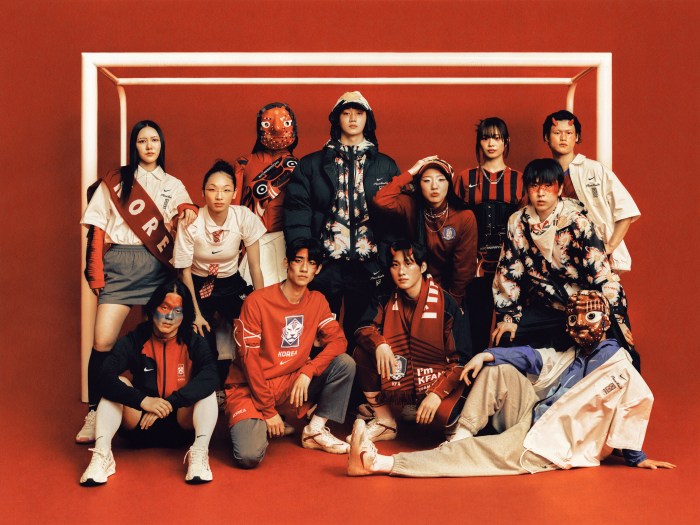
Nike’s partnerships are also indicative of soccer’s broader place in culture, with the brand’s choice of collaborators reflecting the sport’s evolution. Alongside each collection is a community organization, including Football Beyond Borders in England, Favela Street in the Netherlands, Bravehearts Ladies Foundation in Nigeria, and Coalitions for Sport Equity in the United States.
The structure shows soccer is more than just the on-field product or fashion influence. And when viewed through that lens, the modern soccer kit becomes more than a uniform, carrying different meanings depending on who is wearing it and where it is worn.
The pre-match aesthetic, for example, has become a key focus. As Schmidt explained, “Most of the time you have the advertising of the anthem jacket for example before the game starts. When we thought about doing this collection, we decided to really stick to what the real football fan is wearing or what they like to wear.”
Even as Nike defines those moments, there is recognition that soccer apparel already operates outside of institutional control.
That reality now dictates the design process and alters expectations, as commercial performance also shapes the outcome. All four creatives described the need to balance cultural specificity with everyday wearability, creating products that feel expressive enough to represent national identity, but still accessible enough to be worn widely and even passed down from generation to generation.
But Delimi pushed back against the idea of directly designing for timelessness.
“Not necessarily the idea,” he argued, “but you are hoping that you’re going to stamp like an era or generation.”
He linked that to how kits pepper our memories.
“I actually remember specific dates or eras based on the World Cup,” he said. “I know where I was in 1994, I know where I was in 2006.”
With that understanding, it’s easy to see why kits are revered as markers of time. Anchored to tournaments, but carried through culture long after.
As the World Cup kicks off this week, stadiums across the U.S., Canada, and Mexico will remain central hot spots. But kits will also circulate through airports, city streets, watch parties, and social feeds far removed from match context.
We’ll see ensembles of oversized denim, maxi skirts, even a reinterpretation of a 2000s-era jersey dress from the most ingenious of individuals treating any venue like a makeshift runway.
And the success of the World Cup kits will be measured not just in performance on the pitch, but in how widely that identity is worn when the tournament ends.
As Schmidt said, summarizing the vision of the modern soccer kit, the clearest indication of success is seeing “the kids wearing it in the street.”
The post Inside Nike’s bet on soccer kits as fashion language appeared first on Andscape.
What's Your Reaction?
 Like
0
Like
0
 Dislike
0
Dislike
0
 Love
0
Love
0
 Funny
0
Funny
0
 Angry
0
Angry
0
 Sad
0
Sad
0
 Wow
0
Wow
0