











Home Remodeling Contractor Decisions Change When Grandma Moves In


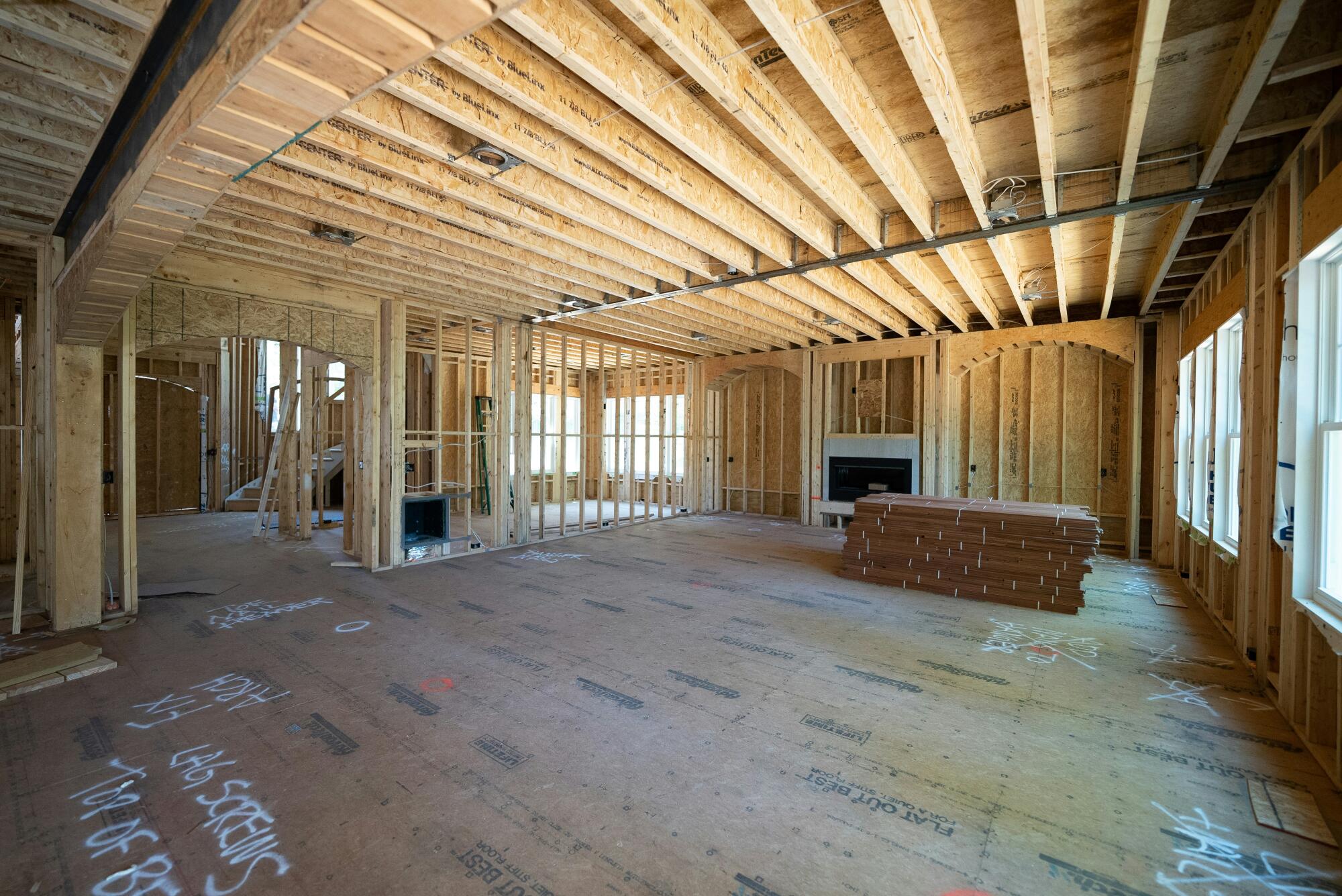
As more Black Americans bring different generations under the same roof, it means it is time to consult a home remodeling contractor specializing in universal design and accessibility upgrades supporting everyone from babies to grandparents. They should understand how to create separate, comfortable living spaces within the overall home, which may involve building an in-law suite or a walkout basement apartment. More black American families are returning to a tradition of intergenerational living that supports aging parents and cultural preservation, while building lasting family wealth through renovations that boost appraisal value needed for increased equity.
In 2023, the United States Census reported that as many as 1.3 million grandparents were still working to support basic care for co-resident grandchildren younger than age 18. Older parents may move in with adult kids to have more support for aging in comfort and, in turn, can often help with childcare. Regardless of who owns the home, structural updates may be needed for younger or older relatives.
What Does Multigenerational Home Renovation Require?
In a family home renovation where children and older relatives may reside, separate layouts can accommodate each generation, allowing everyone to have a comfortable daily routine. They may include different bathrooms, with one being more ADA-compliant.
An aging-in-place remodel for nanna or an older uncle involves a universal design remodel incorporating accessibility features like:
- Grab bars near toilets and inside showers.
- Walk-in tubs
- Wider entryways and hallways
- Zero-threshold showers
- Level handles instead of turnknobs
- Pull-out kitchen storage
You can also have separate houses sharing a wall, or as is common in the Northeast, a three-family home with three separate apartments in the same structure.
Having more residents in the home is the perfect reason to incorporate built-in storage to reduce clutter.
Consider adding transformable features like movable wall panels and modular furniture so a room can quickly convert into a:
- Home office
- Entertainment zone
- Playroom
How Can I Create the Ideal In-law Suite Conversion?
Even the most close-knit parents and grandparents want their privacy. You can create an In-law suite featuring a private entrance and independent amenities such as its own kitchen and a fully accessible bathroom.
Popular areas for these conversions include basements and garages. These locations can help older family members avoid stairs while still being attached to the main house. However, if upgrading your basement to a livable home space, it needs a proper egress window and enough ceiling height to pass inspection.
Having a separate in-law suite for your older parent is a good mixture of dedicated personal space and enough proximity to the rest of the family. If space permits, also consider adding an independent patio or deck area.
What Are the Legal Requirements Before Calling My Home Remodeling Contractor?
When searching for a home remodeling contractor, check for Universal Design Certification or a similar one. You’ll also need the right permits and to ensure you meet local zoning restrictions to avoid delays.
A good contractor will also understand the cultural components of a Black family renovation, such as:
- A sizable kitchen that makes gatherings easier
- Room for multiple cooks in the kitchen
- A porch
- Garden space
They should be willing to communicate with you to ensure grandma is as comfortable as possible in her new space.
Why Making This Transition Is Worth It
Black families living together beyond their nuclear circle is nothing new. These arrangements can help the family economically and ensure older relatives are still cared for and don’t have to rely on nursing homes. Plus, children get love and mentoring from older relatives who help forge good characteristics that they take into adulthood.
As Donna Butts, the Executive Director of Generations United, told The Black Media Authority in 2025, “Children who grow up around older adults are more patient, they listen more, and they are less likely to see people who are different from them as strange. The benefits are reciprocal – children grow, and elders feel valued.”
Doing so is also a savvy way to pool resources as a safety net against economic instability and rising housing costs. It can also help reduce caregiving costs while providing generational healing. Working together to pay off a mortgage and/or property taxes can make it easier to maintain and build equity in a home to prevent losing it before the next generation can inherit.
Multiple income earners in the same household can help protect against unexpected emergencies and economic uncertainty, such as massive layoffs that many Black Americans have dealt with within the past year. Caregiving for both children and older relatives can come from other family members to avoid another expense.
Frequently Asked Questions
Are Multi-generational Homes Coming Back?
A recent 2026 NPR report confirmed that more generations living under the same roof are becoming more common, but of course, for some ethnicities, it never went away. One of the reasons for this living arrangement for some is to share a mortgage and get help with childcare. One person who spoke for the report mentioned that her parents helped to act as second parents to her child.
The President of a leading homebuilder cited in the report stated that many are adjusting by having a home within a home (private kitchenette and entrance, among other amenities).
What Generation Owns the Most Homes?
Baby boomers remain the largest owners of real estate in the United States and account for 42% of recent homebuyers, according to the National Association of Realtors. They’re often able to buy a property completely in cash by pulling equity from a previous home.
Baby boomer ownership is followed by Millennials, who come in at 29%. Generation X is leading the way for single-female homebuyers at 30%.
Live In Style With Older Relatives
Contacting your local home remodeling contractor is the next logical step for any Black American family who’s ready to host different generations from nanna to an auntie. You can ensure everyone has a space that fits their phase of life, such as in-law suites or basement apartments that create a home within a home. Strategically increase your home value to create a property that’s equally worthy of passing down to future generations.
Are you considering a home expansion or upgrade? Check out other articles for home improvement guides.
What's Your Reaction?
 Like
0
Like
0
 Dislike
0
Dislike
0
 Love
0
Love
0
 Funny
0
Funny
0
 Angry
0
Angry
0
 Sad
0
Sad
0
 Wow
0
Wow
0