








At the Met Gala, athletes became fashion’s most convincing art

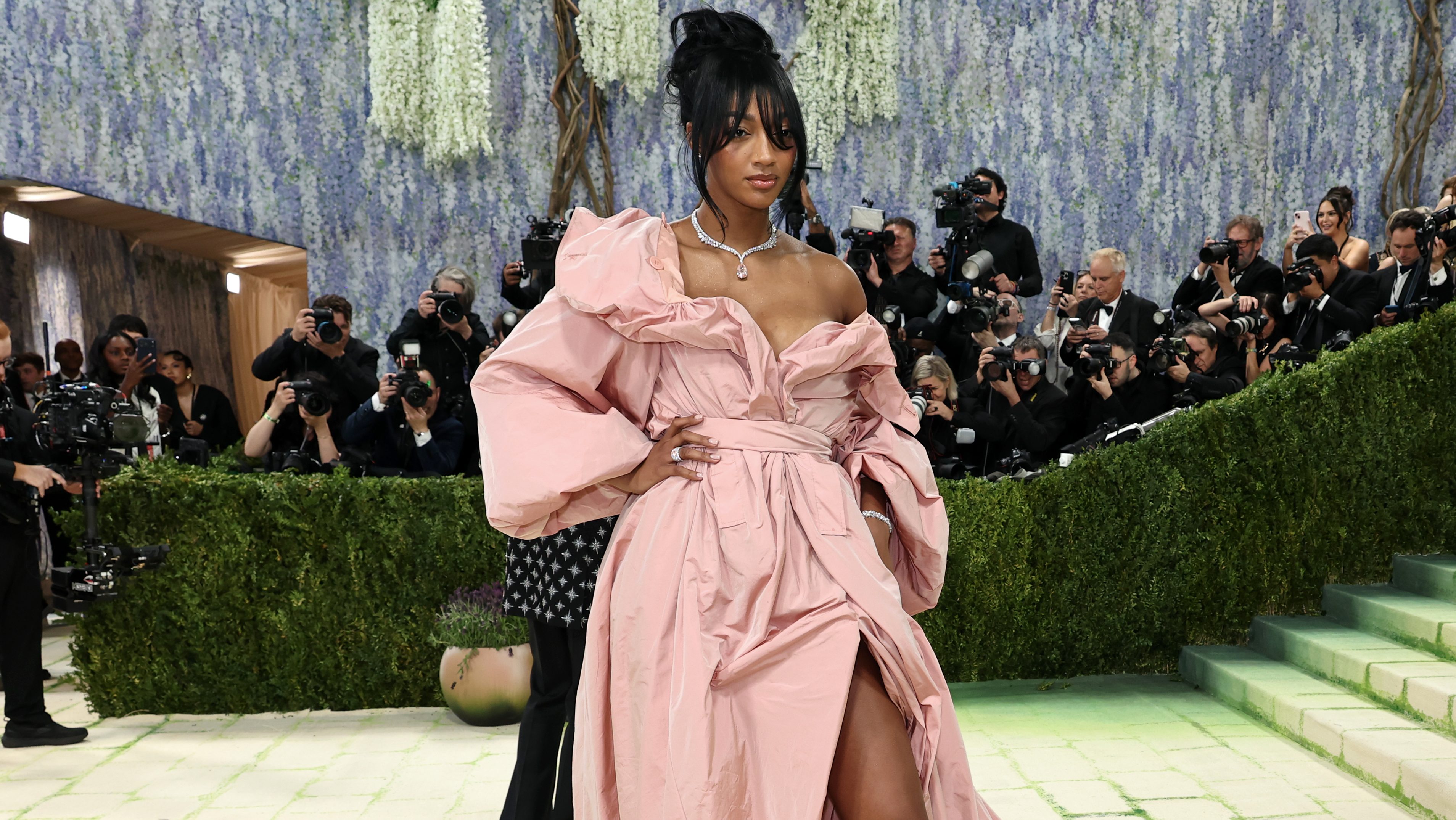
On the first Monday in May, the steps of the Metropolitan Museum of Art were transformed into a hand-painted stone pathway, serving as the entrance to fashion’s most-watched night. It’s fashion’s Super Bowl, if you will, and a fundraiser for the Costume Institute.
Designers dressed guests who were hand-picked by Vogue magazine’s longtime editor, Anna Wintour, for the night’s theme, “Fashion is Art,” tied to the Costume Institute’s spring 2026 exhibition, Costume Art. The result was an easy case for the growing overlap between sports and fashion.
Given Vogue’s consistent merging of high fashion and sports, it’s no surprise this year’s Met Gala showed the power of dressing up bodies we’ve seen in motion. The outlet has leaned into athletes for some of its most defining moments, from Serena Williams announcing her retirement in a 2022 cover story to Angel Reese revealing her decision to go pro in 2024.
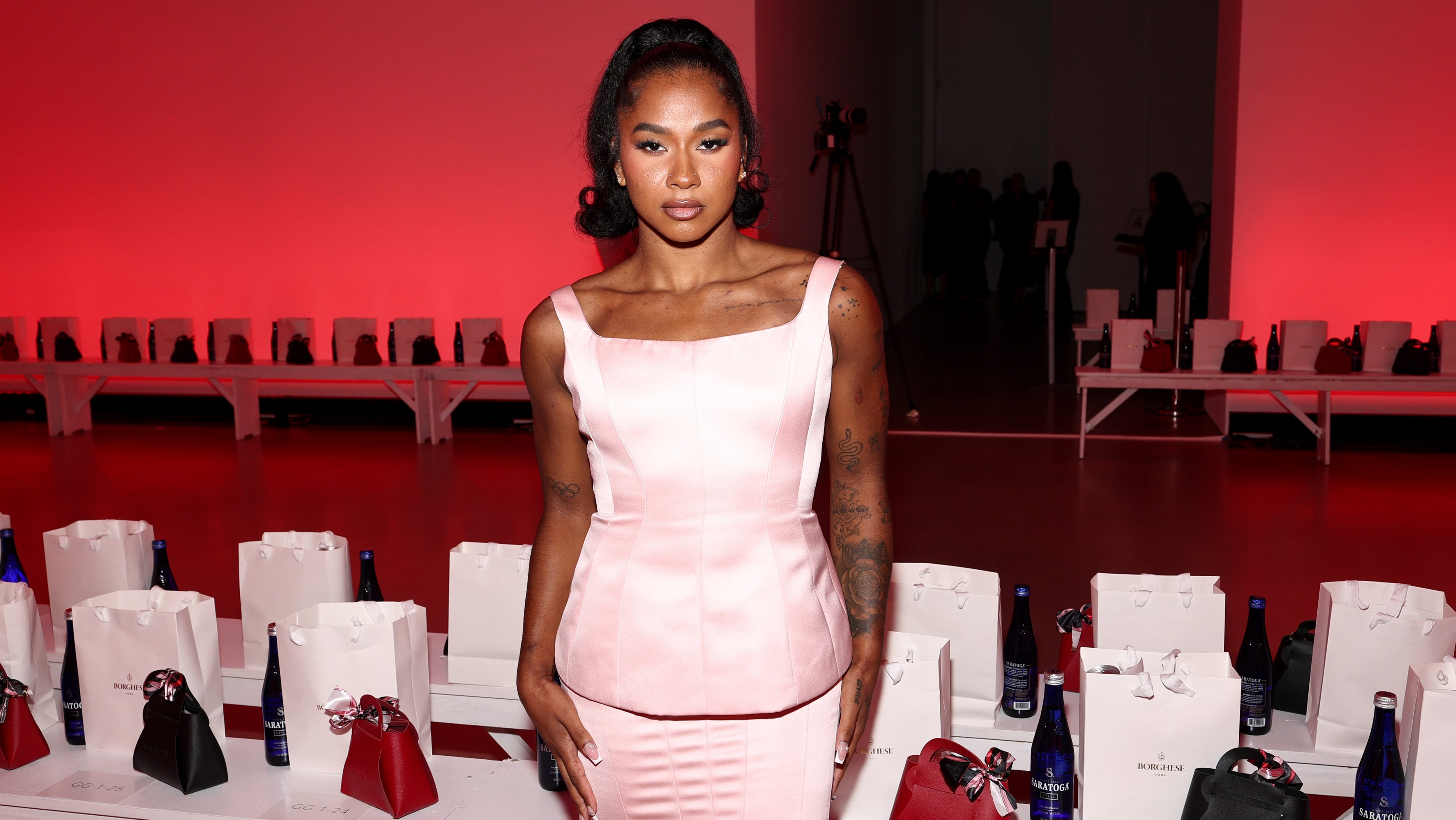
Reese looked as if she had stepped out of a Renaissance painting in a custom-woven taffeta Altuzarra gown inspired by Thomas Gainsborough, with a trench coat transformed into a draped, off-the-shoulder silhouette.
“Angel Reese’s look explores a different artistic relationship to the body: inspired by Jean-Honoré Fragonard and the romance of déshabillé, where clothing feels undone and alive,” Altuzzara captioned its Instagram post showing Reese.
Reese wasn’t the only WNBA player on the stone pathway steps. Las Vegas Aces forward A’ja Wilson also showed the relationship between bodies and clothing more directly.
Designer Prabal Gurung dressed Wilson in a gold-textured French-style jacquard-woven fabric that’s designed to mimic the look of hand-stitched quilting, a strapless gown with cape sleeves, because, as he told Women’s Wear Daily, “She’s the gold standard.”
Obviously, Wilson agreed.
“It’s kind of a parallel to my life as well — everything I touch is golden,” she told WWD. “I want it to be, I want to win. But also, the look is a texturized, oxidized gold. It’s so key to my life, but also shows the texture and fluidity of the dress and caped sleeves.”
In February, Wilson told Andscape at the Miami Heat’s White Hot Gala that she was excited to attend this year’s Met Gala after missing last year’s because of a scheduling conflict.
“I think fashion and how it’s been a crossover now into sport is a beautiful way to showcase the versatility as women, whether that’s through our clothes, hair, anything. I’m excited to be here, to see everyone but also put on my own [glam],” Wilson said.
Rounding out the WNBA representation was Dallas Wings guard Paige Bueckers in a paint-splattered look by Coach, one of the league’s longtime sponsors. Coach creative director Stuart Vevers designed the three-piece black wool-and-satin tuxedo with broad-peak lapels.
An athlete’s tunnel fit offers a real‑time example of how the relationship between body and garment mirrors an artist working on a canvas, and movement completes the work.
That idea isn’t limited to red carpets. It shows up nightly in arenas, too.
Just last month, we saw a great example of this. San Antonio Spurs forward Kelly Olynyk gifted each of his teammates a custom suit from New York-based tailor Amin to celebrate the team’s arrival in the playoffs. Still, it was seeing the suit on the height and frame of Victor Wembanyama that made the garment into an actual work of art.
So it’s not surprising that Minnesota Vikings wide receiver Justin Jefferson, wearing New York-based high-end streetwear brand Who Decides War, understood what was needed. So did retired NBA star Dwyane Wade in a frayed, sleeveless Michael Kors tuxedo, and NFL quarterback Russell Westbrook in a bright blue custom Gap look reimagined by Zac Posen, the color chosen a nod to French artist Yves Klein.
The night also made space for people with disabilities and the importance of accessible design. Activist and model Lauren Wasser attended wearing gold prosthetic legs. Model and musician Aariana Rose Philip, who has quadriplegic cerebral palsy, became the first wheelchair user to attend the Met Gala. She wore a custom Collina Strada gown.
While traditional runways continue to struggle with true representation, this year’s Met Gala offered something rarer: It shared a convincing glimpse at what fashion could look like as it continues to merge with sport.
The post At the Met Gala, athletes became fashion’s most convincing art appeared first on Andscape.
What's Your Reaction?
 Like
0
Like
0
 Dislike
0
Dislike
0
 Love
0
Love
0
 Funny
0
Funny
0
 Angry
0
Angry
0
 Sad
0
Sad
0
 Wow
0
Wow
0