




WNBA Player Exclusive sneakers are everywhere, but fans still can’t buy them

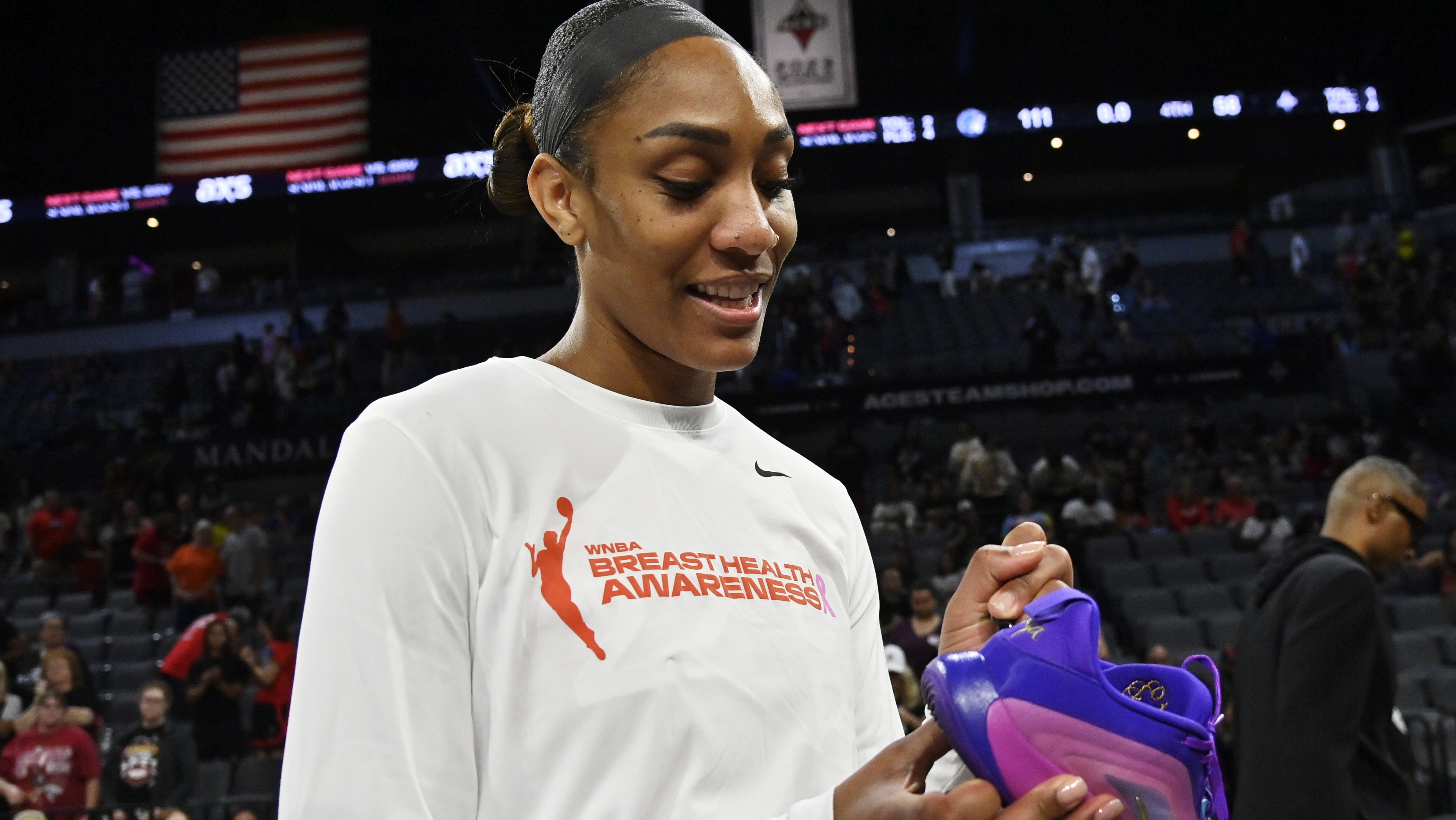
When Las Vegas Aces star A’ja Wilson stepped onto the Target Center floor last July wearing a black Nike LeBron 21 detailed in the pink and green of her sorority, Alpha Kappa Alpha, it didn’t take long for the image to circulate. Screenshots spread. Group chats lit up.
Then came the inevitable question from fans who recognized both the shoe and its meaning: Where can I buy these?
The answer, as it so often is with WNBA Player Exclusives, was nowhere to be found.


 @_ajawilson22 // #ALLINLV pic.twitter.com/WZWPxZyq12— Las Vegas Aces (@LVAces) July 25, 2025
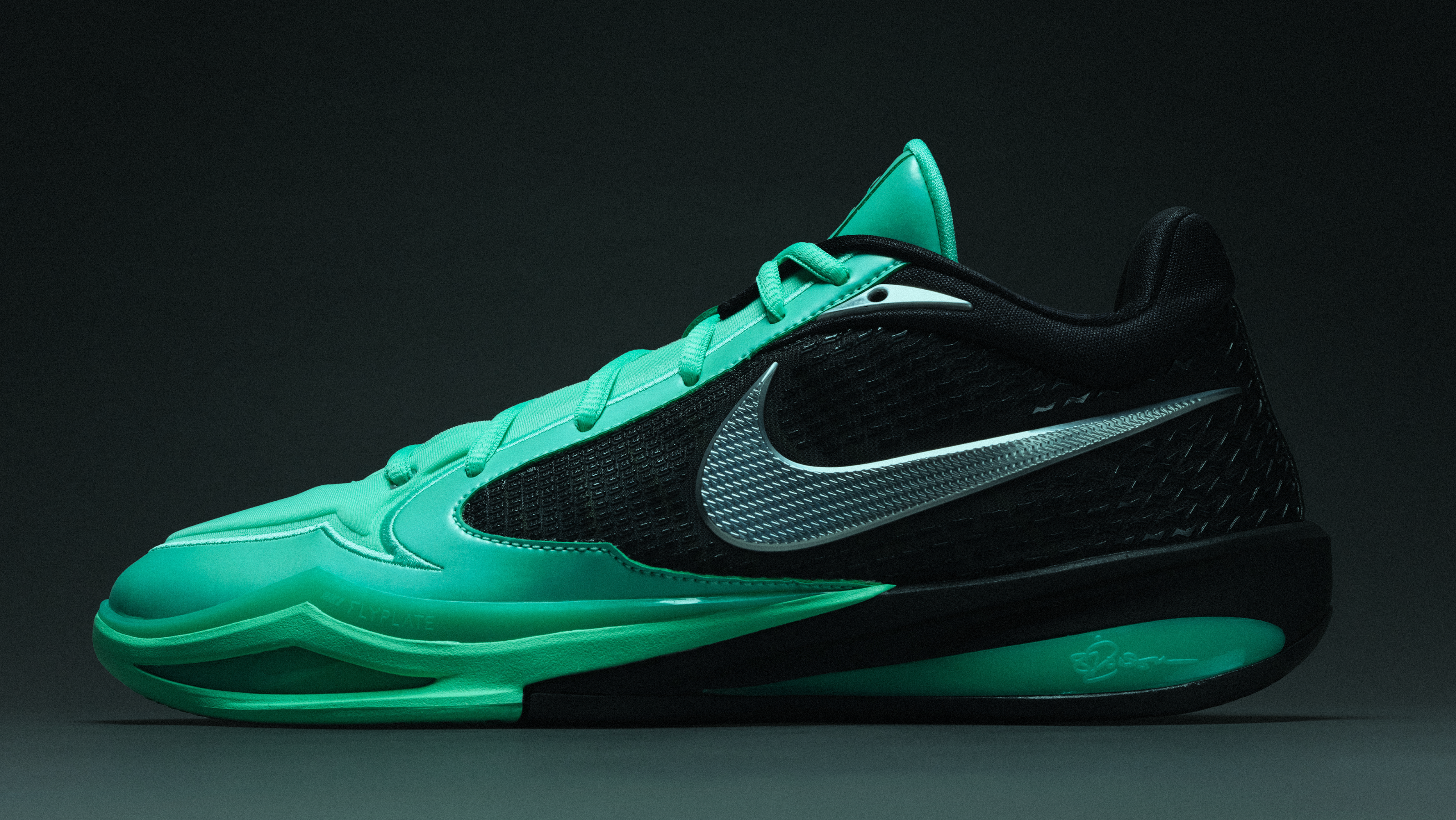
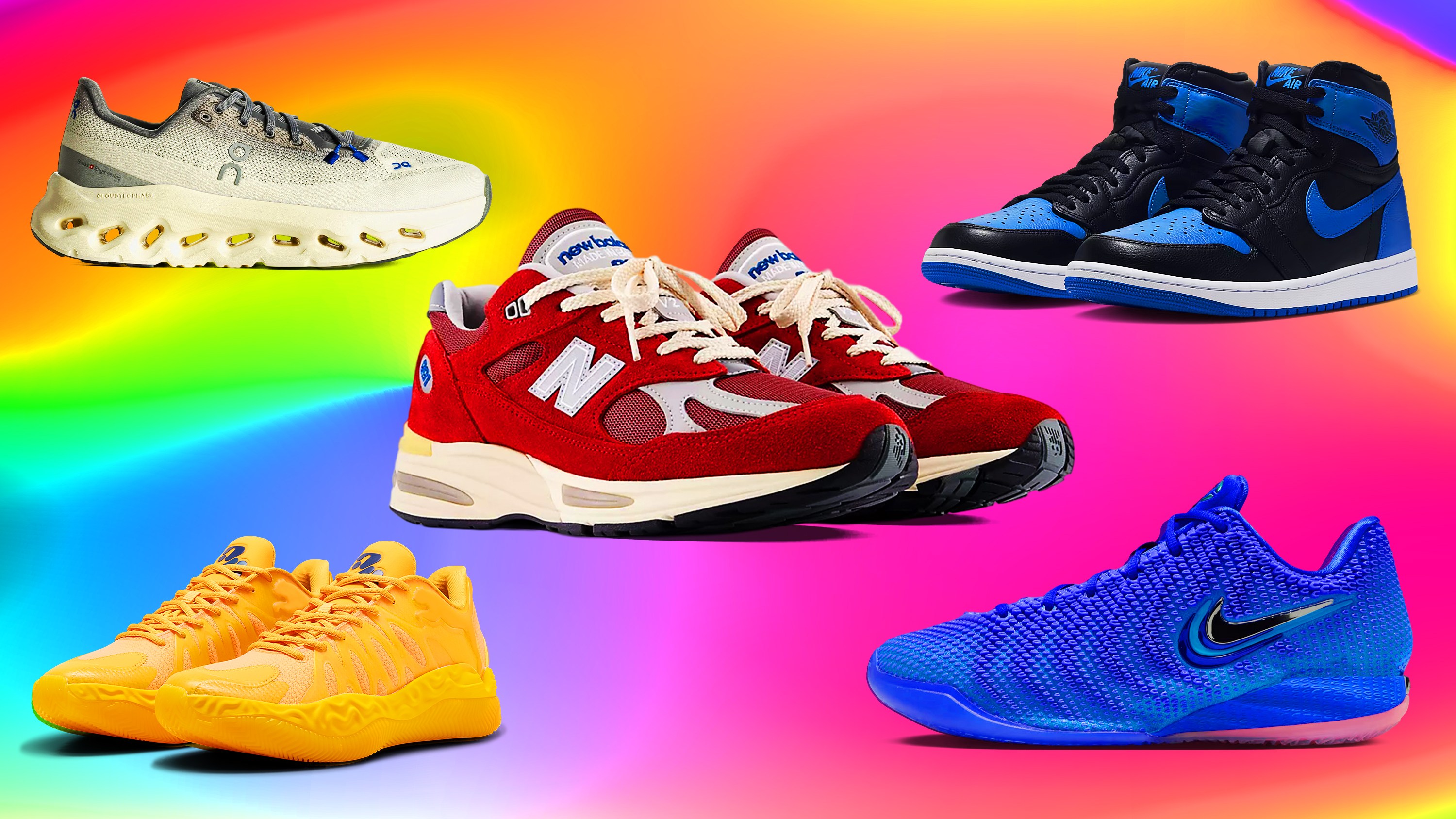
In recent seasons, Player Exclusives (PEs), the one‑of‑one or limited‑run sneakers created specifically for an athlete, have become increasingly common across the league. These are shoes built around personal identity, milestone moments, or cultural references, designed to be seen but not necessarily sold.
On the men’s side of basketball, PEs have long functioned as status symbols and unofficial test runs, shaping future releases and signaling which athletes a brand is investing in. In the WNBA, their presence has grown just as visibly and deliberately.
What hasn’t followed is public access.
As the WNBA heads into its 30th season with unprecedented media attention, PEs are showing up on court in greater numbers than ever. Fans are taking notice, and the appetite is clearly there. Yet most of these looks never move beyond their debut moment, stopping short of a wider release. This creates more disparities between a shoe’s impact and its accessibility, shaping how women’s basketball sneaker narratives are built — and who gets included.
“The growing excitement around women’s Player Exclusives comes from how personal they are,” Shacari Sanchez, senior product manager of technical performance at Skechers, told Andscape. “Each design gives fans a closer look at the athlete behind it.”
Skechers athlete Kiki Iriafen, for example, wore a personalized iteration of the SKX NEXUS last season to celebrate her Nigerian roots. Arriving in the “Okikiola” colorway, gold detailing nods to what the Washington Mystics star wore the night she was drafted No. 4 overall in 2025.
“There are so many elements I love, but a few standouts are the lace detailing inspired by my draft day dress, and the beaded shoelaces that pay tribute to the bracelets I wore that night,” Iriafen said of her PE.
Katelyn Mulcahy/Getty Images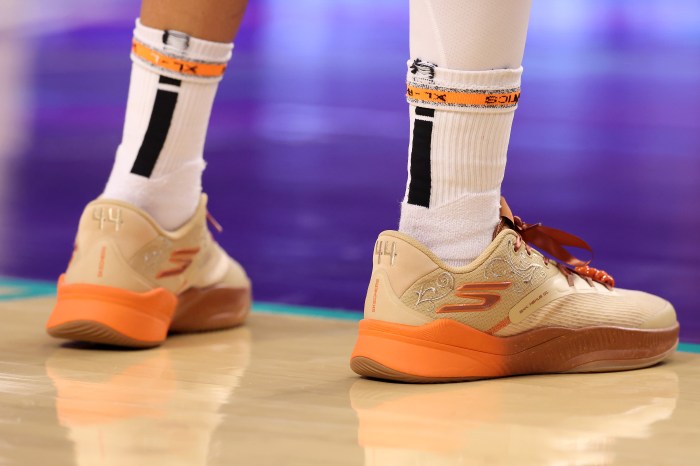
That shoe, like so many other PEs, has not been made available at retail.
Sabrina Ionescu’s long‑standing relationship with Nike further illustrates the progress and the limitations within women’s sneaker culture. Her debut model, the Sabrina 1, reached the public and quickly became popular among players at multiple levels, appearing across the NBA and WNBA and worn by players such as Jrue Holiday, Jalen Brunson and Tyrese Haliburton.
Before and alongside that release, she wore PEs that never extended beyond her inner circle. The visibility was wide, but access was narrow.
There are exceptions. Several of Indiana Fever guard Caitlin Clark’s Nike Kobe Protro pairs have reached retail, offering fans a rare entry point. Earlier this year, Jordan brand’s Heir Series 2, fronted by Minnesota Lynx forward Napheesa Collier, turned that same PE-inspired storytelling into a product fans could actually buy.
But those moments are inconsistent and remain the exception, not the rule. Brands offer fans proof of what’s possible but don’t give them the widespread access they crave.
“The growth of women’s Player Exclusives really reflects the momentum around women’s basketball and the impact athletes like Cameron Brink are having right now,” Kevin Trotman, global senior product manager for New Balance’s basketball division, told Andscape. “Fans want to feel closer to the players they admire, and for athletes, PEs are a way to merge performance with their personal style and storytelling.”
Brink became the brand’s first women’s basketball athlete in August 2023 and has since played in several PEs, including a purple TWO WXY v5 featuring her silhouette on the tongue. None of the PEs Brink has worn have been available for purchase.
As athletes like Brink emerge as fashion figures off the court, sneakers become more than performance gear — they’re extensions of personal story and style. That’s what draws fans in.
But the connection has to lead somewhere. When those ideas stay locked to the court, momentum stalls. Storytelling without access leaves demand on the table.
The blueprint existed. The WNBA was never part of it.
To understand why this matters, it helps to look at what PEs have historically meant in basketball. In the NBA, PEs have often served as a testing ground and reward system. A rising player might receive a few custom pairs as their celebrity increases, whereas a bona fide star might hoop in dozens each season.
Some of those designs, especially those that resonate with the sneaker and basketball communities, can become general releases. Michael Jordan’s early colorways with Nike helped define how storytelling and product could work together. Kobe Bryant and LeBron James saw their PEs evolve into full retail strategies, ranging from limited drops to global campaigns.
Women’s basketball was largely excluded from that pipeline.
While more players now receive custom designs, in the past, signature deals were rare. Marketing budgets were smaller. Brands assumed demand was too low to justify investment. As the popularity of women’s basketball grows, that theory is being tested.
There are several reasons for the shift. Global appreciation of the league has skyrocketed, leading to increased visibility, especially with the arrival of a new generation of stars who entered the pros with established followings.
College basketball has become a stronger feeder not just for talent, but for the audience. Players are increasingly operating as content creators, capitalizing on sizable social media followings to build their own brands outside of hooping.
And finally, companies are starting to recognize that women’s sports are not a niche product but a permanent fixture of media consumption.
And yet, even as PEs multiply, most still never reach the public.
Noah Graham/NBAE via Getty Images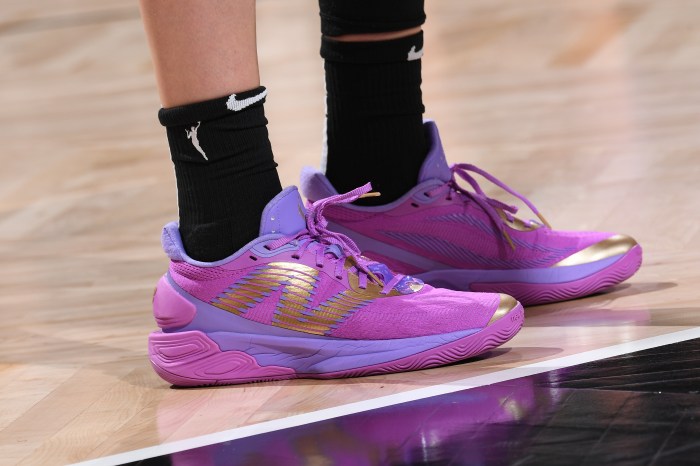
There are practical reasons for this. Production runs for sneakers are orchestrated months in advance. Creating a one-off or small-batch pair is easier than committing to a full release across varying sizes. Companies rely on forecasts, and those projections are still shaped by outdated ideas about who buys basketball shoes.
Internal priorities matter as well. Marketing budgets often flow toward established men’s lines, where the return is seen as more predictable.
But there’s a strategic counterpoint: Scarcity builds value. A PE that only appears on a national broadcast or in a viral online clip has the potential to create a sense of urgency and desirability. Fans take screenshots of the shoe, share them, and ask how to buy them. When the answer can’t be easily found, the mystique grows.
Social media accelerates this effect. Sneaker accounts post close-ups. Followers debate design choices. Some look for ways to replicate the look with available models. The influence spreads without a transaction ever taking place.
But who benefits from this cycle?
On one level, players gain visibility. Being associated with unique designs can elevate a personal brand. It signals investment from the shoe manufacturer, even when that support stops short of mass production. For some, PEs are a step toward a signature deal.
Fans, however, are kept at a distance. They admire from afar and call for a drop, but pleas are brushed aside. For a culture revered for collecting and wearing the same shoes as players, that disconnect can’t be ignored.
Evan Yu/NBAE via Getty Images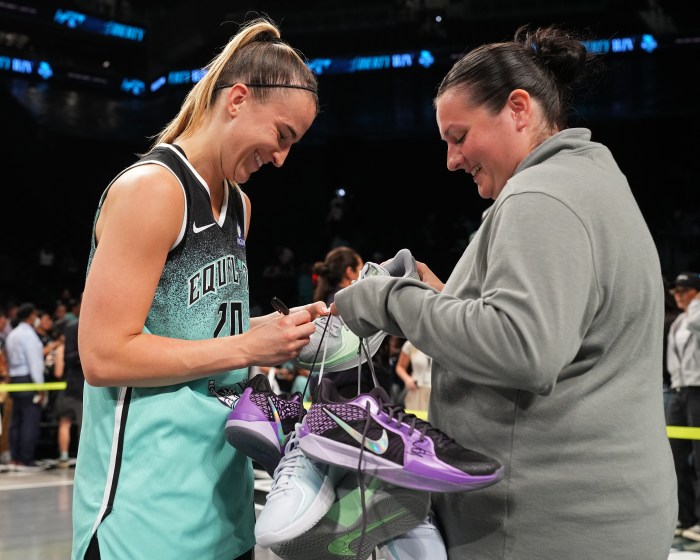
It also limits how fans identify with and participate in the culture. Sneaker culture is more than just performance; it also signals personality and taste. If supporters can’t buy into a player’s aesthetic, they lose a tangible way to connect. That matters especially in a league such as the WNBA, where increasing year-over-year fan engagement remains a priority.
Momentum is real, but commitment lags
Brands sit in a comfortable position. They gain cultural capital from the attention these PEs generate. They can advertise their connection to the WNBA, attaching themselves to a growing league without committing to the responsibility of a full product rollout. They gain data on which designs resonate among the sneaker community without risking much if a PE turns out to be a dud.
But competition and rivalries between the brands could shift the math. If one company commits to turning PEs into consistent retail success, others are forced to respond. In the same way signature lines in the NBA became a core part of business strategy, women’s collections could follow a similar path if the incentives align.
Over the next several months, new PEs will continue to appear across WNBA broadcasts and social feeds. The next step is turning those moments into something lasting.
Not every PE needs to become a mass release. But if this wave of visibility doesn’t lead to more consistent access, the gap between influence and investment will remain, leaving fans to watch the culture evolve from the outside.
The post WNBA Player Exclusive sneakers are everywhere, but fans still can’t buy them appeared first on Andscape.
What's Your Reaction?
 Like
0
Like
0
 Dislike
0
Dislike
0
 Love
0
Love
0
 Funny
0
Funny
0
 Angry
0
Angry
0
 Sad
0
Sad
0
 Wow
0
Wow
0