



What The DOJ’s Actions Signal About Speech, Power, And Black America


When Black people speak, there has always been a cost.
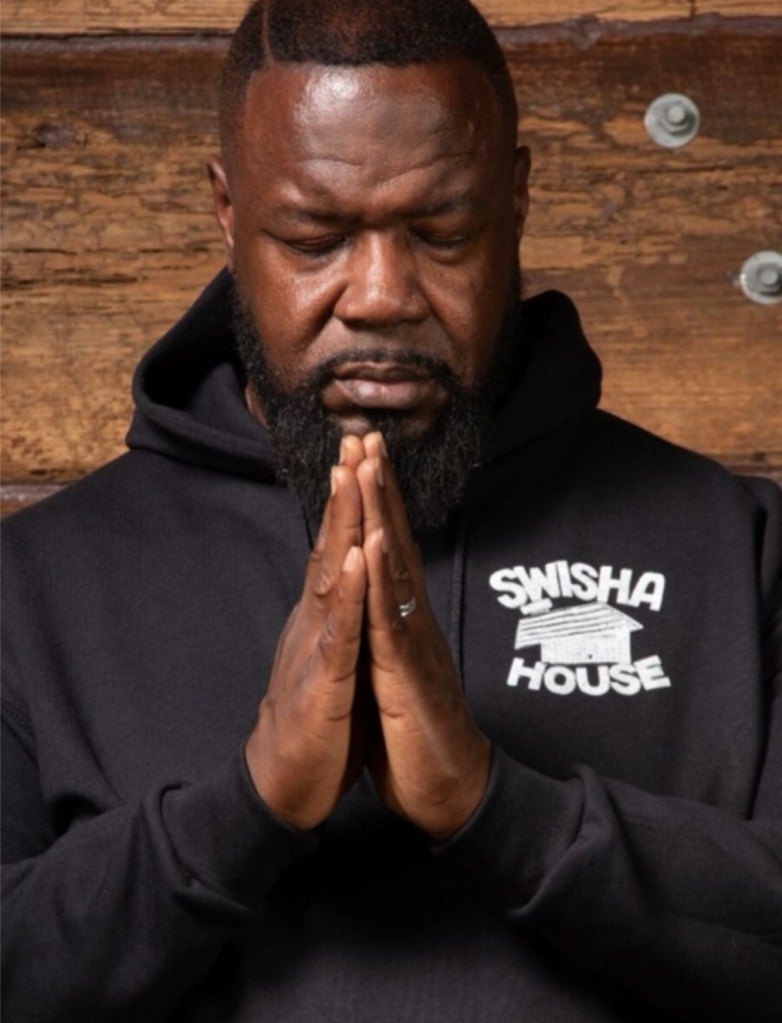
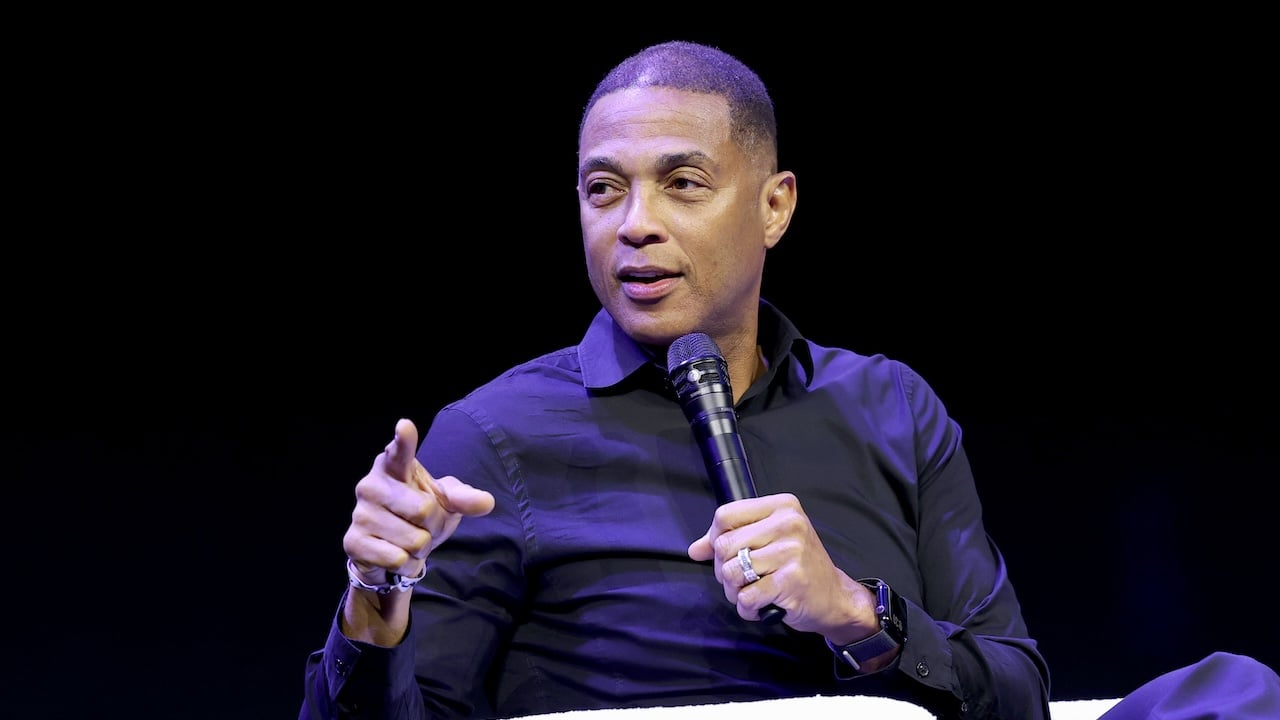
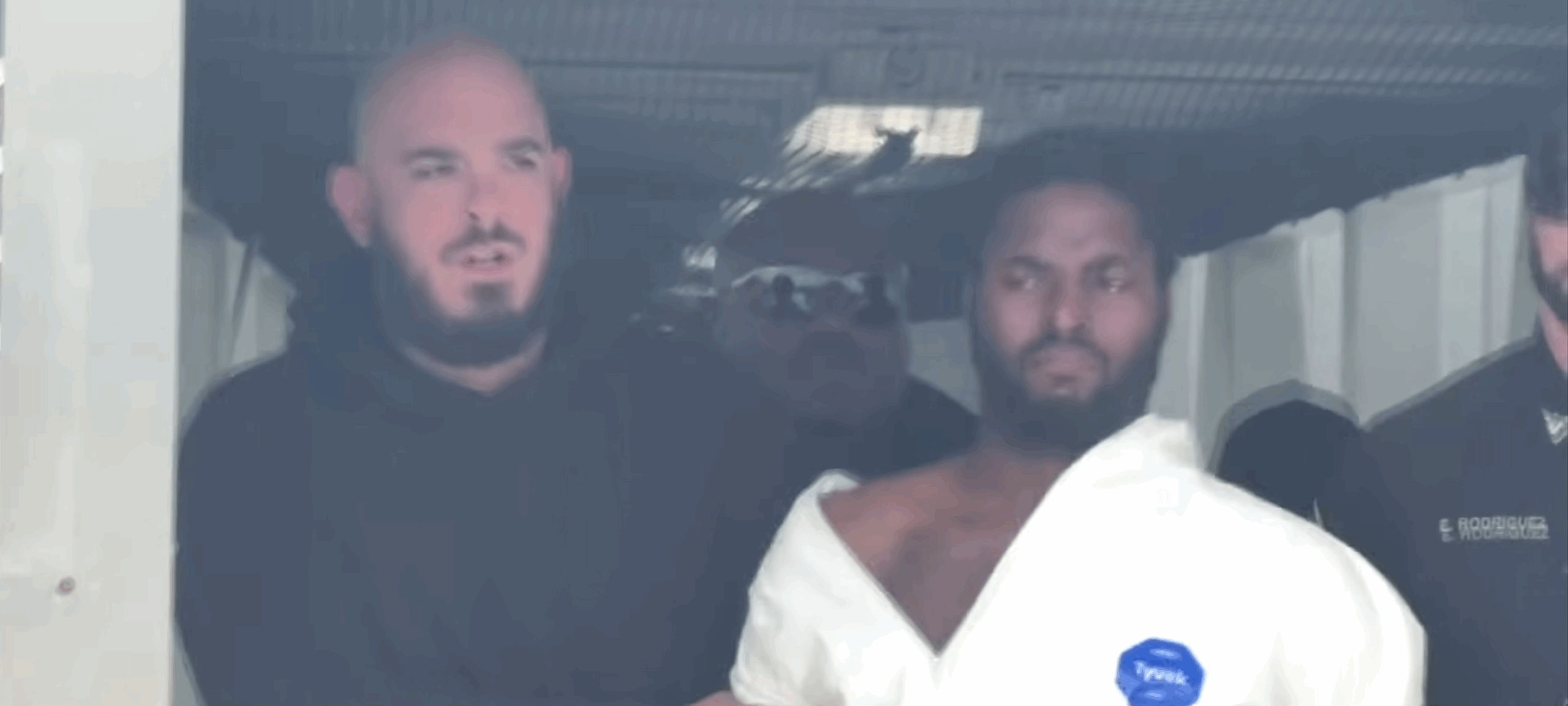
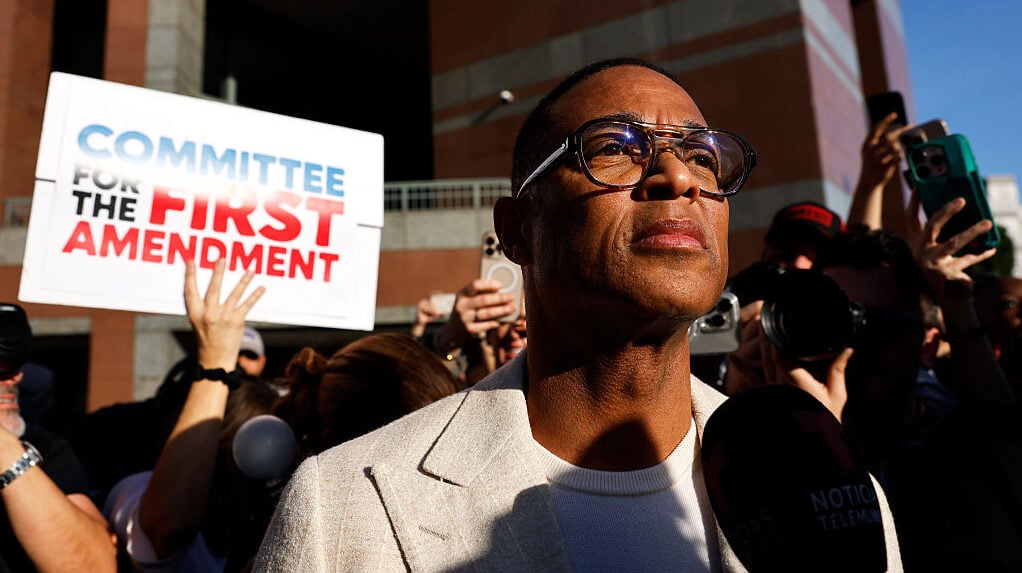
That truth sits at the center of the recent arrests of four Black journalists—Don Lemon, Georgia Fort, Trahern Crews, and Jamael Lundy—by the U.S. Department of Justice on January 30, 2026. All four were reporting from a church in St. Paul, Minnesota, after protesters interrupted a service led by Pastor David Easterwood, who also serves as the local ICE Field Director.
Even after a magistrate judge rejected criminal charges against Lemon. Even after it was clear these journalists were not protesters, organizers, or disruptors, but reporters. These arrests weren’t about public safety. They weren’t about order. They weren’t even about the right to worship. They were about power and about reminding Black people what happens when we refuse to remain silent.
This moment cannot be separated from a broader political climate in which Black people who dare to use their voices, especially Black journalists and independent media makers, are increasingly targeted, censored, and criminalized for telling the truth. These arrests are not anomalies; they are warnings. They are meant to disrupt. To cause panic. To instill fear. They demonstrate how quickly constitutionally protected speech under the First Amendment can be reframed as disorder, how documentation can be treated as defiance, and how speaking too clearly can invite punishment.
From a legal standpoint, the implications are deeply troubling.
The First Amendment guarantees both the free exercise of religion and the freedom of speech and the press. Courts have long recognized that journalists have a right to observe and document events in public spaces, particularly when those events involve government officials or matters of public concern. That protection does not disappear simply because reporting makes people uncomfortable or because the truth disrupts carefully curated narratives.
What makes this case even more alarming are reports that the DOJ considered invoking the Ku Klux Klan Act of 1871 as a potential legal basis for the arrests. According to that theory, a coordinated disruption of a church service could be construed as depriving worshippers of their First Amendment right to the free exercise of religion.
The irony is staggering; not because the law is unclear, but because it is being bent to do what it has always done best: discipline Black speech.
The KKK Act was enacted to protect Black people from racial terror, intimidation, and organized white violence, particularly violence meant to suppress Black political participation and speech. To now see that same law floated as a justification for arresting Black journalists is not just legally dubious; it is historically perverse.
This misapplication is part of a pattern.
The KKK and aligned forces have long sought to silence Black people. From policing to Black Codes, from Jim Crow laws to COINTELPRO, from mass incarceration to modern surveillance, the legal system has repeatedly been used to discipline Black speech and punish those who refuse to stay quiet. The message has always been the same: speak at your own risk.
These enforcement tactics are as American as apple pie.
What we are witnessing now is the modern version of that same project. When the state blurs the line between accountability and criminalization, it creates a chilling effect that extends far beyond the individuals arrested. It tells every Black reporter, every independent media maker, every citizen journalist documenting injustice: you could be next.
Black journalists already operate under heightened scrutiny. They face bad-faith attacks, coordinated harassment, credibility challenges, and disproportionate consequences solely for performing their duties. Arresting them for reporting can teach silence. And that silence has consequences.
When journalists are deterred from reporting, the public loses access to information. When truth is chilled, accountability erodes. When the state punishes those who document harm, it becomes easier for that harm to continue unchecked. This is how democratic backsliding happens; not all at once, but through moments that test how much suppression we are willing to tolerate.
This is why the arrests of Lemon, Fort, Crews, and Lundy matter far beyond Minnesota.
The Trump administration has made no secret of its hostility toward a free press, particularly journalists who challenge its narrative or expose the human cost of its policies. Efforts to discredit reporters, undermine press legitimacy, and criminalize dissent are not isolated tactics; they are part of a broader strategy to control information and suppress opposition.
Black journalists like Lemon are often the first to feel the impact.
History tells us where this leads if left unchecked. But history also tells us something else: Black truth-telling has always been a threat to unjust power. And every attempt to silence it is an admission of that threat’s potency.
And Black people know that lesson all too well.
Preston Mitchum is a policy consultant, attorney-activist, and television personality whose work focuses on the intersections of racial justice, health and gender equity, and LGBTQ+ rights.
SEE ALSO:
Black Journalists And Black Freedom Go Hand-In-Hand
Don Lemon’s Arrest Is A Warning Shot At Black, Independent Journalists
What's Your Reaction?
 Like
0
Like
0
 Dislike
0
Dislike
0
 Love
0
Love
0
 Funny
0
Funny
0
 Angry
0
Angry
0
 Sad
0
Sad
0
 Wow
0
Wow
0