




Trump withdrew the U.S. from UN Permanent Forum on People of African Descent. Experts see a more sinister ploy.

Advocates say the Trump administration’s latest move sends a global message to world leaders and threatens the momentum for global reparations.
While it likely went unnoticed by many living in the United States, the Trump administration’s withdrawal from the United Nations Permanent Forum on People of African Descent is alarming advocates and international leaders. They warn that, though the move carries out President Trump’s year-long agenda to do away with DEI both domestically and abroad, the withdrawal also threatens momentum for racial and reparative justice around the world.
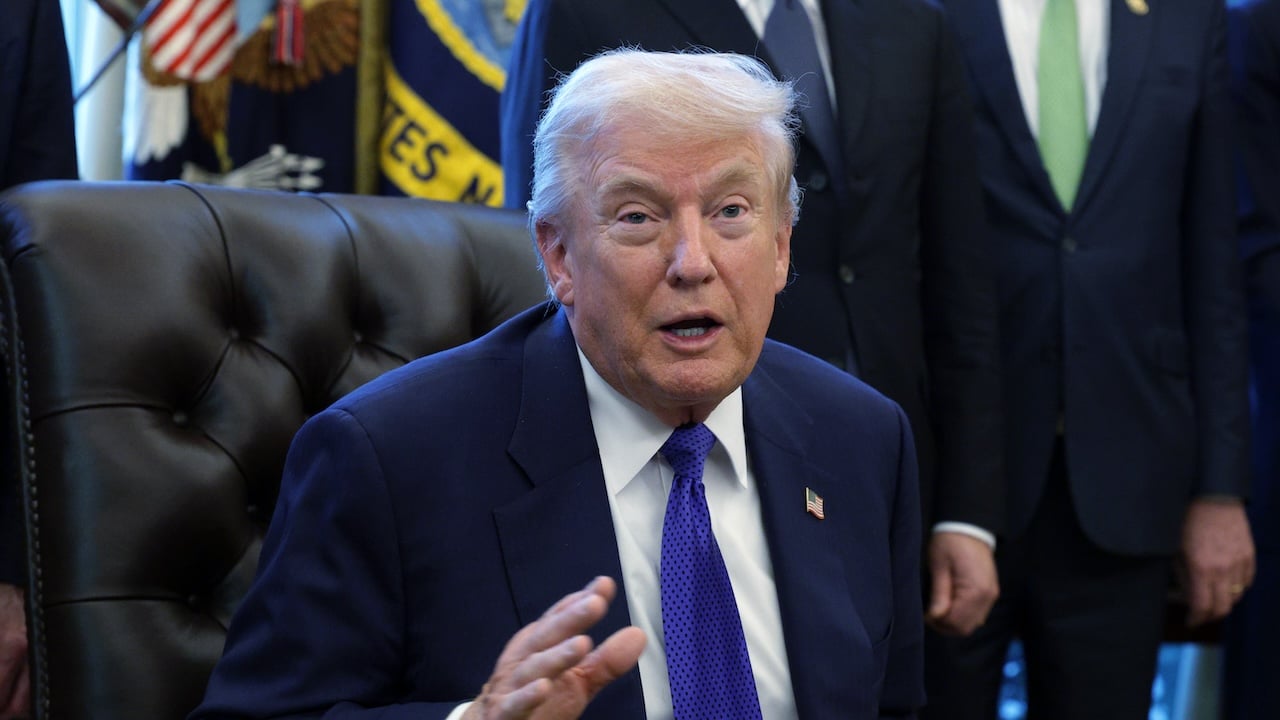
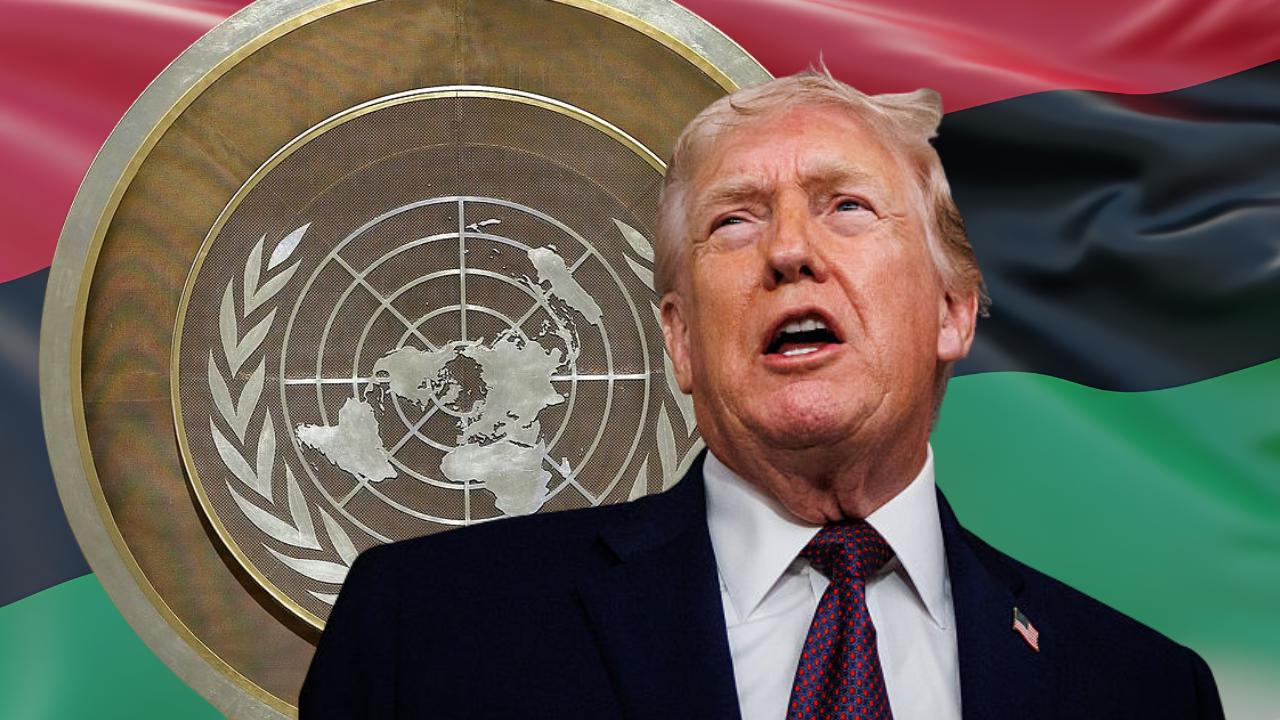
Last week, Trump signed an executive memorandum announcing the U.S.’s withdrawal from 66 international organizations. One of them was the UN Permanent Forum on People of African Descent, an organization created by the UN General Assembly in 2021. The group has convened annually since 2022 to constructively engage with the collective harms of global colonialism and to develop policy solutions that improve the lived outcomes for people of African descent, from the more than 40 million Black Americans in the U.S., to the 1.5 billion on the African continent, and everywhere in between, from the Caribbean to South America.
“It was a space where Black people from all over the world could come and share their struggles, but also share their joy and see themselves in each other, even if they didn’t share the same language,” said Desirée Cormier Smith, founder and co-president of the Alliance for Diplomacy and Justice.
Cormier Smith served as the first and only U.S. Special Representative for Racial Equity and Justice for the State Department under President Biden, where she pushed the administration to support the creation of the forum and co-led every U.S. delegation to its annual meeting since its inception.
“From the government perspective, this space was needed because it forced governments, for at least one time of the year, to go on record about how they supported people of African descent,” she told theGrio. 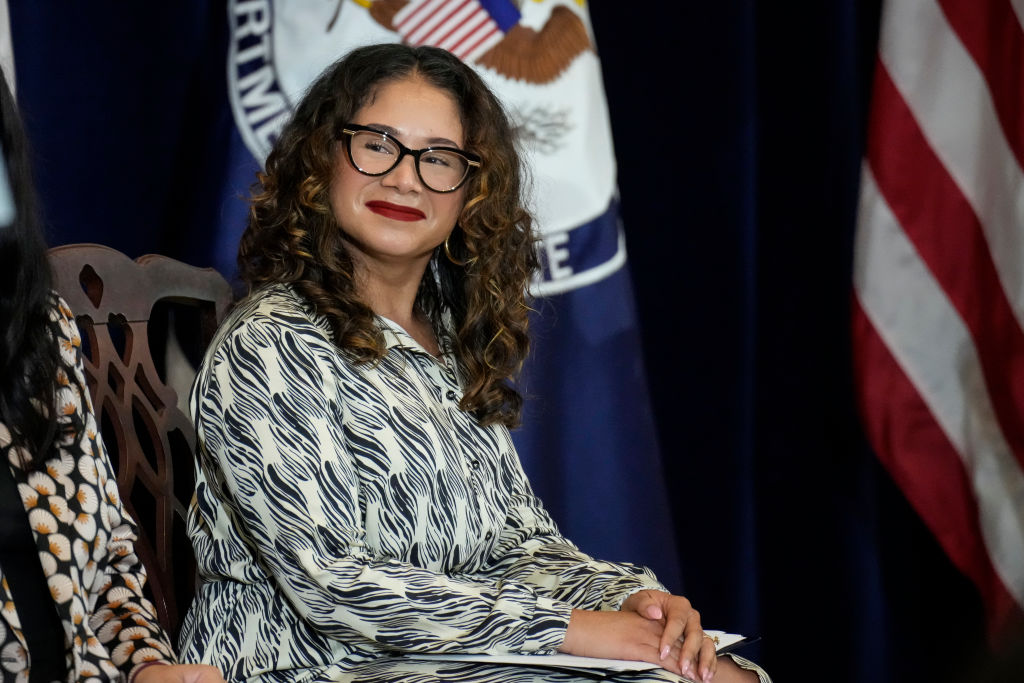
Bishop Joseph Tolton, a longtime Pan-African activist and founder and president of Interconnected Justice, described the Forum on People of African Descent as a way to “connect our struggles and create an apparatus to tell each other what our respective stories are, and then distill from that understanding and knowledge bank some action with regard to how we want to move forward.”
Victoria Kirby, director of Public Policy and Programs at the National Black Justice Collective, said the forum served as a “story collector and documenter of the experiences of the Afro-diaspora across the globe.” She told theGrio that the collection was “carefully” done to establish a “record for action from the UN and various other governing bodies.”
In a few short years, the forum has laid the groundwork for reparations on a global scale, including discussions of creating a UN declaration on the human rights of African descendants.
“That would lead to repair in ways that we’ve seen the UN and other global bodies do for other populations across the globe,” said Kirby.
After the recent U.S. withdrawal, the Trump administration accused the UN Permanent Forum on People of African Descent of promoting “victim-based social policies” and outright called it a “racist organization.”
Advocates tell theGrio that the withdrawal was not only “animated by anti-Blackness” but also likely signals something more ominous.
“I don’t think any one of us would have wanted the Trump administration actively engaged in the Permanent Form, because it could have been nefarious and counterproductive. However, there was no need to withdraw beyond it being racist clickbait for their base,” said Cormier Smith.
The former State Department official explained that the Trump administration had already withdrawn from the Human Rights Council, the forum’s governing body, and had declined to participate in forum activities since last year. She said the U.S. had also never dedicated a budget line item to support the forum — even during the Biden administration.
Advocates don’t anticipate the Trump administration’s withdrawal having any significant impact on the forum itself, as U.S. civil society will continue to participate alongside global partners already doing the work (government participation is optional). However, they say it sends a message to world leaders and globalizes Trump’s “domestic culture wars.”
Bishop Tolton explained that it gives a “permission structure” to European leaders, in particular, and globally “pollutes the idea of reparatory justice” for countries that were “clearly a part of a mass movement of colonization.” One example is the political and economic crisis in Haiti, which has been plagued with many periods of upheavals since ending slavery and breaking free from France’s colonial rule in 1804. The Caribbean nation and the world’s first free Black Republic was notably forced to pay an “independence debt” to France for its freedom, which was backed by the U.S. 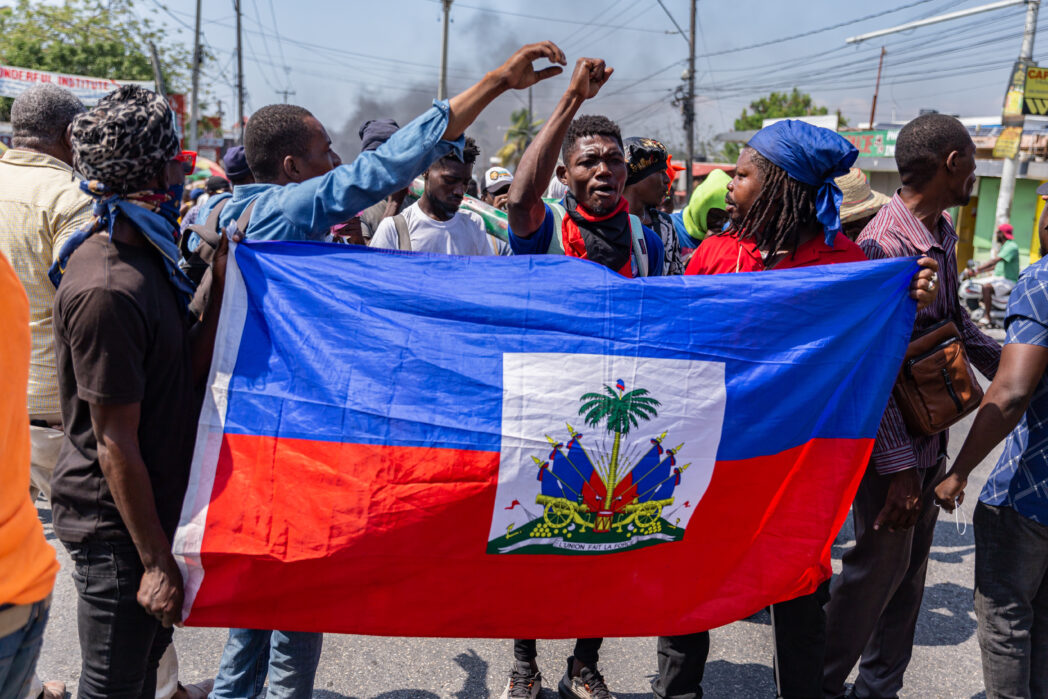
Bishop Tolton warned that France could leverage the U.S.’s withdrawal from the forum to “wash their hands” of any need to “engage in [financial] restorative justice” toward Haiti.
“If there is no reparatory justice in Haiti, how does Haiti ever rebuild or redevelop itself?” said Tolton, who warned the country is “susceptible to becoming another Venezuela.”
Gretchen Moore, a global reparations strategist, has been advising tribunal courts to recognize the need for reparations stemming from colonization as humanitarian violations.
“There is a need and a demand for those most impacted by the legacies of slavery and genocide–disconnected from their indigeneity, their medicine and their power and their heritage–to be able to hold on to and defend laws and protections that were really established to repair that history,” Moore told theGrio. “People just don’t feel civil rights and international human rights are being implemented. We are seeing that our system of democracy sometimes operates almost as a gentleman’s agreement.”
Moore explained that there is “humility” for the United States in recognizing that the global fight for human rights, much like the work of the UN Permanent Forum on People of African Descent, has and will continue to evolve beyond U.S. engagement.
“This is the opportunity for us to design justice, not just how it’s limited to the spaces of diplomacy [and] connect and mobilize with the rest of the diaspora to advance this forward, no matter what administration, because administrations come and go,” she asserted. “We need to be thinking 25 and 50 years from now, how can we build out something that’s even stronger and more sustainable than what’s currently under attack, because I don’t think we can stop the attacks.”
Moore added, “I think we need to be as creative and as resourced as the right has been in creating a new vision that gives people hope, because there’s a serious gap in hope and belief that this is something that we can overcome.”
What's Your Reaction?
 Like
0
Like
0
 Dislike
0
Dislike
0
 Love
0
Love
0
 Funny
0
Funny
0
 Angry
0
Angry
0
 Sad
0
Sad
0
 Wow
0
Wow
0