









Target’s sales may be up, but Nekima Levy Armstrong says the boycott isn’t over


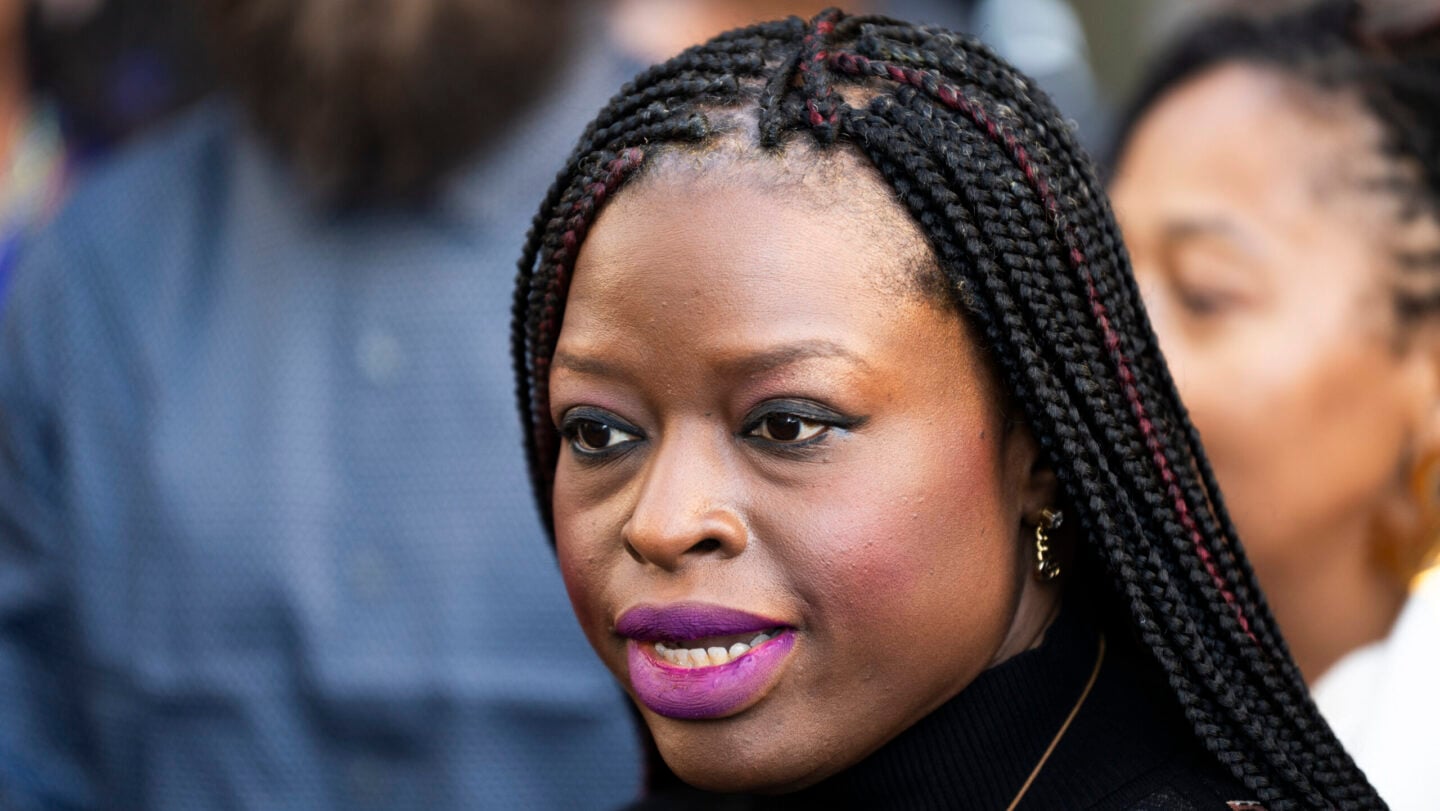
The civil rights attorney tells theGrio that many consumers are still “holding the line” more than a year after Target rolled back its DEI commitments.
In January 2025, when Target, once a source of pride for Minneapolis, announced it was moving away from its diversity, equity and inclusion initiatives (DEI) as the Trump administration took office for a second time, Nekima Levy Armstrong was among the organizers who launched a consumer boycott against the retailer and vowed to no longer shop there.
“Target had positioned itself as one of the top companies in America that intentionally embraced diversity and inclusion,” Armstrong told theGrio by phone on Wednesday.
She recalled how the retailer would set up elaborate Black History Month displays and champion Pride Month, while also leading in stocking Black- and brown-owned brands on its shelves. The Minneapolis-based big-box chain had, up until that point, created a sense among many that inclusivity was a value it would never waffle on.
“Once all of this happened in terms of Target capitulating to the Trump administration’s assault on diversity, equity, and inclusion, literally within a week of Trump taking office a second time, it showed a whole different face and side to Target,” she continued. “It showed that the image they were putting forward was simply window dressing, and they weren’t genuine about their values. So I think that’s what caused such a visceral reaction in people to say ‘we’re not going to support a company that is using window dressing to draw us in.’”
Now, more than a year and a half after the boycott began, Target is reporting better-than-expected first-quarter earnings. Armstrong, a civil rights attorney and activist, maintains the boycott is far from over.
“It was indefinite from the beginning,” she declared. “Many in our community are holding the line and deciding to never return to Target because they have not ever addressed the underlying reasons for the boycott.”
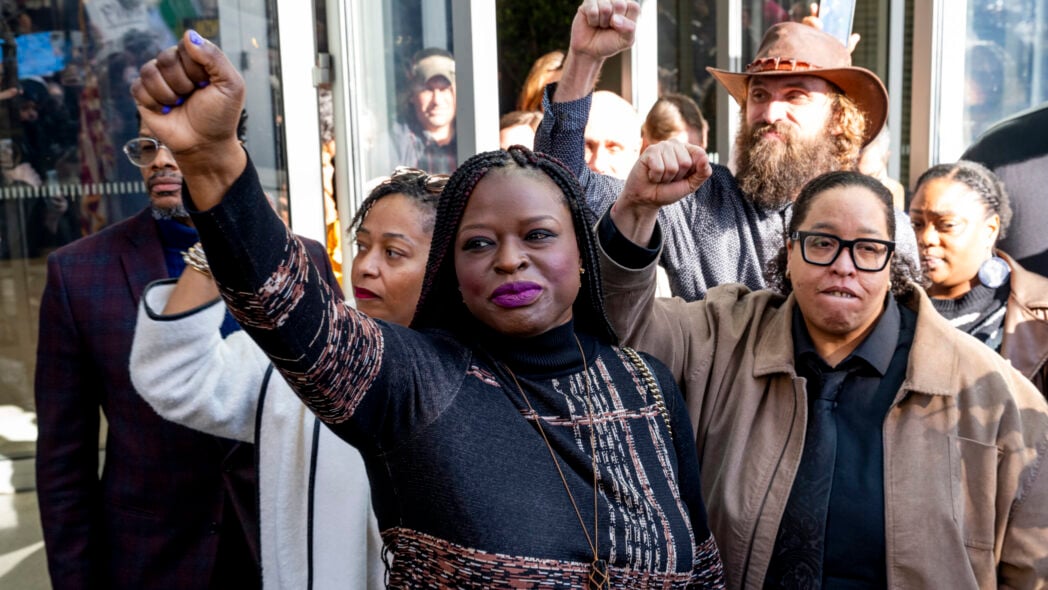
Despite sales improving in the first quarter and several high-profile Black figures endorsing the brand in subtle ways, whether through an exclusive vinyl release with little discussion or footage of them shopping its aisles, Armstrong argued that Target has yet to reverse its decision or fully make good on the promises it made to Black communities after George Floyd’s murder. She also sees signs that the boycott has made an impact.
“Of course there are always the ebbs and flows in terms of what shoppers decide to do, but the boycott has been successful,” she explained. “They’ve lost over 12 billion in their company’s valuation, they had to change their CEO, who lost millions in compensation before he was removed from that position. Target was also removed from the Forbes list of most admired companies, for the first time.”
After Target walked back its DEI commitments and remained silent as ICE carried out operations in Minneapolis, Armstrong said new ownership could potentially be what saves the company. She pointed to the Dayton family, which founded Target, and said the values that helped build the retailer no longer appear to be reflected in its leadership.
“Target has lived off of that family’s goodwill and good intentions for decades, in spite of that family no longer owning Target,” she observed, adding that those who currently own and operate the company have drawn a line in the sand.
“They’ve really worked hard to appease the MAGA base that supports Target. That’s what their decisions show,” she added. “So, I think we would need to see a completely different ownership of Target, ownership that is much more inclusive, a board that is actually racially diverse.”
Target has attempted to meet with Armstrong, she said, but she has rejected those offers because the conversations have not begun with the retailer agreeing to walk back its DEI rollback outright.
The latest update on Target’s sales recovery arrives in the middle of a year that has been particularly disheartening for Black communities. Since President Donald Trump returned to office, Black Americans have watched voting rights come under attack, Black history face renewed erasure and diversity efforts become a target across the country. In that climate, Armstrong acknowledged, giving in to despair can feel easy.
The year has also been personally difficult for Armstrong, who was among the activists arrested and federally indicted alongside Don Lemon after an anti-ICE demonstration in January inside Cities Church in St. Paul. Yet the veteran organizer, who draws inspiration from freedom fighters including Dr. Martin Luther King Jr. and Rosa Parks, said she understands that arrest and criminalization have long been part of the cost of challenging injustice.
“In many ways, unfortunately, this comes with the territory of being a freedom fighter and standing up for Black liberation,” she explained. “So, in the grand scheme of things, I’m holding up just fine.”
Armstrong caught the activism bug early while growing up in Los Angeles and became further incensed after the killing of Latasha Harlins, who was her friend. Since then, she has built a life around speaking up against injustice, defending civil rights and fighting for what she believes is right.
For those grappling with the difficult realities of the second Trump administration, Armstrong encouraged people not to develop a fatalistic attitude about the news or the headlines. Instead, she urged people to lean into the strength and grit their ancestors passed down, along with the many forms of resistance they modeled, including joy.
“We can’t just look at the news and have a fatalistic attitude,” she said. “We have to look into our history, understand the truth, and then use the tools that have been provided to us to fight.”
Above all else, Armstrong has one message for those participating in the Target boycott: Hold the line.
What's Your Reaction?
 Like
0
Like
0
 Dislike
0
Dislike
0
 Love
0
Love
0
 Funny
0
Funny
0
 Angry
0
Angry
0
 Sad
0
Sad
0
 Wow
0
Wow
0