









‘Set Her Free’ documentary spotlights the fight for reduced sentences for domestic violence surviors in New Jersey

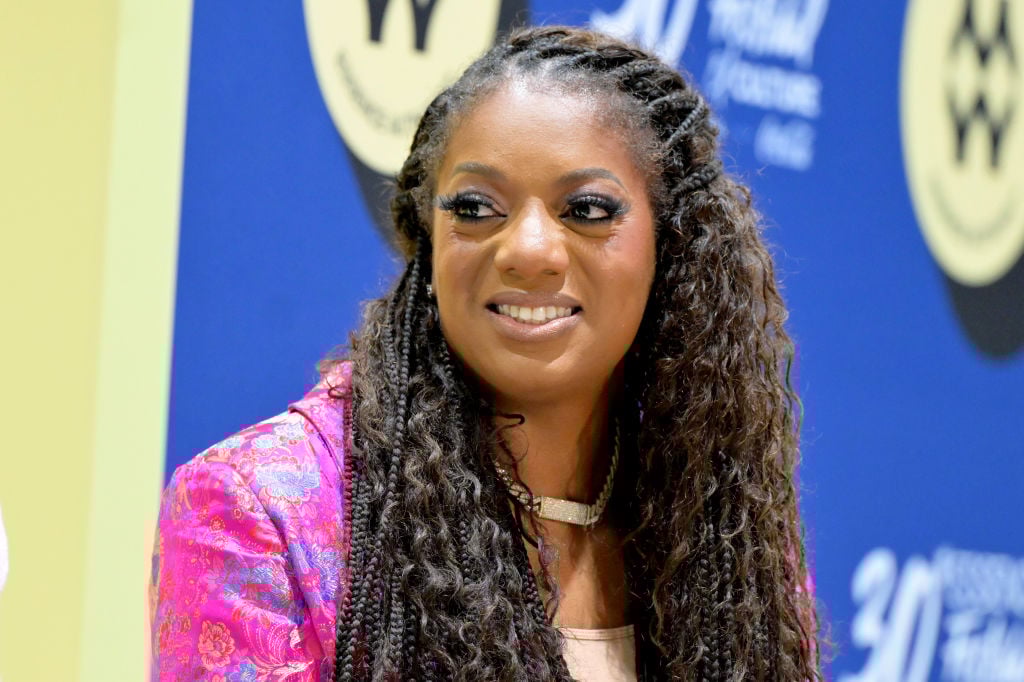
The film’s executive producer, Dr. Jamila Davis, spoke to theGrio about how the film came together and explained that it is “intentionally designed to sit at the intersection of storytelling and policy.”
A documentary about survivors of domestic violence in New Jersey is being used to advocate for sentencing reform.
‘Set Her Free: Exposing the Trauma to Prison Pipeline’ follows the lives of several women formerly and still incarcerated, including its executive producer, Dr. Jamila Davis, who are fighting for the passage of the Domestic Violence Survivors Justice Act. Davis, who answered questions from theGrio over email correspondence, explained that the film is “intentionally designed to sit at the intersection of storytelling and policy.”
“It’s not just awareness. It’s advocacy with a purpose,” Davis said in an email. “I see Set Her Free as a model for how lived experience, data, and legislative reform can move together, not separately.”
Davis’ goal is that the action she and the “Set Her Free” team take in New Jersey can be replicated all over the country. According to a 2023 report from the Safety and Justice Challenge, 75 percent of women who were or are currently incarcerated have been victims of domestic violence.
This film is personal for Davis. She served a 12.5-year sentence for bank fraud and was also a survivor of domestic abuse. The film connects how past abuse impacted the women’s lives and led them to commit crimes and receive long sentences.
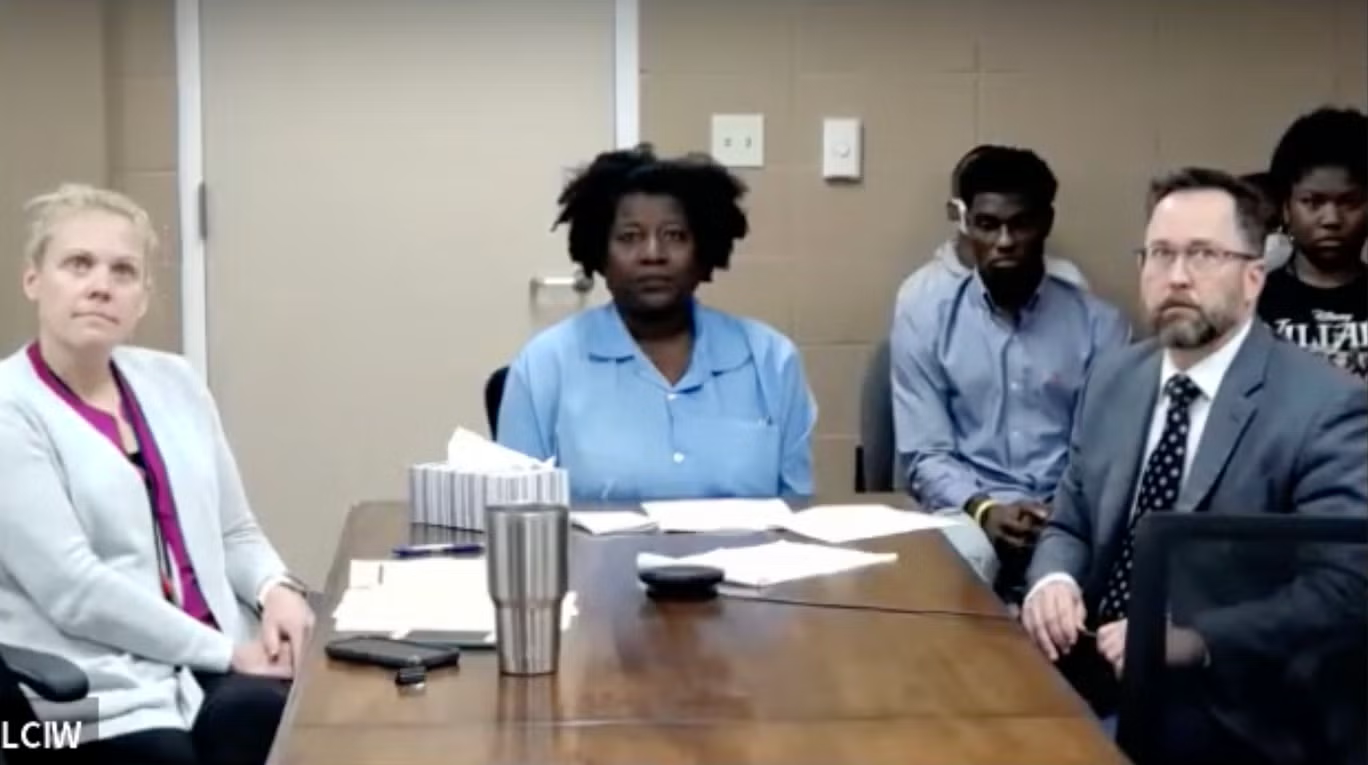
The other women featured are Dawn Jackson, Denise Staples, Myrna Diaz, Donna Hylton, Nafeesah Goldsmith, and Cass Severe. All of the women experienced sexual and domestic violence, and served or are serving a sentence at New Jersey’s Enda Mahan Correctional Facility. In the film, Severe is also working to help her friend, Natasha White, be released.
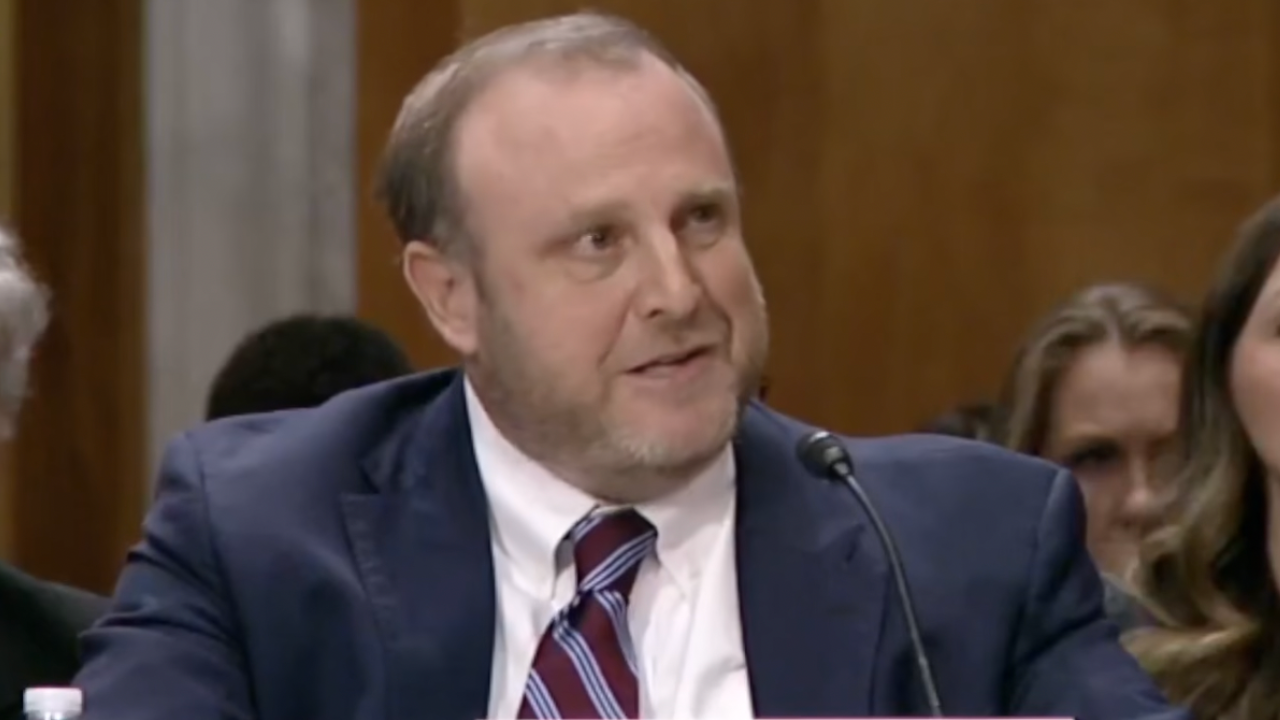
State Sen. Angela V. McKnight (D) introduced the DVSJA bill in June, which would allow judges to reduce the sentences for survivors of domestic violence who can establish that their abuse was a significant contributing factor to their offense. The bill was already passed in New York in 2019. McKnight became involved with Davis and the film through a mutual friend, according to New Jersey Urban News.
“She understood immediately that this wasn’t just a film, it was evidence,” Davis told theGrio of McKnight. “Her leadership helped translate these lived experiences into legislative language, and that relationship ensured the film didn’t stop at awareness but moved directly into action.”
On Monday, December 15, at 10 a.m., the New Jersey Senate will vote on the bill, and Davis will be in attendance alongside Jackson and Hylton. Jackson, whose case was publicized by Kim Kardashian, was released from prison in 2024 after fighting for clemency since 2018.
Jackson was sentenced to 30 years in prison in 1999 for murdering her step-grandfather, who had sexually abused her since she was a young child. She wrote to Kardashian to share her story, explaining how information about the abuse she suffered was not allowed to be shared during her trial. A few months before Jackson was granted clemency, New Jersey’s governor Phil Murphy launched the Clemency Initiative to expedite the review of cases like hers.
“One of the biggest misconceptions is that the justice system already takes abuse into account. Most people, including lawmakers, assume judges can fully weigh long-term domestic violence during sentencing,” Davis said.”
She explained that another misconception around sentencing abuse survivors is that a harsh sentence means someone is a dangerous offender.
“In reality, many survivors spent years trying to get help, calling the police, attempting to leave, and living with constant fear, before a single incident changed the course of their lives,” she said. “The system often looks only at that moment, not the years of abuse that led up to it.”
Change may be on the horizon if the state senate votes for DVSJA tomorrow. But, for Davis, the work of the documentary is also to change the perception of “criminalized survivors,” many of whom are punished for defending themselves against abusers or for surviving their abuse and reacting to their trauma later on.
She said the film asks the general public and lawmakers to consider the full story of a person who committed a crime after long suffering, because the context ultimately matters.
“These are not people who set out to cause harm,” Davis said. “They are women who were forced to make impossible choices after years of abuse, coercion, and fear.”
If you or someone you know is experiencing domestic violence, help is available. You can contact the National Domestic Violence Hotline at 1-800-799-SAFE (7233) or visit thehotline.org for confidential support.
What's Your Reaction?
 Like
0
Like
0
 Dislike
0
Dislike
0
 Love
0
Love
0
 Funny
0
Funny
0
 Angry
0
Angry
0
 Sad
0
Sad
0
 Wow
0
Wow
0