




San Diego Padres sale a full-circle moment for Black baseball

“Where there is no vision, the people perish.” Proverbs 29:18
The next frontier for African Americans in sports is team ownership. Black bodies have helped build enormous wealth for sports teams and leagues, but ownership remains an economic and cultural mountain that largely has remained out of view.
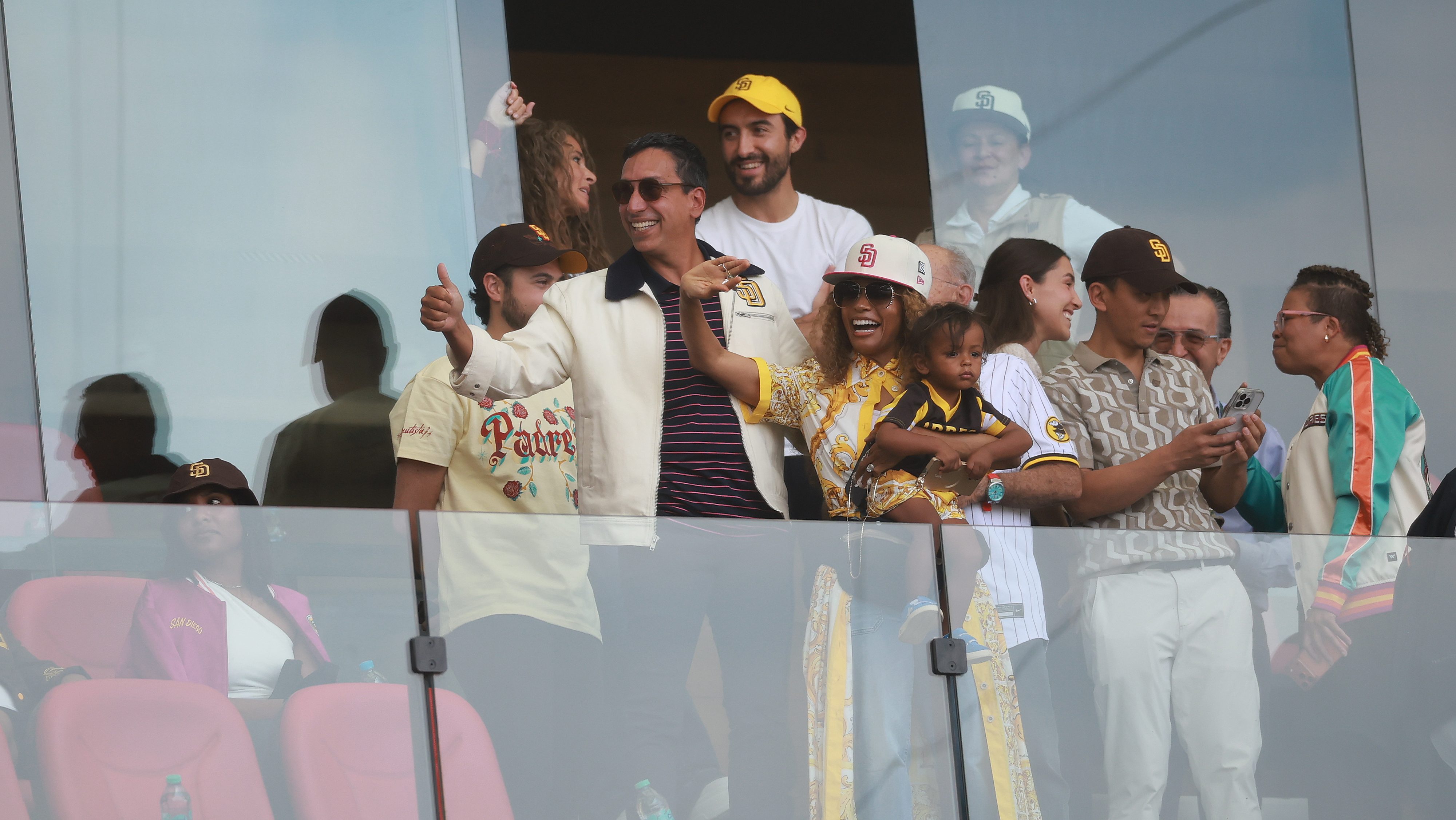
That mountain came a bit more into focus Saturday when the family of Peter Seidler, the late San Diego Padres owner, announced it had reached an agreement to sell the franchise to an investor group led by Kwanza Jones and her husband, José E. Feliciano, co-founder of private equity firm Clearlake Capital.
If the $3.9 billion sale is approved, the purchase would make Jones, a Princeton grad and Washington, D.C., native, the first Black woman in MLB history to own a majority stake of a franchise. Her husband would be the first majority owner in the league of Puerto Rican descent and would join Los Angeles Angels owner as the league’s second Latino majority owner.
This is significant news, because team ownership is the elusive next step in the evolution of Black participation in sports.
In a joint statement, Jones and Feliciano said: “This is about more than baseball — it’s about boosting the pride, energy, and connection that define the Padres, investing in community, deepening belonging, and ensuring this team remains accessible and endures for generations. We are all in — with the goal of bringing a World Series championship to San Diego.
“The Padres are more than a baseball team; they are a unifying force in San Diego, rooted in community, connection, and belonging. As life and business partners, and as a family, we are honored to lead this next chapter together.”
The potential sale is indeed more than about baseball. Ownership matters. Ownership determines who profits from player labor; ownership establishes an institution’s values; ownership determines who hires executives and coaches; ownership determines who controls media narratives.
For African Americans, not gaining ownership means not achieving power in an industry that significantly has been built on the backs of Black athletes.
Mark Gunter/Getty Images for SUPERCHARGED® by Kwanza Jones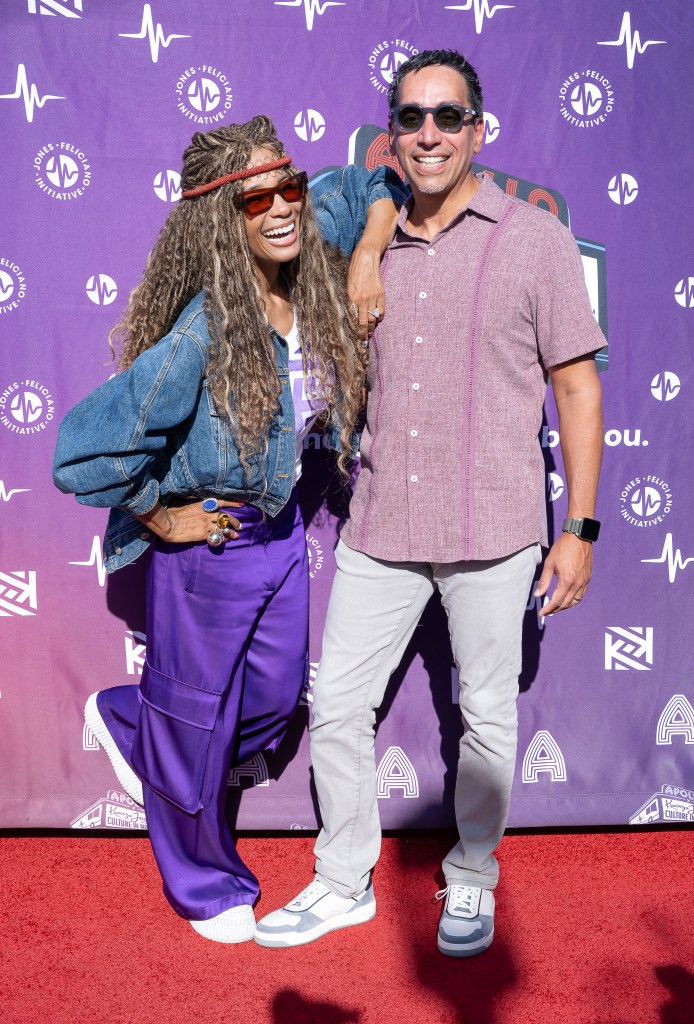
Magic Johnson has minority ownership stakes across multiple professional sports, and LeBron James purportedly has his eye on NBA ownership in Las Vegas. The modern Black athlete earns an unprecedented salary, is at the center of brand creation and has broad cultural influence. Yet majority team ownership has remained just beyond their grasp. The Jones-Feliciano deal can help write a new chapter.
Baseball in particular has an intriguing relationship to Black ownership.
Black baseball’s role in the sport as a whole is tightly tied to the story of Jackie Robinson breaking the color barrier with the Brooklyn Dodgers — baseball’s iconic tale of access, persistence and fair play — but you could make the argument Robinson’s MLB breakthrough coincided with the demise of Black baseball ownership.
With African Americans pushed out of baseball between 1887 and 1890 by a so-called gentleman’s agreement, African American entrepreneurs built leagues of their own. The most successful effort was the Negro National League, which was founded by Arthur “Rube” Foster in 1920.
Over the next decade, leagues like Foster’s — run by African Americans and largely dependent on a Black fan base — attracted some of the greatest players in the sport’s history and helped turn organized baseball into an economic engine in the Black community, building a Black baseball ecosystem more than worthy of recognition on its own merits.
They became a magnet for young Black talent, and created a deep and abiding love for the sport.
Foster’s league folded in 1932, two years after his death at age 51. The second incarnation of Negro League baseball was founded in 1933 by Gus Greenlee, owner of the Pittsburgh Crawfords.
In 1946, Robinson — who previously played for the Kansas City Monarchs of the Negro National League — signed a minor league contract with the Montreal Royals, a Triple-A affiliate of the Dodgers. In 1947, his contract was purchased by Brooklyn.
Robinson famously made his MLB debut on April 15, 1947, an event that is celebrated each year on a day when every major leaguer wears Robinson’s No. 42.
Effa Manley, the legendary owner of the Negro National League’s Newark Eagles said, “Our troubles started after Jackie Robinson joined the Dodgers.”
Manley mistakenly thought integration would help Negro League baseball. She once said, “If our men made good in the majors, fans all over the country would want to see the teams that they came from.” Manley, who was white but often passed for a light-skinned Black woman, also felt that if the Negro League disappeared, the flow of Black players into MLB would disappear.
For a number of years, the existing Negro Leagues did function as a de facto minor league for MLB, with a number of players from those teams going to the majors.
But in 1951, the Southern baseball network of minor league baseball teams began to desegregate. When that happened, MLB teams had no use for the Negro Leagues. By the early 1960s, Black baseball — and Black-owned baseball — was effectively dead.
Major League Baseball prevailed. This makes the potential Jones-Feliciano purchase a full-circle moment.
Jemal Countess/Getty Images for SUPERCHARGED® by Kwanza Jones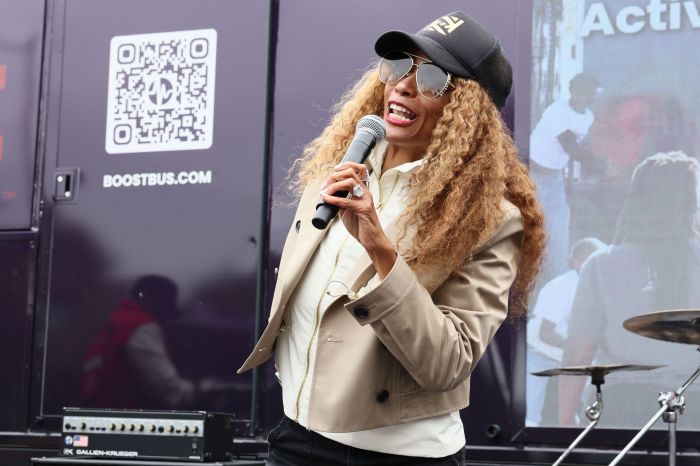
The death of Black baseball marked African Americans’ last majority ownership of an MLB team — until the Padres sale was announced last week.
The Padres’ deal is yet another significant chapter in the journey of African Americans in sports. Whether it will lead to the breakthroughs we’ve seen, especially in football and basketball, is unclear.
Ownership remains a steep mountain with significant barriers: Franchise valuations in all sports are astronomical; ownership groups are heavily network-driven, African Americans are often not part of those networks; and the league approval process is deeply conservative.
The Jones-Feliciano deal for the Padres still requires a formal vote among all 30 MLB clubs. That vote is expected to take place at the league’s quarterly meeting in June. At least 22 votes are needed for approval. The vote will be followed by a review from the U.S. Securities and Exchange Commission. Finally, the city of San Diego will have to sign off on the deal.
This is still a historic moment in the fascinating evolution of African Americans in sports — from being locked out, to breaking through, to dominating on the field and now owning the teams playing.
Somewhere, Rube Foster is smiling.
The post San Diego Padres sale a full-circle moment for Black baseball appeared first on Andscape.
What's Your Reaction?
 Like
0
Like
0
 Dislike
0
Dislike
0
 Love
0
Love
0
 Funny
0
Funny
0
 Angry
0
Angry
0
 Sad
0
Sad
0
 Wow
0
Wow
0