











How Long Will The Canadian Wildfire Smoke Last? What Forecasters Are Saying

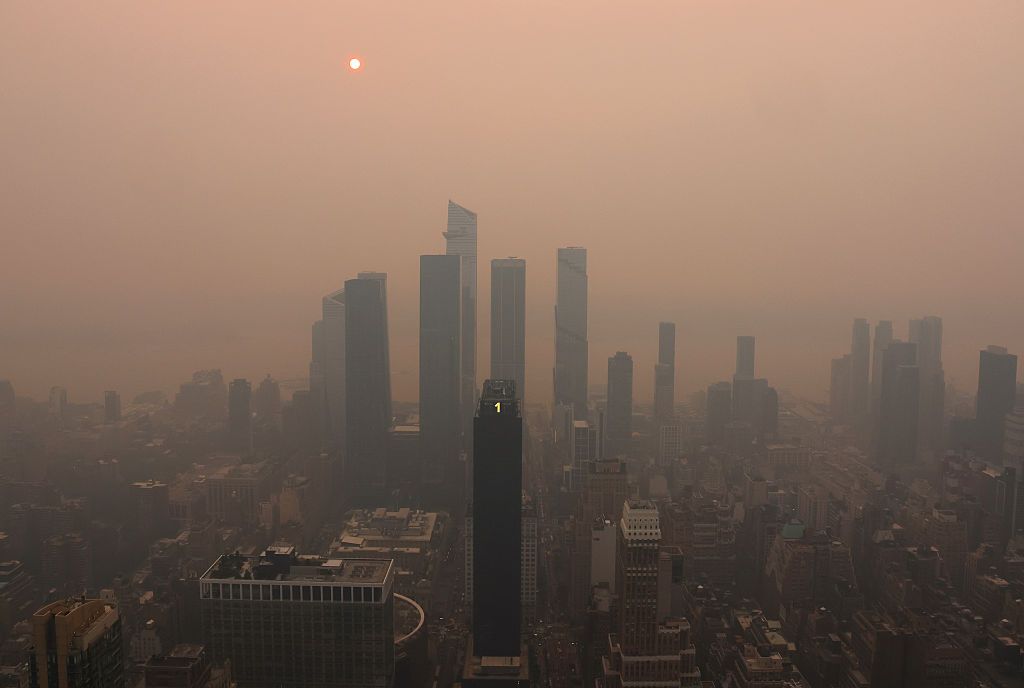
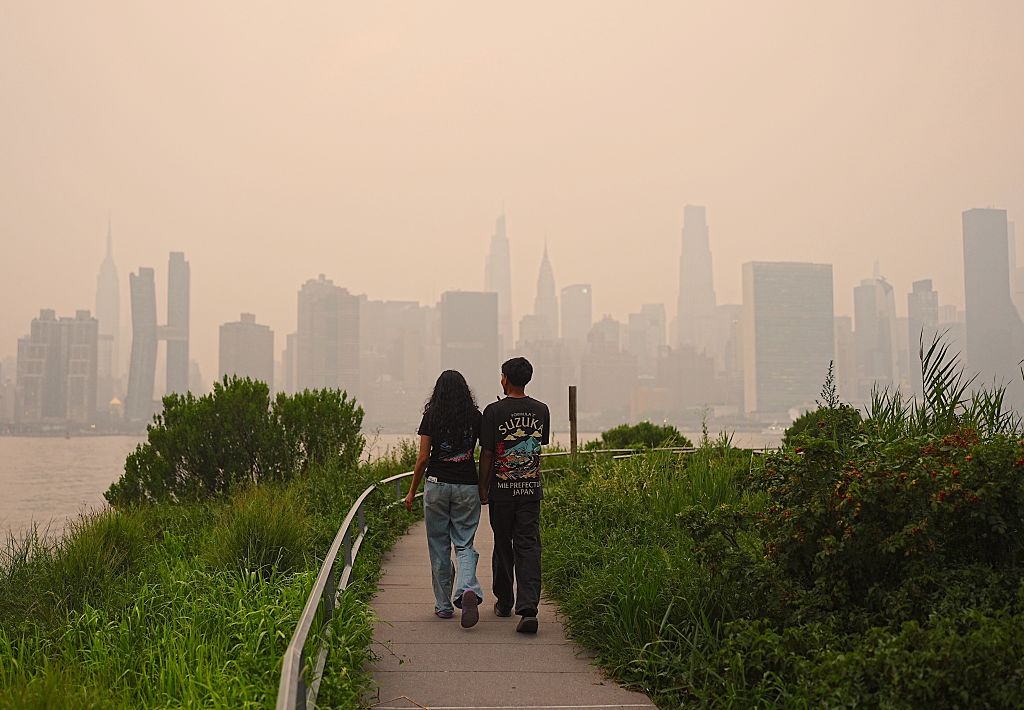
If you’ve looked outside lately and wondered why the sky suddenly looks hazy, the sun appears orange or the air smells like a campfire, you’re not alone. Once again, wildfire smoke from Canada has drifted into the United States, prompting air quality alerts across several states and raising concerns for millions of people. While the first are burning hundreds of miles away, the smoke has traveled far enough to affect everyday life in cities throughout the Midwest and beyond.
The smoke can be traced back to an active wildfire season in Canada, where hundreds of fires have been burning across provinces including Manitoba, Saskatchewan and Ontario. A mix of dry conditions, warm temperatures and strong winds has allowed many of those fires to grow quickly. Once smoke reaches the upper levels of the atmosphere, weather systems can carry it across international borders with surprising speed. That’s why communities nowhere near an active wildfire can still wake up to unhealthy air and noticeably hazy skies.
For most people, the biggest concern isn’t simply seeing the smoke — it’s breathing it. Wildfire smoke contains tiny particles known as PM2.5 that are small enough to travel deep into the lungs and even enter the bloodstream. According to health experts, those particles can trigger coughing, sore throats, irritated eyes, and headaches, while also worsening asthma, heart disease, and other respiratory conditions. Because of that, public health officials have urged residents to limit time outdoors, avoid strenuous exercise, keep windows closed when possible and wear an N95 mask if they’ll be outside for an extended period. The latest health guidance on protecting yourself from wildfire smoke can be found on the Centers for Disease Control and Prevention (CDC) website.
The smoke has also changed the rhythm of daily life in some communities. Outdoor sporting events, camps and festivals have had to monitor air quality closely, while social media has been flooded with photos of smoke skylines and unusually colorful sunsets. For many Americans, it’s an unsettling reminder of the historic wildfire smoke event in 2023, when parts of the U.S. experienced some of the worst air quality in the world despite the fires burning in Canada.
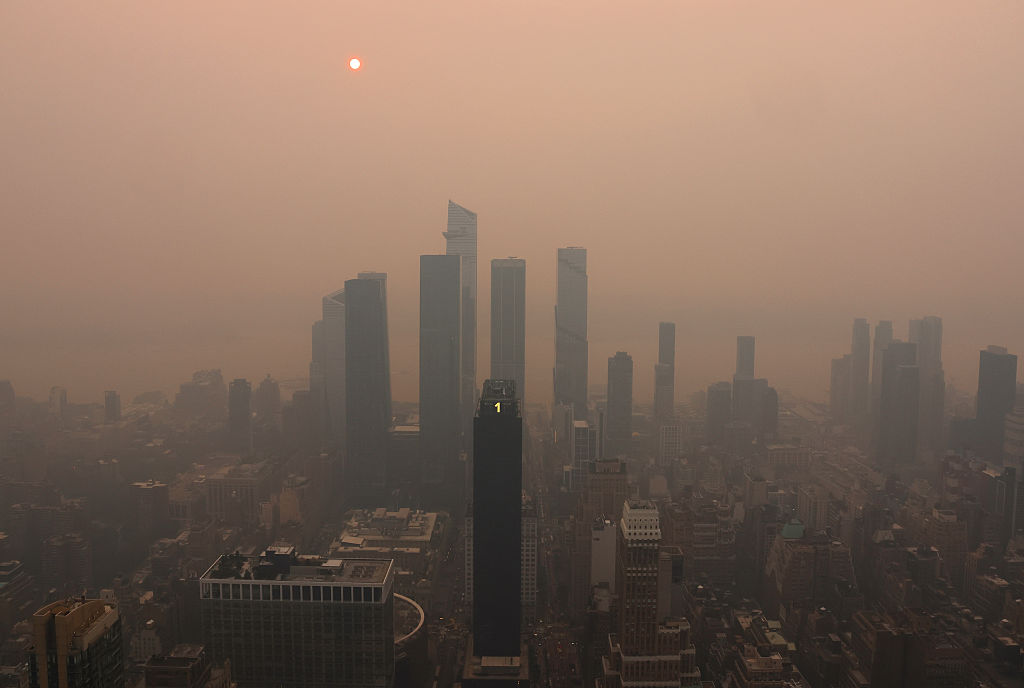
The question on everyone’s mind is simple: How long will this last? Fortunately, forecasters say this isn’t expected to be a permanent situation. The amount of smoke over any one city depends largely on the wind, meaning conditions can improve — within just a few hours. Meteorologists expect air quality to gradually improve across parts of the Midwest as weather patterns shift and push the smoke farther east, though some areas could continue dealing with hazy conditions before finally seeing relief. You can monitor current air quality in your area through AirNow or check for official alerts from the National Weather Service.
Even after this latest round of smoke clears, experts say these events are becoming more common. Climate scientists point to hotter temperatures, drier forests and longer wildfire seasons as major reasons why Canadian wildfires are growing larger and producing smoke that travels farther than it once did. That means smoky skies are no longer a once-in-a-generation event — they’re increasingly becoming part of summer across large portions of North America.
For now, the best advice is to keep an eye on your local air quality forecast and adjust your plans if conditions become unhealthy. The smoke will eventually move on, but until then, experts say taking a few simple precautions can make a big difference — especially for children, older adults and anyone living with asthma or other breathing-related conditions.
SEE ALSO:
Philly’s George Washington Slavery Exhibit Replaced With Whitewashed Rendition Of Black History
What's Your Reaction?
 Like
0
Like
0
 Dislike
0
Dislike
0
 Love
0
Love
0
 Funny
0
Funny
0
 Angry
0
Angry
0
 Sad
0
Sad
0
 Wow
0
Wow
0