




From pitch to pavement: How soccer sneakers became a staple of Black diaspora style

Listen to this story
A packed Afrobeats party in Washington, D.C., can feel like a map of the Black diaspora in motion. Somewhere between the DJ spinning Davido and attendees showing off their range of vocal stims and styles, the footwear begins to stand out.
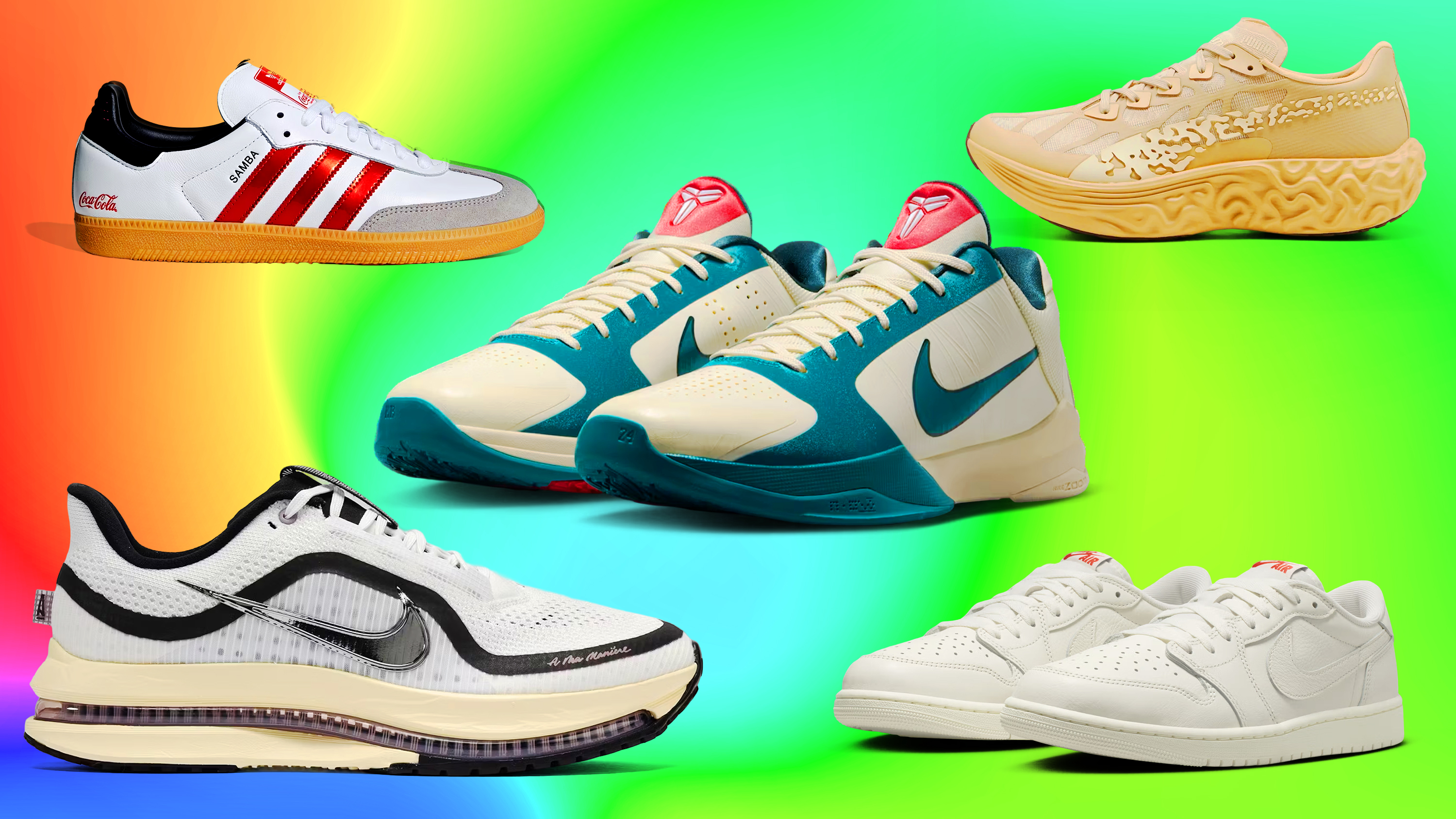
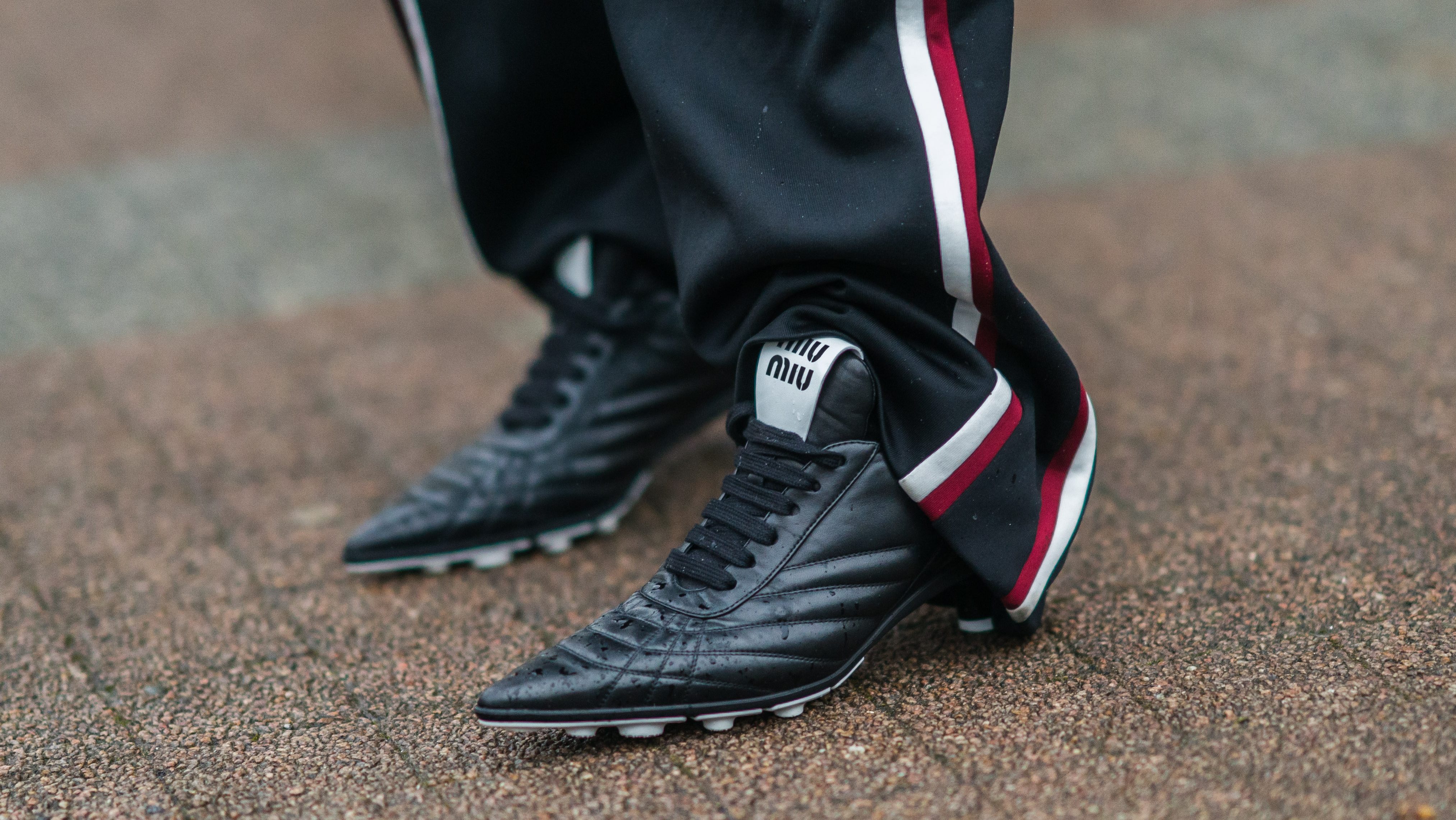
A pair of Adidas Samba sneakers with loose trousers and a vintage Nigeria kit. Metallic Nike Total 90 sneakers sit under baggy denim and a leather jacket. Worn-in Puma King trainers paired with cropped pants and a fitted tee. Nobody is dressed to play football (soccer), but the sport is everywhere in the room.
The same visual storytelling appears across the pond in London, where football motifs blend into nightlife fashion as naturally as denim or gold jewelry. In West Africa, such culture has long been a part of everyday life, global club jerseys and slim indoor football sneakers becoming part of the social uniform years before luxury fashion caught wind of the trend.
What connects these places is not merely fandom, but a sense of style inspired by football, and how those fashion choices circulate through Black diaspora communities — carried by music, migration, and shared identity. Said exodus is now reshaping sneaker culture itself. Football sneakers are not just a permanent fixture in fashion; they have become embedded in the everyday visual language of global Black style.
For years, sneaker culture in the United States revolved around basketball. The dominant silhouettes were high-top performance shoes designed for visibility and scale: large soles, hard-to-get colorways, maximalist details.
Football trainers represent something entirely different. Created for indoor pitches and training grounds, models like the Samba and Puma King emphasized movement and control over pageantry. Even the Nike T90, once revered for its bold asymmetrical design and specific lace placement in the early 2000s, carried a kind of simplified edge distinct from basketball footwear.
Julian Finney/Getty Images for Nike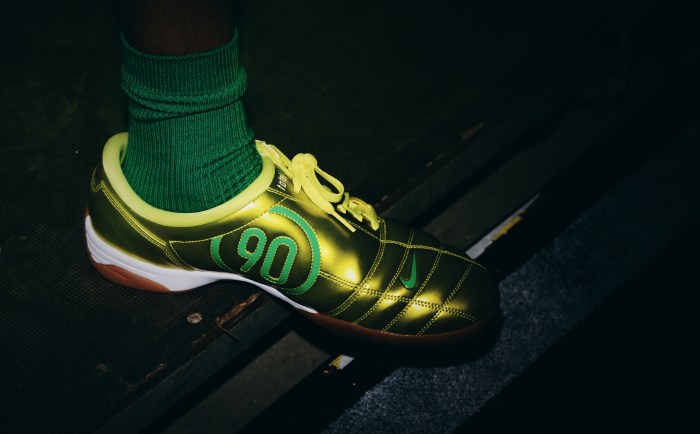
“A lot of football sneakers are not really focused on the hype, rather a unique niche of people who love the game,” said Raheem Taylor-Parkes, a footy content creator and co-host of The Late Run with Ochocinco. “People who rock it have a different sense of style and swag that a lot of people I think [in] the basketball space don’t necessarily have.”
That difference is why these silhouettes feel so modern now. They don’t just signal style, but a connection to global culture, movement, and identity that goes beyond American sneaker norms.
As fashion evolved from oversized sneakers to slimmer profiles, football footwear suddenly took center stage. Spikes were removed from the cleats, and the shift conveniently coincided with the sport’s culture becoming increasingly visible in American social life, particularly among younger Black communities already connected to it by following a club or through immigration and global media consumption.
The rise of Afrobeats helped accelerate that visibility. Over the last decade, artists from Nigeria, Ghana, South Africa, and across the African diaspora transformed the reputation of global nightlife, alongside music itself. European club fandom has long been embedded within African pop culture, and kits, training jackets, and indoor football sneakers already existed as part of everyday style ecosystems in cities such as Lagos, Accra and Johannesburg. As the genre became global, so did the fashion language surrounding it.
Today’s resurgence feels less like a reinvention than a continuation of styles that never left.
That is part of why the Samba never truly disappeared in many Black communities, even when mainstream sneaker culture treated it as secondary to basketball sneakers. Long before fashion publications declared it the “it” sneaker, the shoe was already on dance floors and in everyday wear across diaspora spaces. If you are part of the diaspora, you know things never really fall out of favor.
Edward Berthelot/Getty Images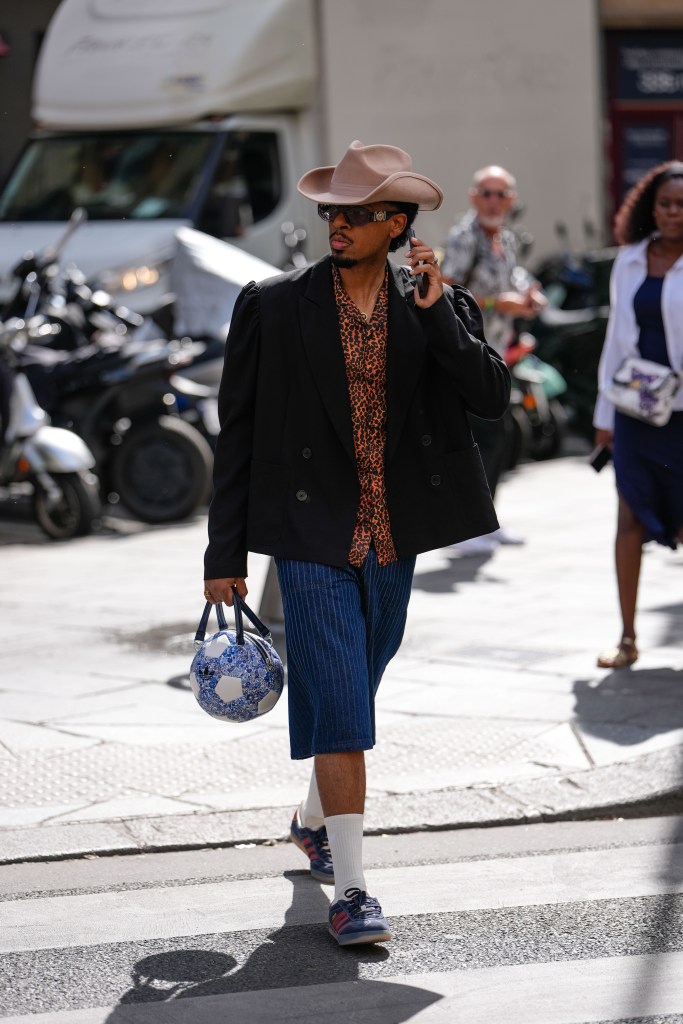
In predominantly Black cities, the shoes serve as social shorthand, indicating familiarity with a broader cultural world that stretches beyond American sports. The same applies to the return of the T90 aesthetic, which taps into early-2000s football nostalgia while fitting naturally into current streetwear trends, like slimmer silhouettes.
That shared sense of tradition and understanding is what gives these shoes their meaning across different spaces.
In many ways, brands embracing football sneakers are only reacting to something consumers already established years ago. Adidas has continuously refreshed the Samba through new colorways and lifestyle campaigns, while Nike has repositioned the Total 90 aesthetic for contemporary fashion audiences yearning for the days of Y2K-era play. Puma has similarly leaned into terrace football culture — the grassroots culture synonymous with the standing-room areas of football stadiums — through both footwear and apparel.
Jeremy Moeller/Getty Images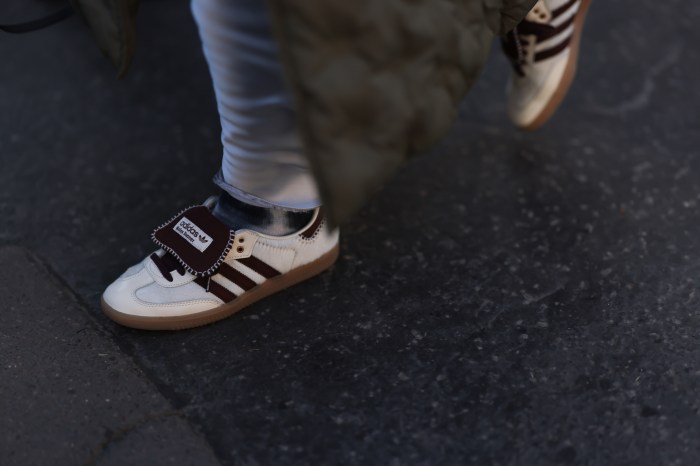
The global nature of football itself has also changed the emotional meaning of shoes. Historically, basketball sneakers often communicated allegiance to individual athletes or to American sports mythology. Football sneakers communicate something broader and more international. They reference movement between places. They imply awareness of different leagues, different cities and different cultural touchpoints.
But as for whether the rise of this footwear is a direct counter to bulkier basketball sneakers, Taylor-Parkes expressed skepticism.
“I feel like they have their two separate lanes, two different audiences, and two different fanbases. As you already know, the NBA is more popular in America, whereas the beautiful game is popular to people worldwide. Two different games, and even the shoes, the way that they’re created, are completely different.”
That is why these shoes resonate so strongly within diaspora communities. They reflect lives shaped by multiple influences at once.
For many in diaspora communities, that hybridity is lived day to day. A Cameroonian-born creative in D.C. might wear Sambas while listening to French rap and watching Manchester United in the English Premier League on Saturday morning, then go to an Afrobeats club that night. A Jamaican family in New York City may associate the shoes with decades of football culture carried through Caribbean spaces. In London, football-rooted fashion has long existed as part of Black British street style, influencing global trends years before American fashion media fully acknowledged it.
Even the styling reflects this hybridity. It’s rare to see football sneakers worn purely for athletic purposes. Instead, they are paired with other stylish pieces — the wide-leg trousers, vintage leather jackets, oversized jerseys and more — to create ensembles that communicate fashion fluency as well as cultural specificity.
And unlike many sneaker trends driven primarily by scarcity mindset or resale culture, football-rooted sneakers are nothing if not accessible.
Sambas, Puma Kings, and similar silhouettes have historically been available at more attainable price points and in a wider range of sizes than premium basketball drops. That accessibility allowed them to remain embedded within everyday communities rather than becoming detached luxury objects that indicate status at first glance.
David Cannon/Getty Images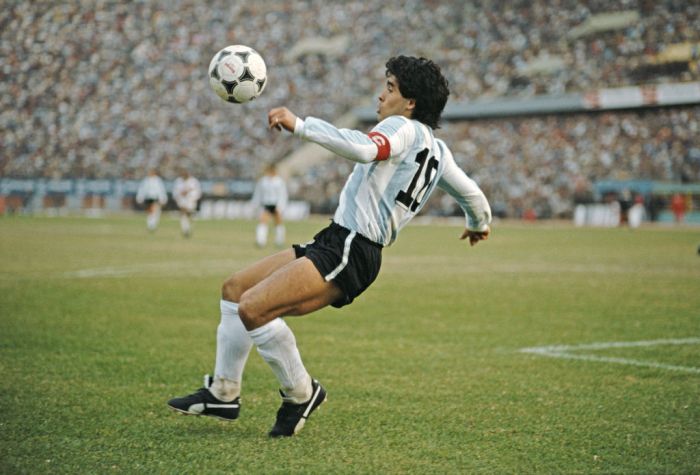
These shoes traveled from indoor pitches and neighborhood football cages into clubs, concerts and watch parties because people made them socially meaningful long before fashion outlets designated them cool again.
Now, mainstream fashion is catching up to what diaspora-style spaces have already understood: Football sneakers represent more than just sport.
They represent taste, mobility, community, and a connection between local neighborhoods and global culture, no passport required.
The post From pitch to pavement: How soccer sneakers became a staple of Black diaspora style appeared first on Andscape.
What's Your Reaction?
 Like
0
Like
0
 Dislike
0
Dislike
0
 Love
0
Love
0
 Funny
0
Funny
0
 Angry
0
Angry
0
 Sad
0
Sad
0
 Wow
0
Wow
0