





Every Supreme Court Ruling That Impacted Black Americans This Week

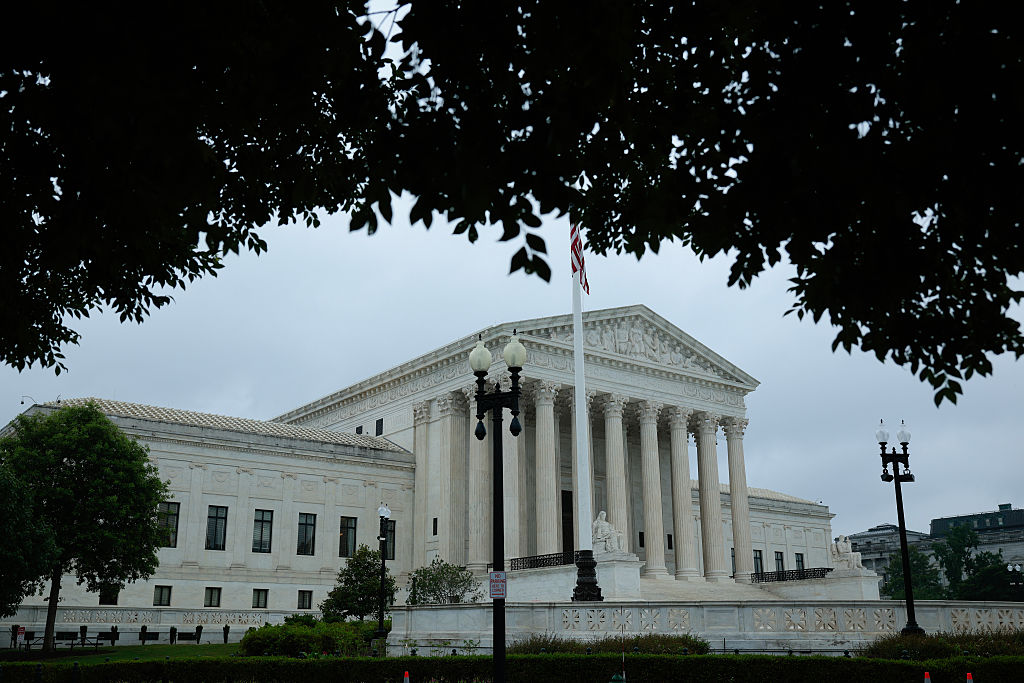
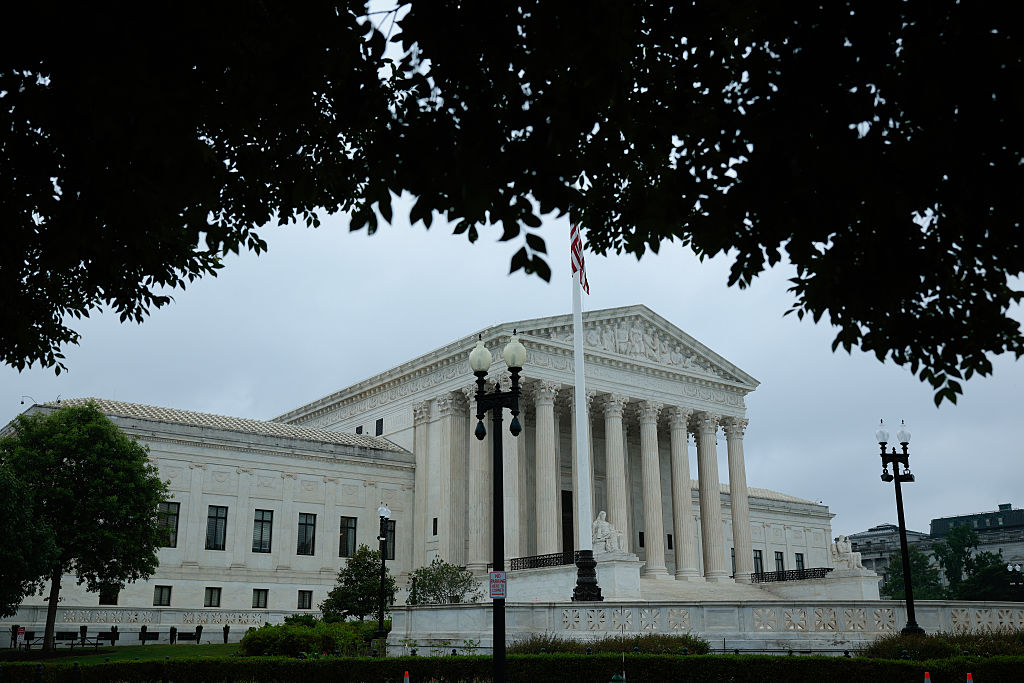
The U.S. Supreme Court issued several major rulings this week that could have significant implications for Black Americans, spanning religious rights in prison, police encounters, and further limitations on the enforcement of the Voting Rights Act. Here’s a breakdown of the three key rulings and what they mean.
1. Rastafarian Inmate Barred From Suing Over Forced Haircut.
On June 23, the Supreme Court ruled against a devout Rastafarian inmate who said Louisiana prison officials violated his religious rights by forcibly cutting his dreadlocks. According to NBC News, in a 6-3 decision, the Court ruled that Damon Landor cannot seek damages under the Religious Land Use and Institutionalized Persons Act (RLUIPA), a federal law designed to protect religious freedom in prisons.
The Court’s conservative majority sided against him, while the liberal justices dissented.
According to court documents obtained by PBS News, Landor’s faith-based hairstyle had been respected during earlier parts of his incarceration. However, the situation changed at the Raymond Laborde Correctional Center in 2020 while serving a five-month prison sentence on a drug-related charge.
A prison guard discarded a legal ruling that Landor carried that supported religious protection for dreadlocks. Shortly after, officials ordered guards to forcibly shave his head while he was restrained to a chair.
Landor had not cut his hair for 20 years as part of a Nazirite vow, a deeply held religious practice, according to NBC News.
“I am disappointed but not defeated. What happened to me violated my faith and my dignity. I will continue pursuing accountability. What happened to me should not happen to anyone else,” Landor said in a statement released by his lawyers.
Justice Neil Gorsuch wrote that the case could not proceed because officials did not consent to being held personally liable under the statute.
What's Your Reaction?
 Like
0
Like
0
 Dislike
0
Dislike
0
 Love
0
Love
0
 Funny
0
Funny
0
 Angry
0
Angry
0
 Sad
0
Sad
0
 Wow
0
Wow
0