




Eff Yo Culture War: How A Lazy Euphemism Camouflages Blatant Bigotry In The WNBA



If I had a penny for every time the term “culture war” was used to describe racism or homophobia in the WNBA in 2026, I’d have accumulated enough money to retire early and comfortably.
Over the past two seasons, sports talk shows, media outlets, political commentators, and social media feeds have frequently applied this phrase to the WNBA. The term has appeared often in headlines when Black or queer WNBA players have faced targeted online harassment, and has surfaced when discussions turn to trans athletes in the WNBA or when players have called out racism or homophobia in the league.
Using the term “culture war” in the WNBA obscures overt bigotry, legitimizes targeted harassment of Black women under the guise of public debate, and belittles vulnerable and marginalized athletes. When abuse is consistently rebranded as an ongoing debate about differing opinions, the real-world safety of Black athletes in their workplace hangs in the balance, leaving them defenseless and unprotected.
Player safety is further degraded when political opportunists deliberately manipulate security resources to stage bad-faith public spectacles. This week, former NBA player Enes Kanter Freedom orchestrated a lose-lose bait-and-switch ahead of Game 3 of the WNBA Finals. Before the game, he contacted authorities over personal safety concerns, but after they accommodated him with a private luxury suite and extra security, he refused the upgrade at the gate, claiming he was being banned for standing up for women. His engineered spectacle and public grievance campaign provided outside voices the perfect pretext to frame the incident as another chapter in a manufactured “culture war.”
The phrase “culture war” has long been used to disguise targeted political attacks as battles over societal values. The term dates back to the German Kulturkampf of the nineteenth century, when Chancellor Otto von Bismarck sought to reduce the influence of the Catholic Church and strip it of its power over schools, marriages, and local communities.
In order to isolate his political opponents and rally his voter base, Bismarck framed this crackdown as a defense of national unity. By labeling a targeted campaign to eliminate political competition a clash of cultures, he successfully hid a raw consolidation of power behind the cover of patriotism.
Over time, the use of “culture war” has been one of the most effective linguistic laundering tools in modern American politics. Sociologist James Davison Hunter popularized the term in 1991 to describe deep ideological splits in America over abortion, gay rights, and secularism.
Whenever the term has popped up, it has transformed what ordinarily would have been conversations about the stripping of fundamental human rights and systemic discrimination into disagreements about perspectives and opinions. The term itself suggests an underlying symmetry around a disagreement and assumes both sides are equally valid and acceptable.
This assumption places a person’s right to exist on an equivalent level as another person’s prejudice, reducing a hostile campaign to a difference of opinion.
Historically, right-wing movements have deployed this vocabulary to justify oppression and normalize subjugation. In the mid-to-late twentieth century, opposition to civil rights and school integration was frequently framed around preserving local culture. Segregationists weaponized slogans like “states’ rights” and “neighborhood schools” to block Black children from entering white classrooms and to defend Jim Crow policies. Today, this rhetoric appears in legislative pushes to ban gender-affirming care and restrict classroom discussions of Black and LGBTQ+ history.
This all comes at a time when the nation feels the acute pressures of a Trump administration that has been labeled as fascist and has been swift in seeking punishment and retribution towards anyone who doesn’t fall in line with its xenophobic beliefs. We see this playing out in federal directives targeting immigration enforcement, the defunding of diversity programs, and the public targeting of those daring to dissent.
In 2026, the WNBA became a focal point of this national strategy largely because of its mainstream growth. A surge in multi-million-dollar deals brought record viewership to the league, transforming a historically safe space for marginalized athletes into a hyper-visible battleground.
As millions of new viewers tuned in, right-wing political figures and conservative networks have turned debates over physical play and player demographics into a proxy war intent on silencing a league that traditionally has been proud of being majority Black, queer, and progressive.
This deliberate effort has introduced conservative standards into a league while attacking progressive values as dangerous. The conservative right has gone so far as to inject discussions around trans athletes in women’s sports into the conversation, even as the league doesn’t have a single trans athlete on any of its rosters.
Indiana Fever guard Sophie Cunningham emerged as a willing proxy in this campaign, leveraging her platform to echo right-wing talking points about trans athletes. This coordinated campaign ran parallel to political interventions from Capitol Hill.
Over the summer, lawmakers sent two separate letters to the league demanding accountability for physical play against Indiana Fever guard Caitlin Clark. By weaponizing standard on-court fouls to demonize her Black opponents as overly aggressive, these politicians used the league’s visibility to force partisan policy agendas against diversity, equity, and inclusion into the WNBA.
The right-wing media world has used sports talk shows and social media to push a narrative that positions white, heterosexual players as innocent victims who need saving from their Black and queer teammates.
Perpetrators of racial harassment claim they are defending traditional values or meritocracy rather than being held to account for blatant bigotry. This approach forces marginalized players onto the defensive, requiring them to repeatedly justify their right to exist, speak their minds, and play with the level of intensity that has defined the sport for generations.
The main mission of journalism is to provide much-needed context, explain current events, and to arm audiences with what they need to know to make informed decisions. So many of my peers in journalism and sports commentary have fallen short of that this year. Their use of the term “culture war” actively hides the racism, homophobia, and transphobia that have overshadowed the stellar basketball play on the hardwood.
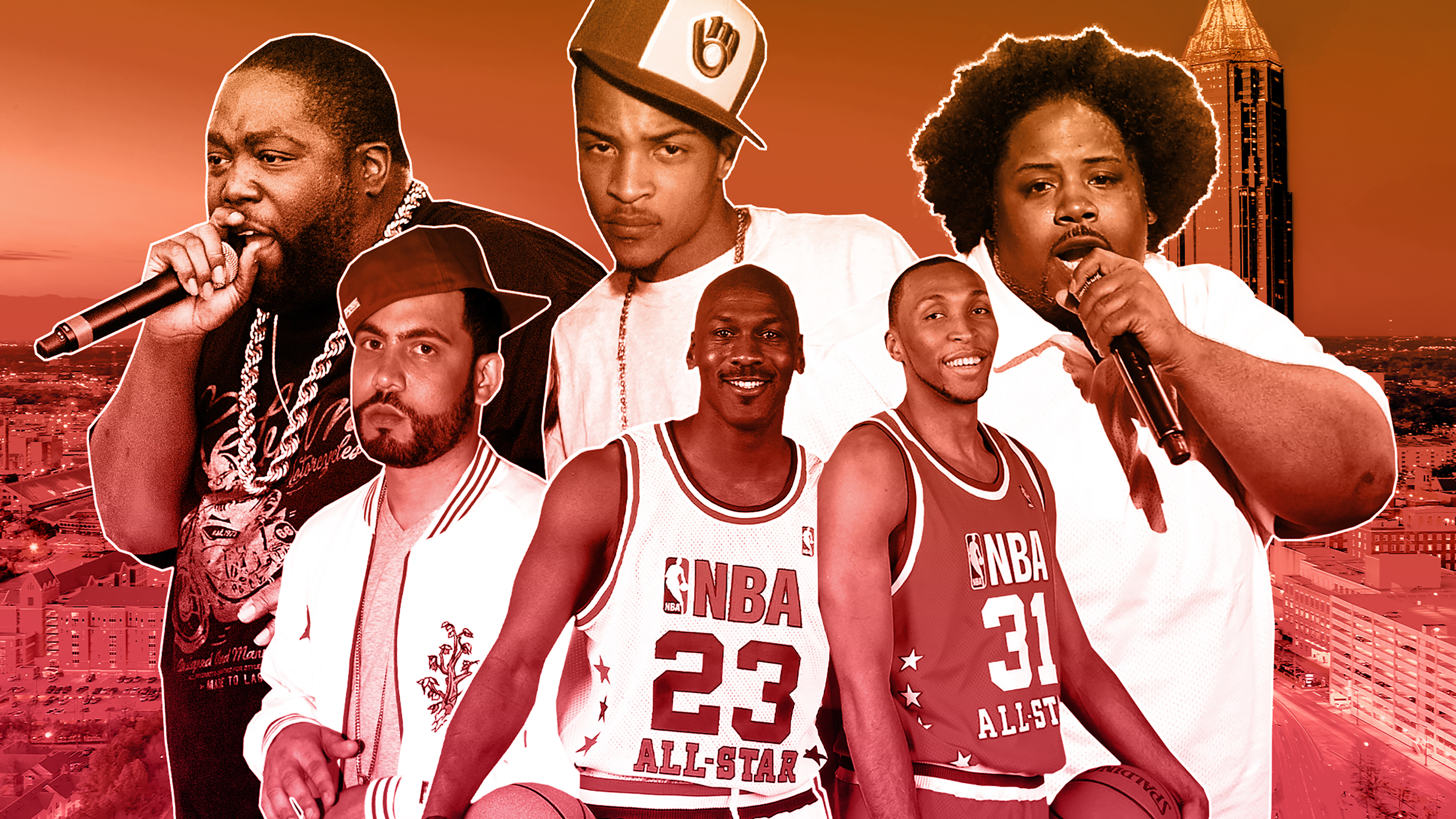
Basketball culture was born and has evolved on playgrounds across the country. In urban sanctuaries like Rucker Park in Harlem or the Cage in Greenwich Village, the game has developed independently of corporate conformity. The playground served as an engine of Black American expression, streetball aesthetics, and hip-hop culture.
It thrived and took on a life of its own because it was a democratic space whose ticket to entry required little more than a ball and a hoop. The basketball court has served as a vital community haven where style, improvisation, individual flair, and colorful trash-talk have been essential forms of self-assertion, swag, and mutual respect.
The WNBA, founded in 1997, has had an organic evolution. In its early years, the league faced corporate pressure to market its players through a traditional lens of hyper-femininity, forcing masculine-presenting players to don skirts and dresses. In recent years, that pressure has given way to an embrace of a variety of gender presentations and authentic personal style.
Today, the pre-game tunnel in the WNBA has become a premier cultural runway. Masculine-presenting players proudly wear tailored suits and ties, while feminine-presenting players showcase high-fashion looks. Both feminine- and masculine-presenting players often look like they could have easily been plucked off of a runway in Paris or Milan.
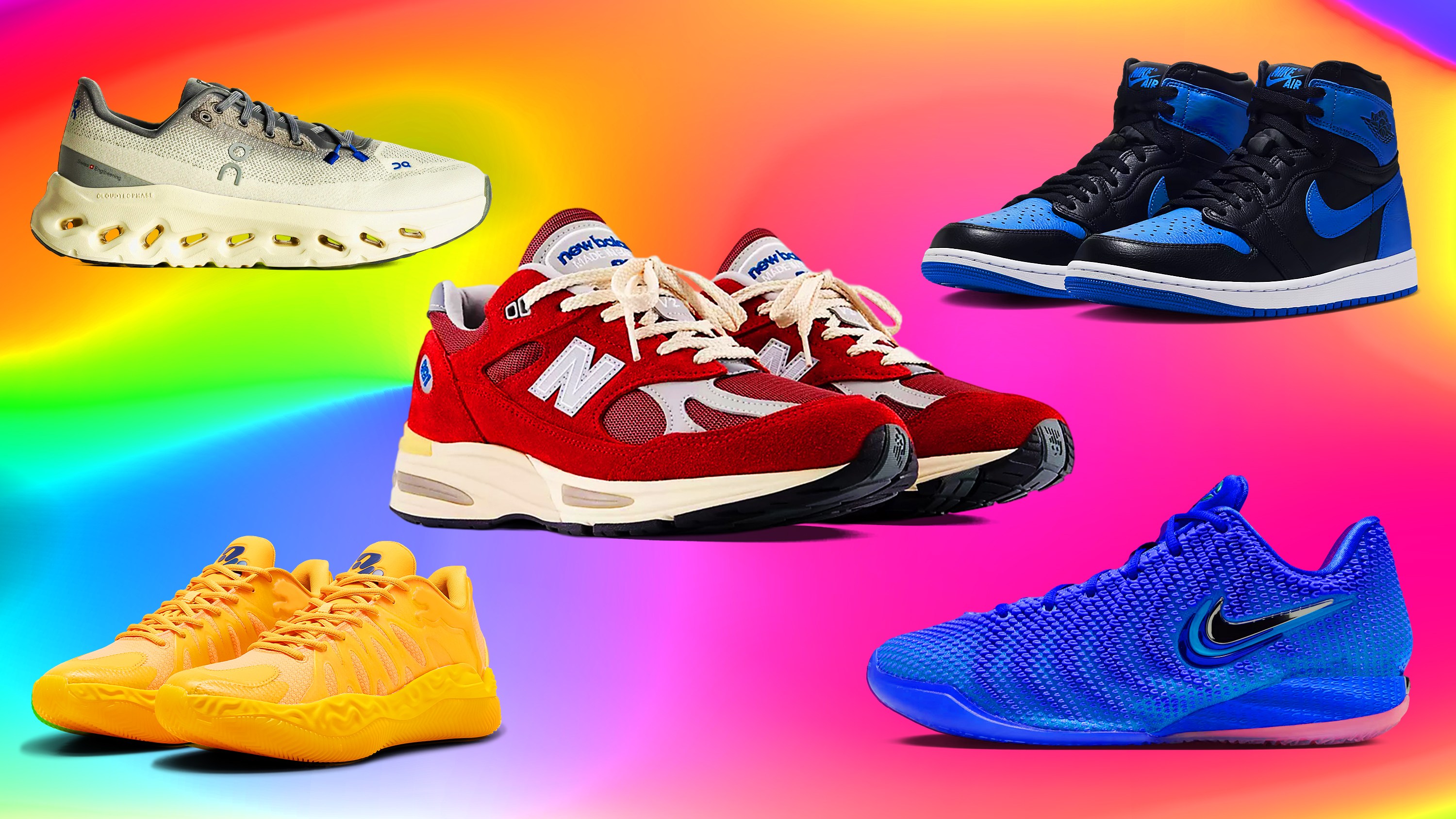
This cultural expression and range have translated into commercial power. Major brands have noticed, leading to signature sneaker deals and player exclusives for WNBA athletes, proof that identity continues to fuel basketball culture.
Long before the mainstream media labeled racism in the league as a culture war, WNBA players were at the forefront of civil rights campaigns. In the 2020 Covid pandemic bubble, players dedicated their season to social justice, wearing warm-up shirts for Black Lives Matter and shirts bearing the name of Breonna Taylor, an unarmed Black woman killed by police in Kentucky.
When Atlanta Dream co-owner and then-Senator Kelly Loeffler publicly attacked the players’ activism, players refused to back down. They campaigned for her political opponent, Dr. Raphael Warnock, donning warm-up shirts with his name, and ultimately forcing a sale of the franchise.
The corporate and political forces that watch sports have a history of capitalizing on this energy while attempting to strip or dull its radicalism. Nike built a multi-billion-dollar empire by commodifying this counter-culture, packaging urban grit and social justice into sneakers and high-production commercials. Corporate America loves the aesthetic of rebellion as long as it can be controlled, monetized, and digested by a mainstream audience.
When WNBA players stood up for social justice, critics accused them of being radical, anti-American, and suggested they leave their activism off the court, ignoring that these were issues the majority of Black players were facing outside of basketball. Commentators and media avoided the term “culture war” label then. The same precision must apply now.
Journalism exists to reflect reality and provide context. Euphemisms only protect the powerful. Blatant attempts to subjugate Black and queer women in the league require direct exposure, rather than the socially palatable veneer a phrase like “culture war” provides.
As the WNBA continues to grow, securing its legacy means stripping away the polite language of bigotry. The league must be brave enough to blatantly call out racism and homophobia and be uncompromising in its defense of the rights and humanity of all its players.
SEE ALSO:
White Establishment Using Ticket Sales To Distract From Mediocrity
Angel Reese Is The Basketball Phenom, Superstar We’ve Been Waiting For
What's Your Reaction?
 Like
0
 Dislike
0
 Love
0
 Funny
0
 Angry
0
 Sad
0
 Wow
0