






Bernice King reacts to VP JD Vance’s remarks on no longer needing to apologize for being white: ‘It’s time to stop’

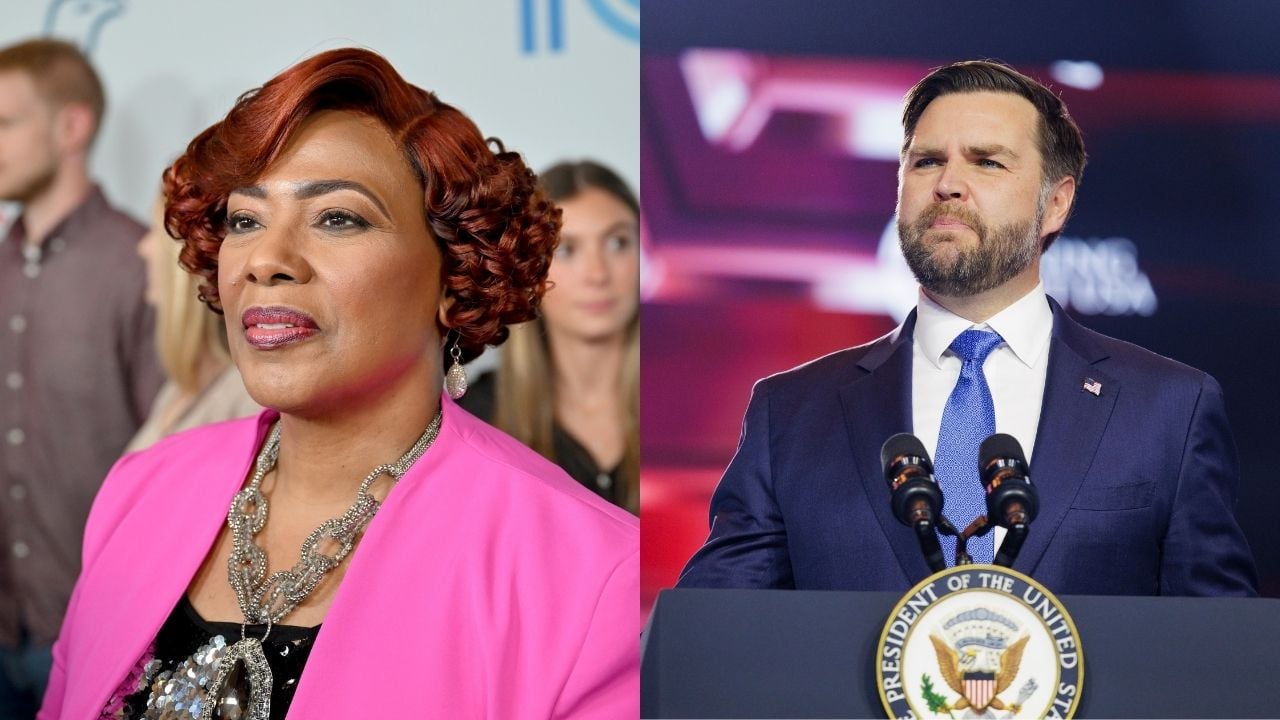
Bernice King reminds the world that whiteness has rarely needed an apology following Vice President JD Vance’s Turning Point USA appearance.
Bernice King is reminding the country that whiteness in America has never come with an apology.
Following recent remarks made by Vice President JD Vance at a Turning Point USA event, on Monday, Dec. 22, the 62-year-old daughter of the late Martin Luther King Jr. and Coretta Scott King shared a pointed response on Instagram.
“Help me with this,” King wrote. “In my 62 years, I don’t recall white people ever having to apologize for being white in America.”
She continued, “The courage to tell the truth about the advantages white people have had in this country is the real issue. It’s time to stop reframing accountability as injury and start reckoning honestly with history, power, and responsibility—so we can move toward repair, justice, and a shared future where dignity is not selective.”
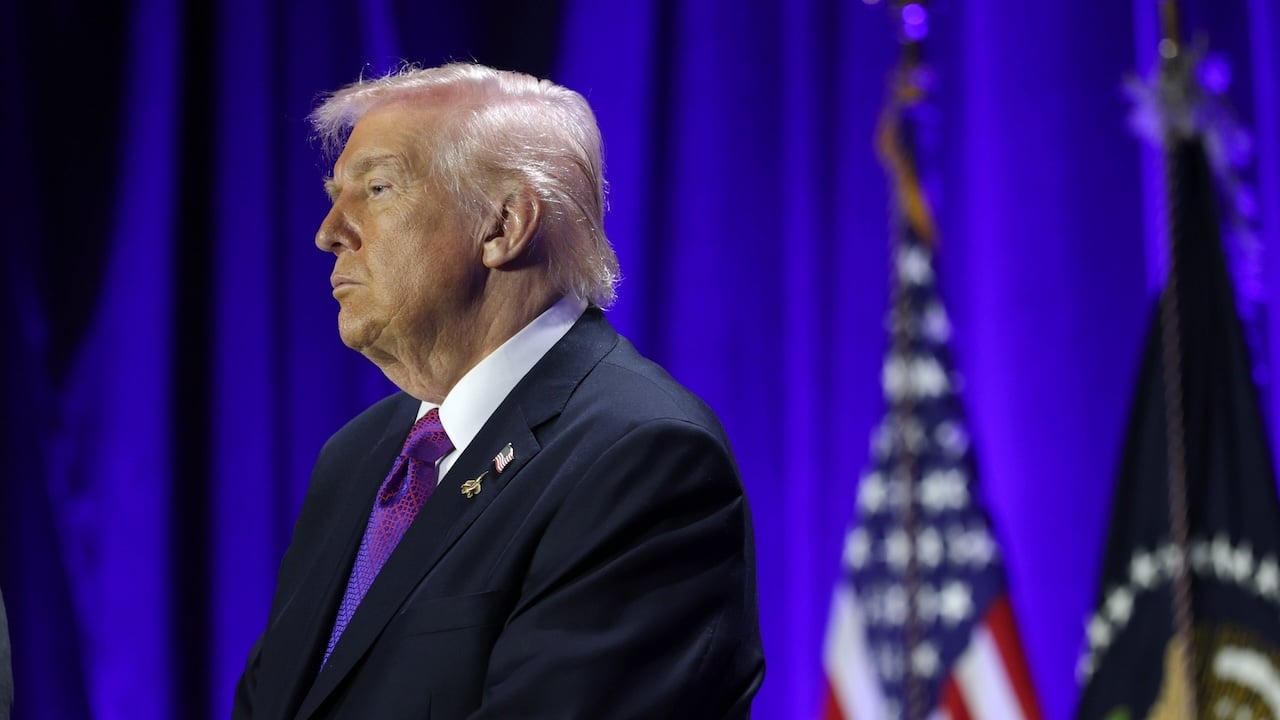
King’s comments came after Vance delivered closing remarks at Turning Point USA’s AmericaFest conference in Phoenix over the weekend, where he declared, “In the United States of America, you don’t have to apologize for being white anymore.”
During the speech, Vance also quoted Nicki Minaj, who made an appearance, praised Erika Kirk, the wife of slain conservative and Turning Point USA founder Charlie Kirk, and framed white Americans as unfairly burdened by calls for accountability.
Vance additionally asserted that the United States “always will be a Christian nation,” describing Christianity as the country’s enduring moral foundation.
From Minaj’s controversial appearance—where some critics say her remarks suggested Black pride, particularly among Black women and girls, has somehow become a threat to others’ self-esteem—to Vance’s rhetoric, the event has sparked a growing backlash. For many, both moments reflect a broader and troubling trend: a growing fixation on the discomfort of those confronted with racism, rather than the material harm experienced by those subjected to it.
Critics argue this framing flips the moral equation, casting accountability as persecution and positioning acknowledgment of historical inequity as a greater injury than racism itself—an idea King directly rejected in her response.
A day after her initial post, King returned to Instagram with a message grounded in resolve.
“Hope, for me, is a commitment, not a cliché,” she wrote. “I refuse to offer people shallow optimism dressed up as hope.”
What's Your Reaction?
 Like
0
Like
0
 Dislike
0
Dislike
0
 Love
0
Love
0
 Funny
0
Funny
0
 Angry
0
Angry
0
 Sad
0
Sad
0
 Wow
0
Wow
0