


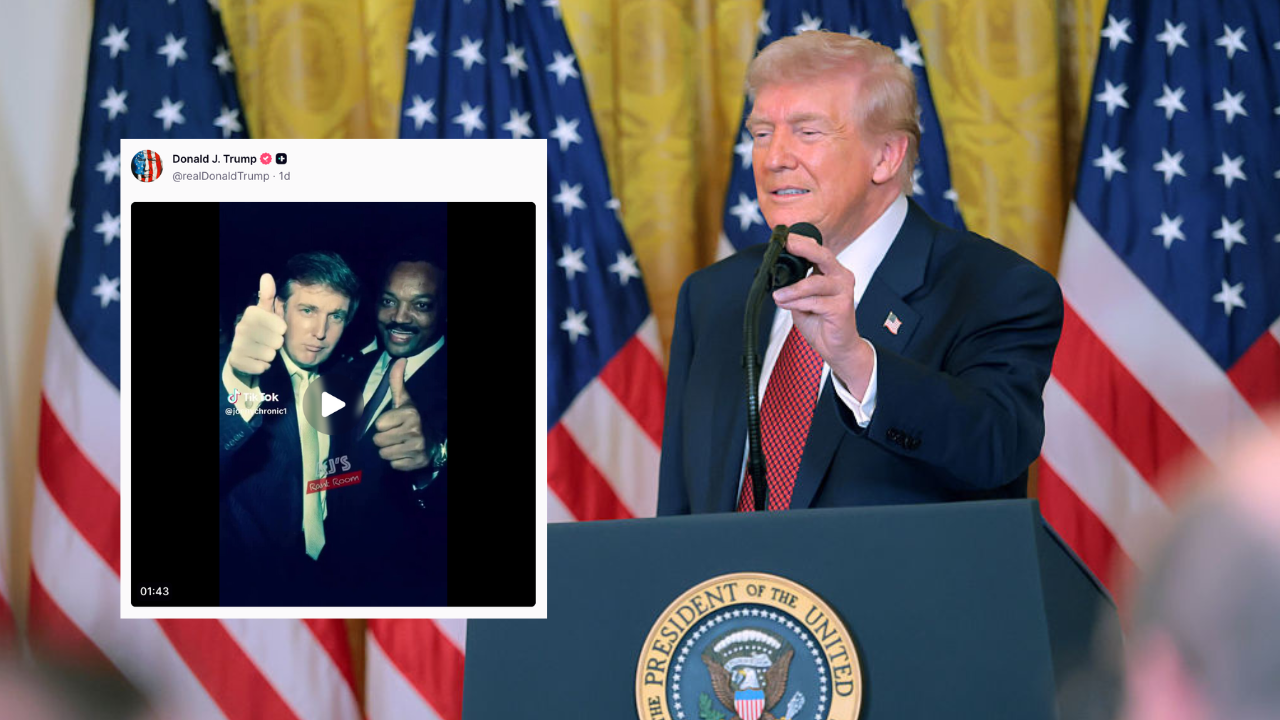




Are you getting a $2,000 tariff check? Trump hints it could be coming

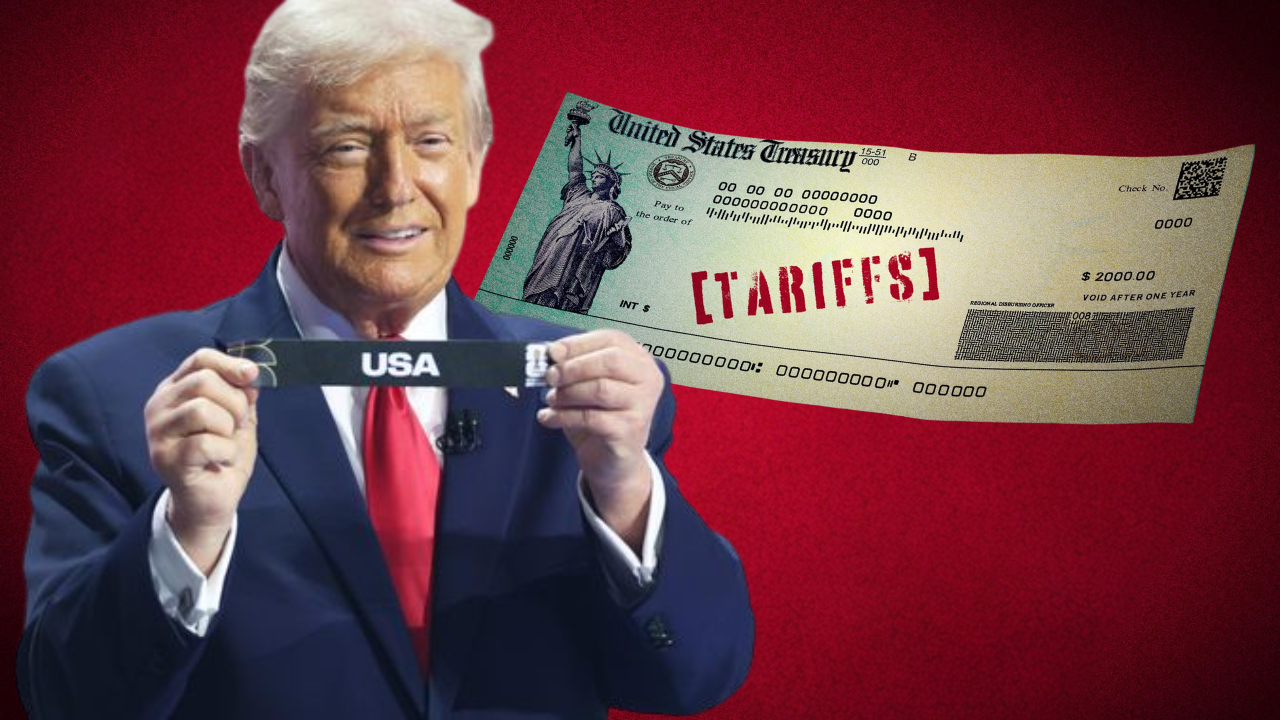
Trump discussed potential $2,000 tariff checks next year, but experts doubt they’ll happen.
If you’ve been wondering whether a $2,000 “tariff dividend” check might hit your mailbox next year, you’re not alone, and President Donald Trump isn’t backing off the idea. In fact, he’s doubling down, even as the numbers behind the promise get fuzzier by the week.
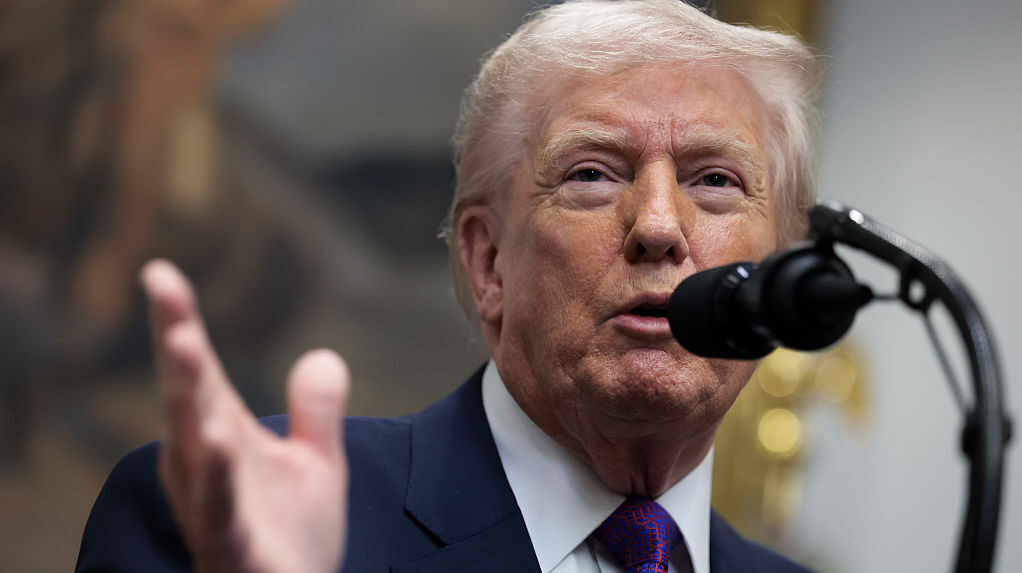
During a two-hour Cabinet meeting on Tuesday (Dec. 2), one that included Trump calling affordability concerns a “Democrat scam” and appearing to nod off briefly, the president once again pitched the notion of rebate checks tied to U.S. tariff revenue. “Next year is projected to be the largest tax refund season ever,” he said early in the meeting. “We’re going to be giving back refunds out of the tariffs… We’re going to be giving a nice dividend to the people in addition to reducing debt.”
The $2,000 check isn’t a new pledge. Trump has floated the idea since July, arguing that the tariffs he began imposing in March and April could fund both a “little rebate” for Americans and a major push to pay down national debt. Last month, he sharpened the pitch even further, saying checks would likely arrive “in the middle of next year,” worth “thousands of dollars” for moderate- and middle-income households.
But as the promise grows, the math behind it is shrinking.
Just weeks before Trump’s latest comments, the Congressional Budget Office revised its tariff projections downward from $3.3 trillion in expected revenue over the next decade to $2.5 trillion. That shortfall alone would add roughly $500 billion in debt interest, pushing the total value to the government to about $3 trillion.
And those are the optimistic numbers.
The nonpartisan Committee for a Responsible Federal Budget estimates the tariffs will bring in closer to $300 billion per year. Meanwhile, the group says that a single round of dividend checks could cost twice that, approximately $600 billion. Their stance is blunt: tariff revenue should shrink the deficit, not get passed back to taxpayers in cash.
The Tax Foundation, another nonpartisan nonprofit, echoes concerns about cost and feasibility. It projects Trump’s tariffs will raise $2.1 trillion over the next decade, but that total drops to $1.6 trillion once you account for foreign retaliation and broader economic fallout. The organization argues that instead of issuing checks, “a better way to provide relief would be to simply repeal the tariffs altogether.”
Even the legal foundation of the tariffs may be on shaky ground. On Nov. 5, Supreme Court justices openly questioned whether Trump has the authority to impose them in the first place. And should the tariffs remain intact, issuing any refunds would require legislation, Treasury Secretary Scott Bessent told Fox News’ “Sunday Morning Futures” on Nov. 16.
Still, Trump insists that Americans deserve something in return. During a Nov. 14 gaggle aboard Air Force One, he acknowledged tariffs “may in some cases” raise prices despite his earlier claims that other countries largely bear the costs. The Tax Foundation estimates the reality is hitting closer to home: about $1,100 per U.S. household in 2025 and $1,400 in 2026.
So, will you actually get a $2,000 tariff check?
At this point, the only thing more unpredictable than the revenue from tariffs is whether Trump’s idea will ever make it out of a Cabinet meeting and into law. But if the math doesn’t check out, or the courts don’t cooperate, the biggest refund season in history may stay a talking point, not a payout.
For now, the only check Americans can count on is the one the numbers keep writing— and it doesn’t match the president’s pitch.
What's Your Reaction?
 Like
0
Like
0
 Dislike
0
Dislike
0
 Love
0
Love
0
 Funny
0
Funny
0
 Angry
0
Angry
0
 Sad
0
Sad
0
 Wow
0
Wow
0